When buying a used vehicle, one of the most important factors is mileage. Lower mileage typically means less wear and tear—and a higher price. Unfortunately, some sellers manipulate this number through a practice known as odometer rollback.
Odometer fraud is illegal under federal and state law, yet it still happens more often than many consumers realize.
This guide explains how odometer rollback works, how to detect it, and what to do if you become a victim.
What Is Odometer Rollback?
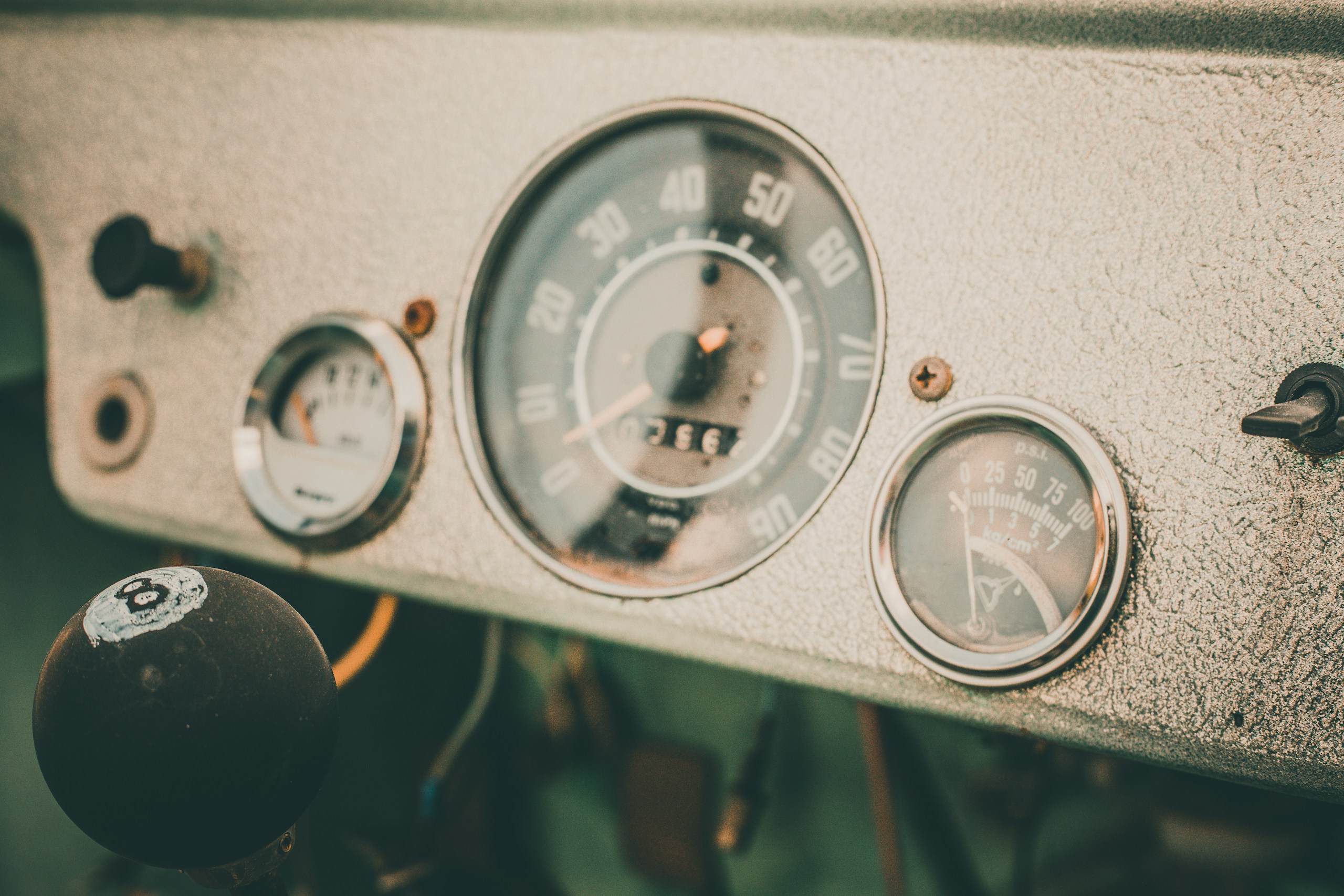
Odometer rollback occurs when someone alters a vehicle’s mileage reading to show fewer miles than it actually has.
This can be done to:
- Increase the value of the vehicle
- Make it easier to sell
- Hide excessive wear and tear
Is Odometer Rollback Illegal?
Yes. Odometer fraud is prohibited under federal law, specifically the Federal Odometer Act.
It is illegal to:
- Disconnect, reset, or alter an odometer
- Sell a vehicle with false mileage
- Provide false mileage disclosures
👉 Violations can result in significant civil and criminal penalties.
How Odometer Rollback Happens
Older Vehicles (Mechanical Odometers)
- Rolling back physical numbers manually
- Replacing the odometer unit
Newer Vehicles (Digital Odometers)
- Reprogramming the vehicle’s electronic system
- Using specialized tools to alter mileage data
👉 Digital odometers are not immune—modern fraud is often more sophisticated.
Why Odometer Fraud Is a Big Deal
Mileage affects:
- Vehicle value
- Maintenance schedules
- Safety and reliability
A rolled-back odometer can mean:
- Hidden mechanical problems
- Unexpected repair costs
- Overpaying for the vehicle
Common Signs of Odometer Rollback
1. Wear and Tear Doesn’t Match Mileage
If a car shows low mileage but has:
- Worn pedals
- Faded interior
- Loose steering
👉 It may have higher actual mileage.
2. Inconsistent Vehicle History Reports
Check services like Carfax or AutoCheck for:
- Mileage inconsistencies
- Gaps in records
- Sudden drops in mileage
3. Missing or Altered Service Records
Look for:
- Incomplete maintenance history
- Records that don’t align with mileage
4. Title Discrepancies
Titles should list mileage. Red flags include:
- “Not actual mileage”
- “Mileage exceeds mechanical limits”
5. Dashboard Tampering
Signs may include:
- Scratches around the instrument cluster
- Loose or misaligned panels
What Sellers Are Required to Disclose
When selling a vehicle, sellers must provide an odometer disclosure statement that:
- Lists the mileage
- Certifies its accuracy
Providing false information is illegal.
What to Do Before Buying a Used Car
1. Get a Vehicle History Report
Check for:
- Mileage consistency
- Title issues
- Prior ownership
2. Inspect the Vehicle Carefully
Look beyond the odometer and evaluate overall condition.
3. Request Maintenance Records
Consistent service records help verify mileage.
4. Get a Pre-Purchase Inspection
A mechanic can identify:
- Signs of excessive wear
- Inconsistencies with mileage
What If You Discover Odometer Fraud After Purchase?
If you suspect rollback after buying the vehicle, act quickly.
Step 1: Gather Evidence
Collect:
- Purchase documents
- Title and disclosures
- Vehicle history reports
- Photos of the vehicle
Step 2: Compare Records
Look for:
- Mileage discrepancies
- Conflicting documentation
Step 3: Get an Expert Inspection
A mechanic may confirm whether wear is consistent with reported mileage.
Step 4: Report the Fraud
You can report odometer fraud to:
- National Highway Traffic Safety Administration (NHTSA)
- State motor vehicle agencies
- State attorney general
Step 5: Contact a Consumer Protection Attorney
You may have a legal claim for:
- Odometer fraud
- Misrepresentation
- Consumer fraud
What Compensation Can You Recover?
Under federal law, victims of odometer fraud may recover:
- Three times (treble) actual damages, OR
- A statutory minimum (often $10,000 in many cases)
- Attorney’s fees and costs
👉 These cases can be very strong when fraud is proven.
Common Dealer Defenses
Sellers may claim:
- They didn’t know about the rollback
- The prior owner altered the mileage
- The discrepancy was a mistake
👉 However, dealers often have legal obligations to verify mileage.
Why Odometer Fraud Cases Are Serious
Courts take odometer fraud seriously because:
- It is intentional deception
- It impacts safety and value
- It undermines consumer trust
Final Thoughts
Odometer rollback is a serious form of fraud that can cost consumers thousands of dollars. The key is knowing what to look for—and acting quickly if something seems wrong.
If you suspect odometer fraud, you may have strong legal rights and the ability to recover significant damages.
Speaking with an experienced consumer protection attorney can help you determine your options and hold the responsible parties accountable.