One of the most important — and increasingly litigated — issues in FDCPA law right now is this:
👉 When does a repossession become illegal under the FDCPA?
More specifically:
👉 What does it mean for a company to lack a “present right to possession”?
This issue is front and center in recent federal appellate decisions, and it’s becoming a major battleground in consumer litigation—especially in auto finance cases.
From a plaintiff-side perspective, this is one of the most powerful — and underutilized — provisions in the entire statute.
⚖️ The Statute: FDCPA § 1692f(6)
Most FDCPA claims focus on:
- Misrepresentations (1692e)
- Harassment (1692d)
But repossession cases often live under a different section:
👉 15 U.S.C. § 1692f(6)
This provision prohibits:
- Taking or threatening nonjudicial action
- To dispossess property
- If there is no present right to possession
This is critical.
Unlike other FDCPA provisions, this section directly targets repossession conduct itself.
🧠 What Is a “Present Right to Possession”?
At a basic level, a creditor or repossession company must have the legal right—at that exact moment—to take the property.
Not:
- A future right
- A conditional right
- A disputed right
👉 A present, enforceable right.
This sounds straightforward.
In reality, it is one of the most contested and fact-intensive issues in consumer law.
🚗 Why This Matters So Much in Auto Cases
In the real world, repossessions often happen fast:
- Late payment
- Account flagged
- Repo order issued
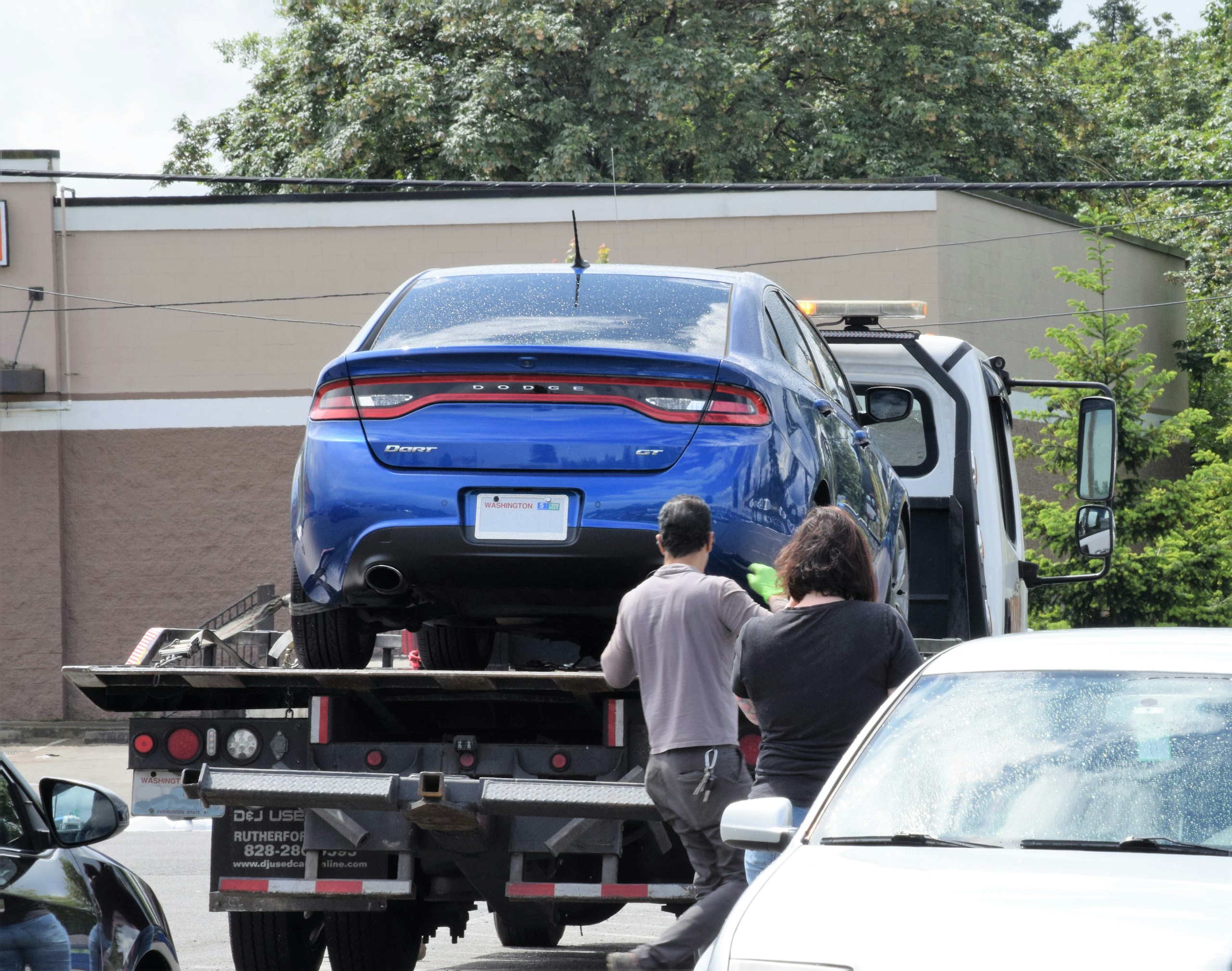
- Vehicle taken
From the consumer’s perspective, it can feel automatic.
But legally, it’s not.
👉 A repossession is only lawful if ALL conditions for possession are satisfied at the time it occurs.
If not, that repossession may violate the FDCPA.
⚠️ Common Situations Where the “Right to Possession” Is Questionable
From a plaintiff standpoint, some of the strongest cases arise when the repossession occurs under questionable circumstances.
Here are some common scenarios:
1. Payments Were Made (But Not Properly Credited)
- Consumer makes a payment
- Servicer misapplies or delays posting
- Account is treated as delinquent
- Repo order is issued anyway
If the borrower was not actually in default, there may be no present right to possession.
2. Disputes Were Pending
- Consumer disputes the debt
- Requests validation or documentation
- Issues remain unresolved
- Repo proceeds anyway
In some cases, unresolved disputes can undermine the right to repossess—especially if the creditor’s entitlement is unclear.
3. Contractual Requirements Were Not Met
Repossession rights are governed by contracts.
If the agreement requires:
- Notice
- Opportunity to cure
- Specific timing
And those conditions were not satisfied:
👉 The right to possession may not exist yet.
4. Bankruptcy or Legal Protections Apply
- Automatic stay in bankruptcy
- Court orders
- State law protections
If a repossession occurs in violation of these protections, the “present right” is clearly absent.
5. Wrong Party or Wrong Vehicle
- Identity errors
- Mixed accounts
- Mistaken assignments
These cases are more common than many assume—and can create strong FDCPA claims.
🛡️ The Defense Argument
Defendants in these cases often argue:
- “The borrower was in default”
- “We had the right to repossess”
- “This was routine enforcement of a security interest”
And sometimes, courts accept that argument—especially when the record is unclear.
This is why plaintiff-side development of facts is critical.
🔍 The Plaintiff’s Burden: Proving Lack of Right
To succeed under § 1692f(6), plaintiffs must show:
👉 At the time of repossession, the defendant did not have a present right to possession
This requires:
- Evidence of payment history
- Contract terms
- Timing of communications
- Internal servicing errors
- Legal constraints
It is not enough to say:
“I shouldn’t have been repossessed.”
You must show:
“They did not have the legal right to take the vehicle when they did.”
💡 Timing Is Everything
One of the most important aspects of these cases is timing.
A creditor may eventually have the right to repossess.
But if they act too early, that matters.
Example:
- Payment due on the 1st
- Grace period until the 10th
- Repo occurs on the 5th
Even if default is coming, there may be no present right on the 5th.
That timing issue alone can create liability.
⚖️ The Role of Repossession Companies
Another important point:
👉 Repossession agents themselves can be liable under § 1692f(6)
Even if they are not traditional “debt collectors,” this section applies specifically to those enforcing security interests.
This is significant because:
- Repo companies often act quickly
- They rely on instructions from lenders
- They may not independently verify the right to repossess
But under the FDCPA, that lack of verification can create exposure.
🚨 The Real-World Impact on Consumers
Repossession is not just a financial event.
It can cause:
- Loss of transportation
- Job disruption
- Emotional distress
- Additional fees and costs
And when it happens wrongfully, the impact is even greater.
That’s why § 1692f(6) exists—to prevent improper, premature, or unlawful seizures of property.
🧩 Strategic Considerations for Plaintiff Attorneys
These cases are powerful—but they require precision.
Key strategies include:
1. Focus on the Timeline
Build a clear, detailed sequence:
- When payments were made
- When notices were sent
- When default occurred (if at all)
- When repossession happened
Small timing gaps can be decisive.
2. Analyze the Contract Carefully
The loan agreement controls:
- Default definitions
- Cure rights
- Notice requirements
If the contract wasn’t followed, the right to possession may not exist.
3. Look for Servicing Errors
Servicing mistakes are common:
- Misapplied payments
- Incorrect balances
- Communication breakdowns
These errors can undermine the entire repossession.
4. Don’t Overlook the Repo Agent
Ask:
- Who actually took the vehicle?
- What did they know?
- What were they told?
Liability may extend beyond the lender.
⚠️ The Danger of Oversimplifying These Claims
Not every repossession is wrongful.
And not every wrongful repossession is an FDCPA violation.
To succeed, the claim must be grounded in:
- The statute
- The facts
- The timing
- The contractual framework
Oversimplification can lead to dismissal.
Precision leads to leverage.
📈 The Emerging Trend
Recent cases show courts are paying closer attention to:
- Whether a present right truly existed
- Whether repossession actions were premature
- Whether defendants relied on assumptions rather than facts
This is creating opportunities for strong, well-developed plaintiff claims.
🧑⚖️ Practical Takeaways for Consumers
If your vehicle was repossessed, ask:
- Were you actually in default at that time?
- Did you make recent payments?
- Did you receive required notices?
- Were there any disputes pending?
The answers may determine whether your rights were violated.
🧠 Practical Takeaways for Attorneys
For plaintiff-side practitioners:
- Treat § 1692f(6) as a primary claim—not an afterthought
- Build the case around timing and entitlement
- Anticipate defenses based on default
- Develop evidence early
These cases are fact-driven—and highly winnable when properly developed.
🚨 Final Thought
The most important takeaway from recent FDCPA repossession cases is this:
👉 Repossession is not automatically lawful just because a payment was missed.
The law requires more.
It requires a present right to possession—at that exact moment.
And when that right is missing:
👉 The repossession may not just be unfair
👉 It may be illegal under federal law
In today’s litigation landscape, that distinction is becoming one of the most powerful tools available to consumer advocates.
Because sometimes, what looks like routine repossession is actually something else:
👉 An unlawful seizure of property.
#FDCPA #Repossession #ConsumerRights #AutoFinance #DebtCollection #ConsumerLaw #PlaintiffLaw