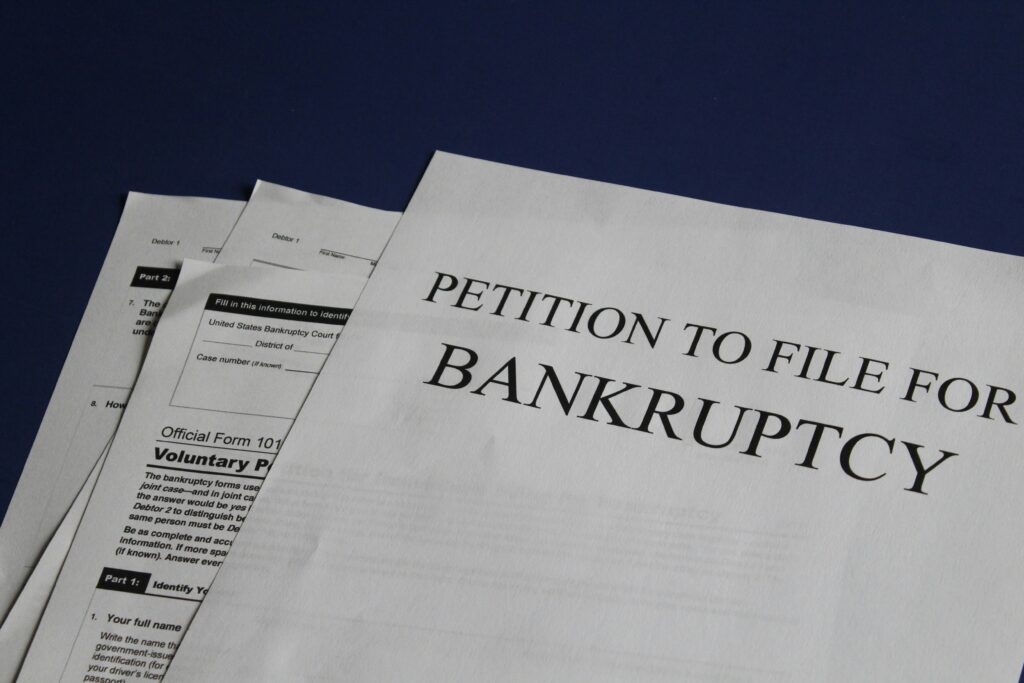
When individuals file for Chapter 13 bankruptcy in the Eastern District of Pennsylvania—particularly in the Philadelphia Division—one name consistently appears at the center of the process: Kenneth E. West, Standing Chapter 13 Trustee.
For debtors, creditors, and attorneys alike, Trustee West’s office plays a critical and often misunderstood role. While many view bankruptcy as a court-driven process, the reality is that Chapter 13 cases are largely administered through the trustee’s office. Understanding who Trustee West is and how his office operates can make a meaningful difference in how cases are prepared, evaluated, and ultimately succeed or fail.
This article breaks down the role of Kenneth E. West, the function of a Chapter 13 trustee, and what practitioners and consumers should know when navigating a Chapter 13 case in the Eastern District of Pennsylvania.
What Is a Chapter 13 Trustee?
Before diving into Trustee West’s specific role, it is important to understand the broader function of a Chapter 13 trustee.
A Chapter 13 trustee is not a judge and does not represent either the debtor or creditors. Instead, the trustee serves as a neutral fiduciary appointed by the U.S. Trustee’s Office to administer Chapter 13 cases.
The trustee’s responsibilities include:
- Reviewing proposed repayment plans
- Conducting the §341 Meeting of Creditors
- Evaluating debtor income, expenses, and financial disclosures
- Objecting to plans that do not comply with the Bankruptcy Code
- Collecting plan payments from debtors
- Distributing funds to creditors
- Monitoring ongoing compliance throughout the case
In short, the trustee is the gatekeeper of feasibility and compliance in a Chapter 13 case.
Kenneth E. West’s Role in PAEB
Kenneth E. West serves as the Standing Chapter 13 Trustee for the Philadelphia Division of the U.S. Bankruptcy Court for the Eastern District of Pennsylvania (PAEB).
Unlike Chapter 7 trustees—who are assigned on a rotating panel—Chapter 13 trustees are standing trustees, meaning one trustee (or a small number) is assigned to all Chapter 13 cases within a geographic division.
For PAEB:
- Philadelphia Division → Kenneth E. West
- Reading Division → Scott F. Waterman
This means that virtually every Chapter 13 case filed in Philadelphia and surrounding counties will be administered through Trustee West’s office.
The Trustee as the Central Administrator
One of the most important things to understand is that the Chapter 13 trustee is not a passive participant. Trustee West’s office is deeply involved in nearly every stage of the case.
1. Plan Review and Confirmation
After a debtor files a Chapter 13 petition, they must submit a repayment plan outlining how they intend to pay creditors over a three- to five-year period.
Trustee West’s office reviews this plan carefully to determine:
- Whether the debtor is committing all required disposable income
- Whether secured and priority debts are properly treated
- Whether the plan is feasible based on income and expenses
- Whether the plan complies with applicable bankruptcy law
If issues arise, the trustee will file objections or request modifications. In many cases, confirmation depends on resolving concerns raised by the trustee rather than disputes with creditors.
2. The §341 Meeting of Creditors
The trustee conducts the Meeting of Creditors (also known as the 341 Meeting)—a required step in every bankruptcy case.
During this meeting, Trustee West (or a representative from his office) will:
- Place the debtor under oath
- Ask questions about income, assets, and liabilities
- Clarify any discrepancies in the filings
- Ensure the debtor understands their obligations under Chapter 13
While creditors are invited to attend, in practice, the trustee’s questioning often drives the substance of the meeting.
3. Payment Collection and Distribution
Once a plan is confirmed, the trustee becomes the financial administrator of the case.
Debtors make monthly payments to Trustee West’s office, which then:
- Tracks payments and compliance
- Allocates funds according to the confirmed plan
- Distributes payments to creditors
This centralized system ensures consistency and transparency but also means that any missed payments or issues are immediately visible to the trustee.
4. Ongoing Oversight
A Chapter 13 case can last up to five years, and Trustee West’s involvement does not end at confirmation.
The trustee continues to monitor:
- Payment consistency
- Changes in income or employment
- Modifications to the plan
- Requests for hardship discharge or dismissal
If a debtor falls behind or fails to comply with requirements, the trustee may file motions to dismiss the case.
Why Trustee West’s Office Matters Strategically
For bankruptcy practitioners, understanding the expectations and practices of Trustee West’s office is not just helpful—it is essential.
Consistency Across Cases
Because Trustee West handles all Chapter 13 cases in the Philadelphia Division, his office develops consistent approaches to:
- Income analysis
- Expense allowances
- Plan feasibility
- Treatment of certain claims
This consistency allows experienced attorneys to anticipate issues and structure plans accordingly.
Trustee-Driven Outcomes
In many Chapter 13 cases, the primary negotiation is not between debtor and creditor—but between debtor’s counsel and the trustee.
For example:
- A plan may be technically confirmable but still draw scrutiny from the trustee
- Adjustments to income or expenses may be required to satisfy trustee concerns
- Certain plan provisions may be accepted or rejected based on trustee interpretation
As a result, success often depends on aligning the plan with the trustee’s expectations from the outset.
The Importance of Documentation
Trustee West’s office places significant emphasis on documentation and verification.
Debtors should expect to provide:
- Pay stubs and proof of income
- Tax returns
- Bank statements
- Proof of expenses where applicable
Incomplete or inconsistent documentation can delay confirmation or lead to objections.
What Debtors Should Know
For individuals filing Chapter 13 in the Philadelphia area, Trustee West is a key figure in the process—even if they never interact with him directly.
The Trustee Is Not “Against” You
One common misconception is that the trustee is an adversary. In reality, the trustee’s role is to ensure fairness and compliance—not to oppose the debtor.
A well-prepared, feasible plan that follows the rules is generally supported by the trustee.
Honesty and Accuracy Are Critical
Because the trustee reviews financial disclosures in detail, accuracy is essential.
Errors or omissions—whether intentional or not—can lead to:
- Delays in confirmation
- Requests for additional documentation
- Potential dismissal of the case
Communication Matters
If circumstances change during the case (job loss, medical issues, income changes), it is important to work through counsel to address those changes proactively.
Trustee West’s office regularly handles plan modifications, but waiting too long to address issues can complicate matters.
What Creditors Should Know
Creditors also interact with Trustee West’s office throughout the life of a Chapter 13 case.
Centralized Payments
Instead of receiving payments directly from the debtor, creditors receive distributions through the trustee.
This provides:
- Predictability
- Structured repayment
- Oversight of compliance
Plan Review Opportunities
Creditors have the opportunity to:
- Review proposed plans
- File objections if treatment is improper
- Monitor distributions over time
However, in many cases, the trustee’s review serves as the primary safeguard for proper treatment.
The Bigger Picture: Trustee West’s Role in the System
At a broader level, Trustee West’s office serves as a stabilizing force in the bankruptcy system.
By ensuring that:
- Debtors propose realistic plans
- Creditors receive appropriate distributions
- Cases remain compliant over time
the trustee helps maintain confidence in the Chapter 13 process.
Without this oversight, the system would be far more prone to inconsistency, abuse, and inefficiency.
Final Thoughts
Kenneth E. West’s role as Standing Chapter 13 Trustee in the Eastern District of Pennsylvania is central to the administration of consumer bankruptcy cases in the Philadelphia region.
While judges ultimately confirm plans and issue rulings, the trustee’s office is where much of the real work happens—reviewing, analyzing, questioning, and administering each case from start to finish.
For attorneys, understanding how Trustee West evaluates cases can be the difference between a smooth confirmation process and prolonged delays.
For debtors, recognizing the trustee’s role can help demystify the process and set realistic expectations.
And for creditors, the trustee provides structure and oversight that ensures fairness in repayment.
In every Chapter 13 case filed in the Philadelphia Division, Trustee West is not just a participant—he is a central figure guiding the process toward compliance, feasibility, and resolution.
More Info: CLICK HERE