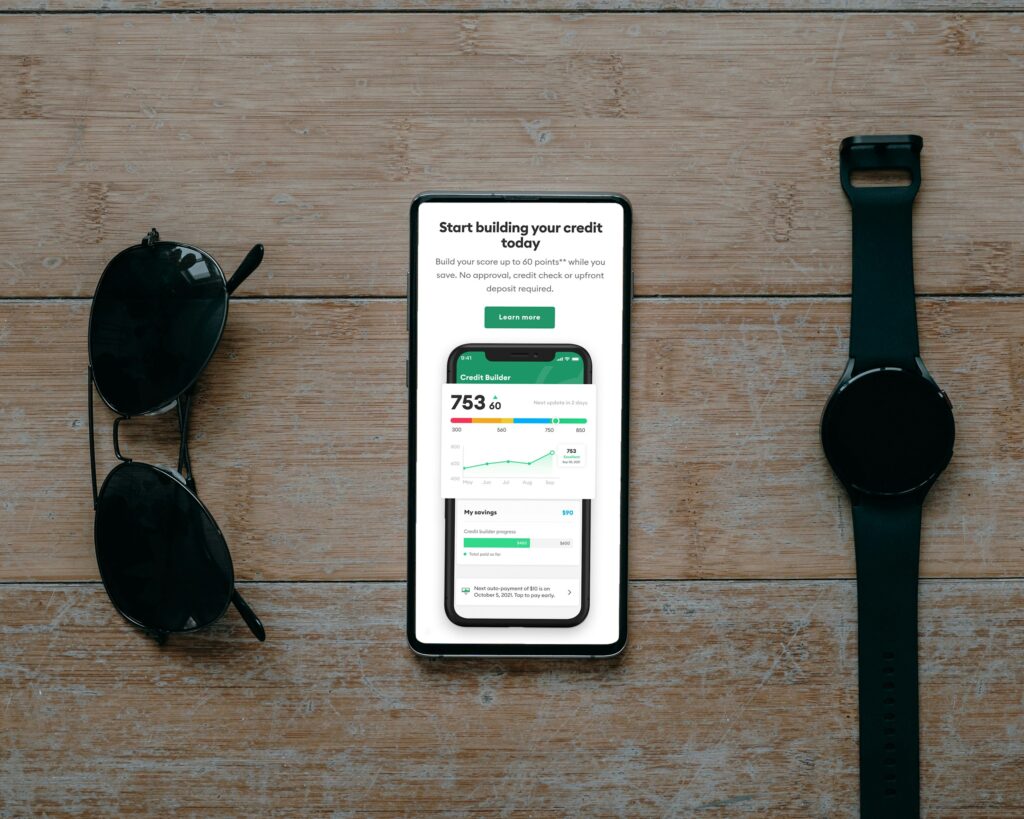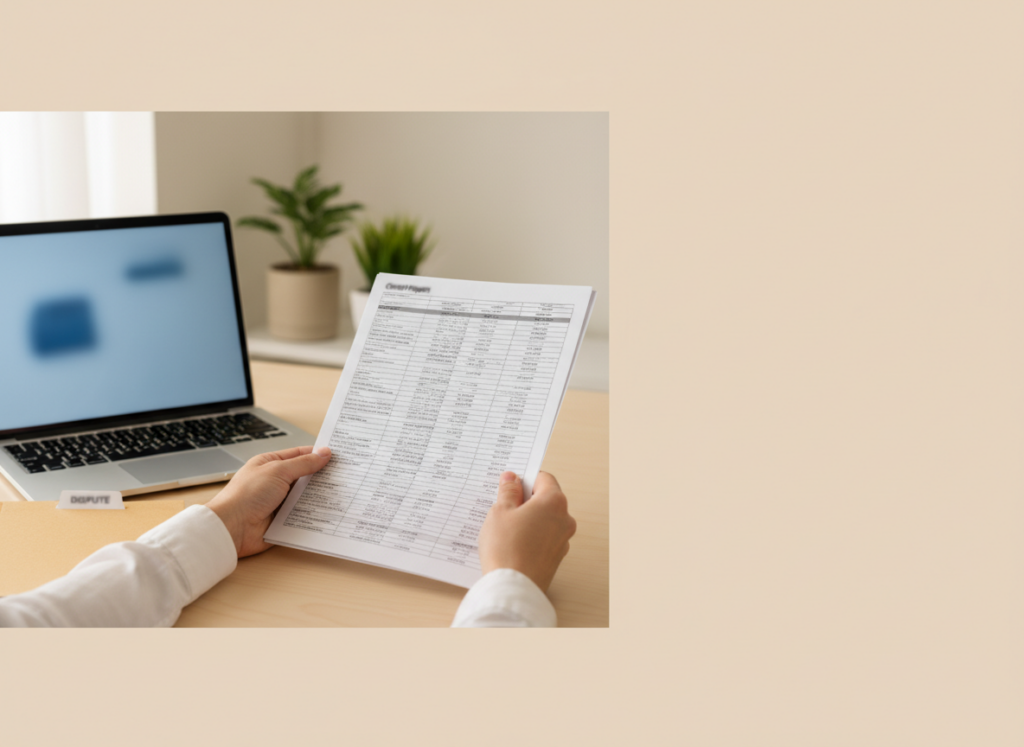
Your credit report is used for everything from getting a loan to renting an apartment. Errors on your report can cost you money, stress, and opportunities. Here’s how to spot mistakes, fix them, and keep your credit healthy.
Why Credit Report Accuracy Matters
Lenders, landlords, and even employers may check your credit. Inaccurate information can lead to denied loans, higher interest rates, or missed job opportunities.
Most Common Credit Report Errors
- Accounts that don’t belong to you
- Incorrect balances or payment histories
- Outdated personal information
- Duplicate accounts
- Paid debts still showing as unpaid
Checklist: Review and Dispute Errors
- Request your free credit reports from all three bureaus (Experian, Equifax, TransUnion)
- Check every section for mistakes
- Gather supporting documents (statements, letters, payment confirmations)
- File disputes online or by mail with each bureau
- Follow up regularly until errors are corrected
What to Document
- Copies of your credit reports
- All correspondence with credit bureaus and creditors
- Proof of payments or account closures
- Notes on phone calls (date, time, who you spoke to)
Protecting Your Credit Going Forward
- Set up credit monitoring or alerts
- Pay bills on time
- Limit new credit applications
If you find errors you can’t resolve, legal help is available. Ginsburg Law Group has extensive experience with credit reporting issues. Contact us for guidance on protecting your financial future.
Failed to load image
3. Robocalls and Text Spam: Know Your Rights Under the TCPA
Unwanted robocalls and text messages aren’t just annoying—they may be illegal. The Telephone Consumer Protection Act (TCPA) gives you rights and tools to fight back. Here’s what you need to know.
What Is the TCPA?
The TCPA is a federal law that restricts telemarketing calls, robocalls, and unsolicited texts. Companies must get your permission before contacting you with automated systems.
Signs a Call or Text May Violate the TCPA
- Calls or texts from unknown numbers at odd hours
- Recorded or automated messages
- No option to opt out or stop the messages
- Calls/texts to numbers listed on the Do Not Call Registry
Checklist: Documenting TCPA Violations
- Save call logs and screenshots of text messages
- Note the date, time, and caller/sender info
- Record the content of the call/text
- Register your number on the National Do Not Call Registry
What to Do If You’re Harassed by Robocalls
- Tell the caller to stop and document your request
- Report violations to the FCC and FTC
- Consult a consumer protection attorney
You don’t have to put up with illegal robocalls. Ginsburg Law Group helps consumers assert their rights and stop unwanted contact. Reach out if you’re overwhelmed by spam calls or texts.