(“Wait… you mean I have to list my chickens?”)
Yes. Yes you do.
If there’s one moment that perfectly captures the reality of filing bankruptcy, it’s this: sitting across from your attorney, confidently listing your house, your car, your bank account… and then getting asked:
“Do you own any livestock?”
Cue the pause.
“Uh… we have three chickens in the backyard?”
Congratulations—you’ve just entered the world of the bankruptcy assets list, where everything counts. And I mean everything.
This post is your entertaining (but very real) guide to what to disclose in bankruptcy, including the weird, the overlooked, and the “there’s no way this matters” items that absolutely do.
The Bankruptcy Reality Check: If It Has Value, It Goes on the List
Bankruptcy law does not care if something feels important. It cares if it has value.
That’s it. That’s the rule.
Your bankruptcy assets list must include anything of value you own or have a legal interest in, including:
- Physical items (cars, furniture, yes—chickens)
- Financial accounts
- Business interests
- Digital property
- Future rights (lawsuits, inheritances)
Think of it less like filling out a form and more like doing a full inventory of your life.
Or, as one client once put it:
“So this is like when my mom made me clean my room as a kid—except now it’s legally required?”
Exactly.
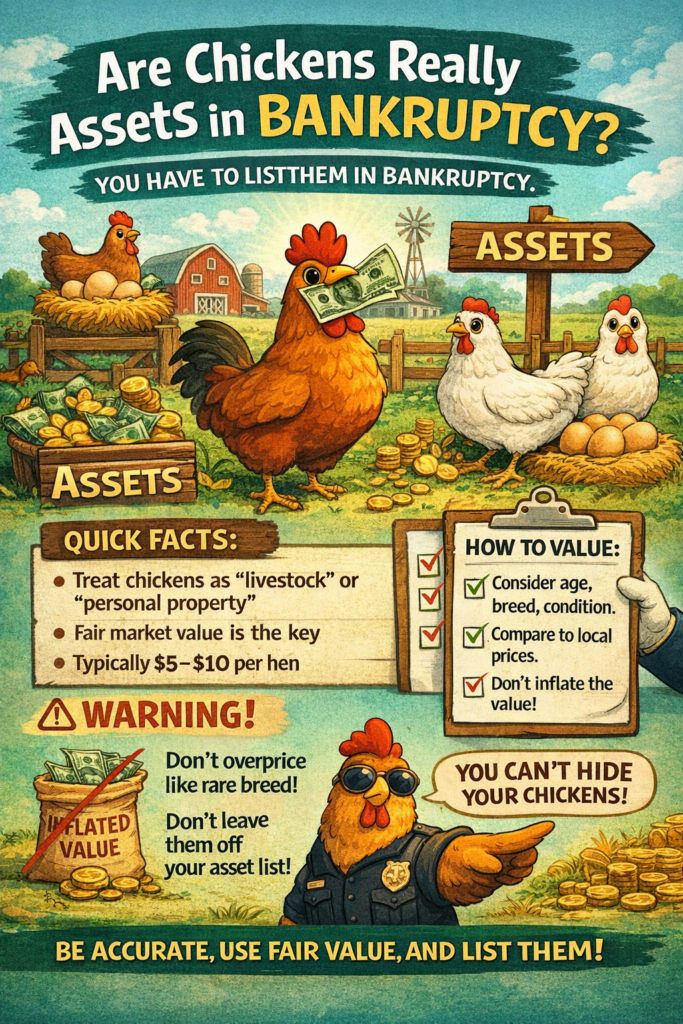
Let’s Talk About the Chickens
Backyard chickens are having a moment. Eggs are expensive, people want sustainability, and frankly, chickens have a certain chaotic charm.
But in bankruptcy?
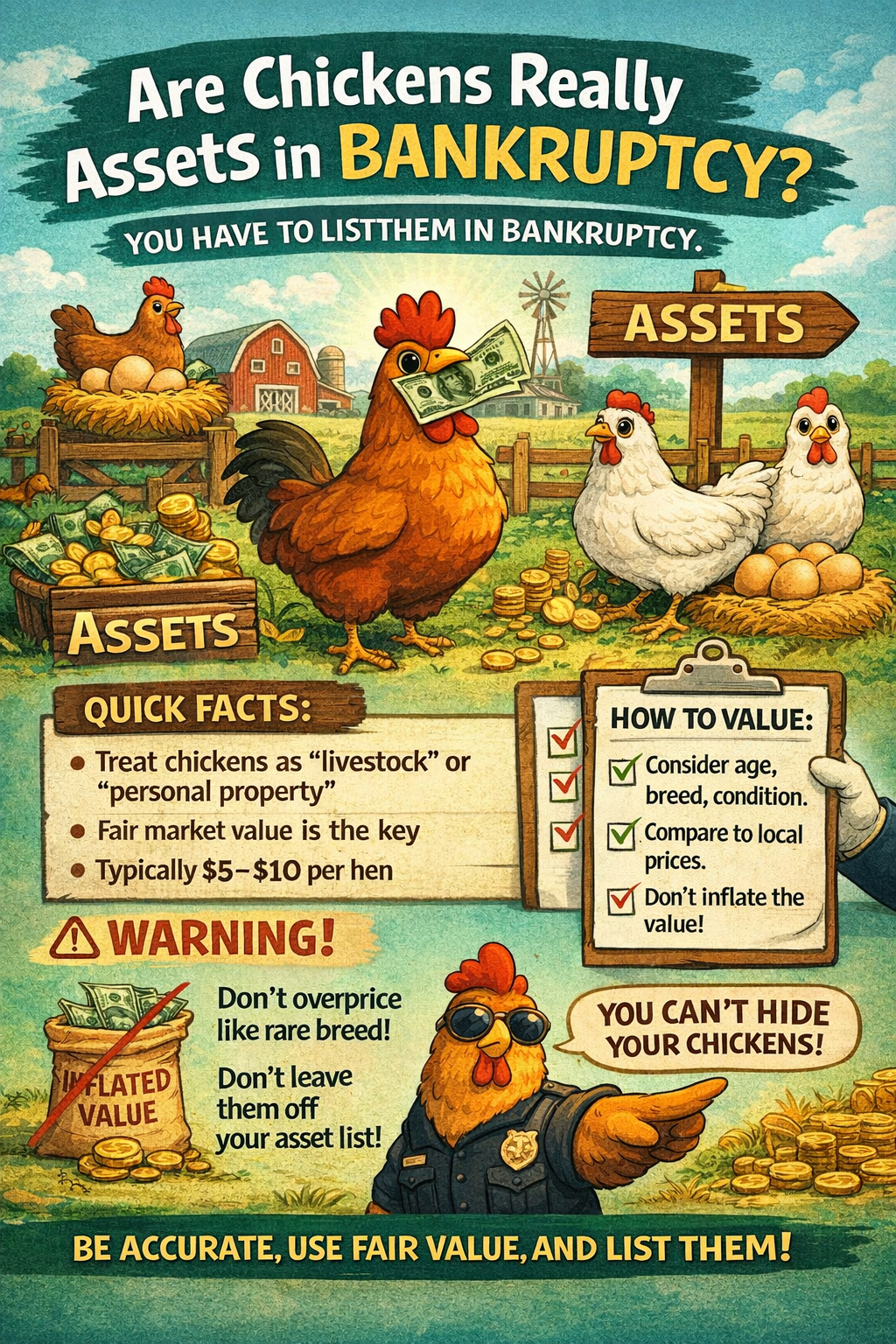
They are not quirky pets. They are livestock.
And livestock = value.
Whether it’s egg production, resale, or breeding potential, chickens belong on your bankruptcy assets list.
One client once tried to argue their chickens were “more emotional support than financial asset.”
Nice try.
The law disagrees.
Real Talk: Why Disclosure Matters
If you take nothing else away from this post, remember this:
You don’t decide what matters. The court does.
Failing to disclose assets—even accidentally—can lead to:
- Denial of your discharge
- Case dismissal
- Allegations of fraud
- A very uncomfortable conversation with a bankruptcy trustee
And trustees? They’ve seen it all.
You are not the first person to forget about a PayPal account, a side hustle, or yes… chickens.
The Most Surprisingly Common (and Weird) Bankruptcy Assets
Here’s where things get fun—and where most people realize their bankruptcy assets list is missing more than they thought.
1. Pets (Yes, Even Fluffy)
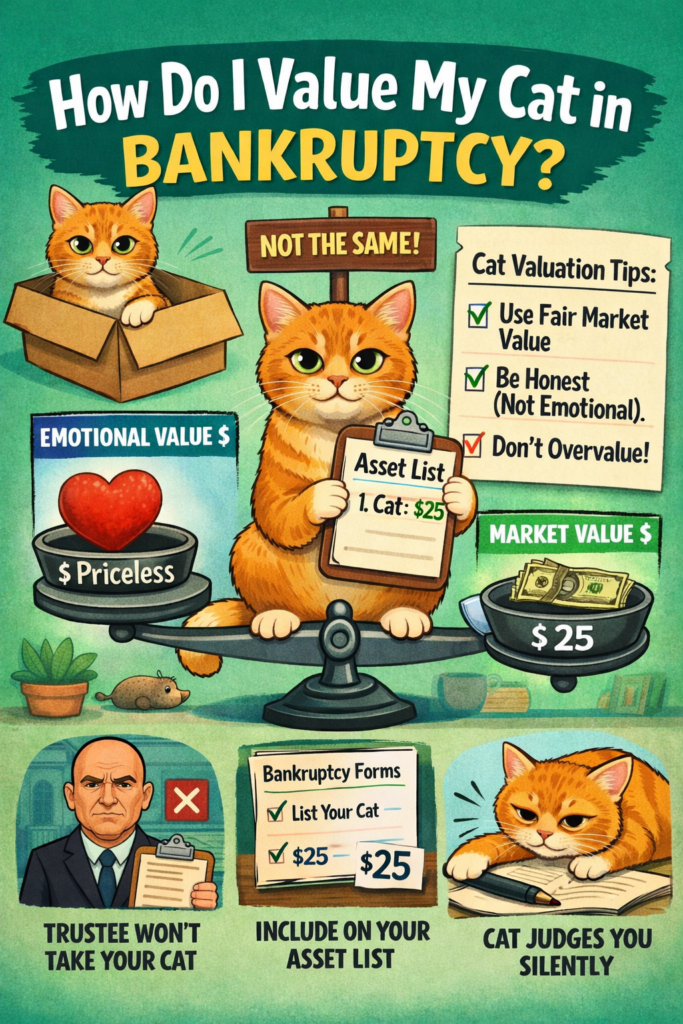
Legally speaking, pets are property.
Emotionally speaking, they are family.
Bankruptcy law sides with the former—but in practice, most household pets aren’t taken because they have minimal resale value.
Still, they must be disclosed.
(And no, your goldendoodle does not need to be valued at $5,000 just because you love him.)
2. Cryptocurrency (Yes, They Will Find It)
If you own Bitcoin, Ethereum, or any other crypto—it must be listed.
Even if:
- You forgot about it
- It’s “only” a small amount
- You lost money on it (we’ve all been there)
Trustees are getting very good at tracking crypto.
This is not the place to play hide-and-seek.
3. NFTs (Even the Embarrassing Ones)
Remember when you bought that NFT because it felt like the future?
It still counts.
Even if its current value is… let’s call it aspirational.
4. Airline Miles and Credit Card Points
Yes, really.
That pile of points you’ve been saving for a dream vacation? It might be considered an asset.
Not always—but enough that you should disclose it.
Better safe than explaining later why you didn’t.
5. Domain Names and Websites
Own a domain like BestBrunchInPhilly.com?
That’s an asset.
Even if it’s just sitting there. Even if you bought it at 2 a.m. with big dreams and no follow-through.
(We’ve all been there.)
6. Social Media Accounts
If your Instagram, TikTok, or YouTube generates income—or could—it may have value.
Translation: your “just for fun” account might actually be part of your bankruptcy assets list.
Influencers, this one’s for you.
7. Collectibles (a.k.a. Your “Totally Not Valuable” Hobby)
Common examples:
- Sports cards
- Comic books
- Sneakers
- Vintage toys
- Coins
Clients often say:
“Oh, that stuff? It’s probably not worth anything.”
Sometimes they’re right.
Sometimes they’re sitting on a small fortune.
8. Gift Cards and Store Credit
That $27 left on a Target gift card?
Still counts.
Is it life-changing? No.
Does it belong on your bankruptcy assets list? Also yes.
9. Lawsuits (The Big One People Miss)
If you have the right to sue someone—even if you haven’t filed yet—it must be disclosed.
This includes:
- Personal injury claims
- Consumer protection claims
- Employment disputes
Failing to list a claim can prevent you from recovering money later.
This one is serious.
10. Tax Refunds
Filing bankruptcy right before a big refund?
That refund is an asset.
And yes, trustees look for this.
11. Side Hustles and Small Businesses
Selling on Etsy? Flipping items on eBay? Running a small LLC?
Even if it’s barely profitable—or not profitable at all—it must be disclosed.
The #1 Mistake: “It’s Probably Worthless”
Let’s address the most common (and dangerous) assumption:
“It’s not worth anything, so I don’t need to list it.”
Nope.
That’s not how this works.
You list it. The trustee decides if it has value.
Examples of things people underestimate:
- Old comic books
- Domain names
- Crypto accounts
- Chickens (yes, again)
When it comes to what to disclose in bankruptcy, the rule is simple:
If you’re wondering whether to list it, you should list it.
What Actually Happens to These Assets?
Here’s the good news: listing something doesn’t mean you lose it.
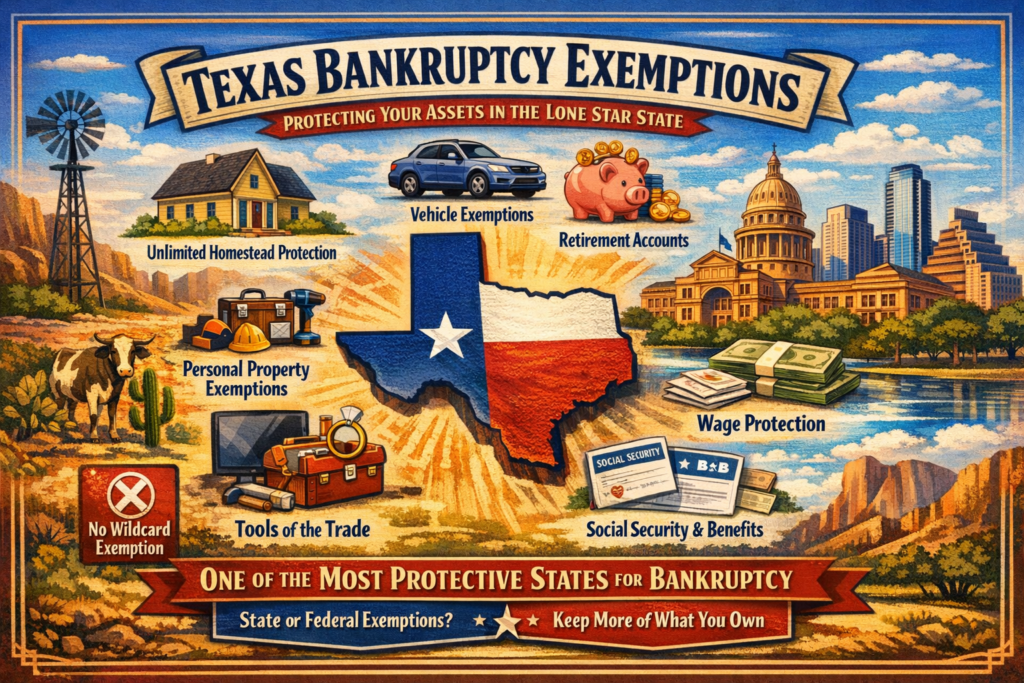
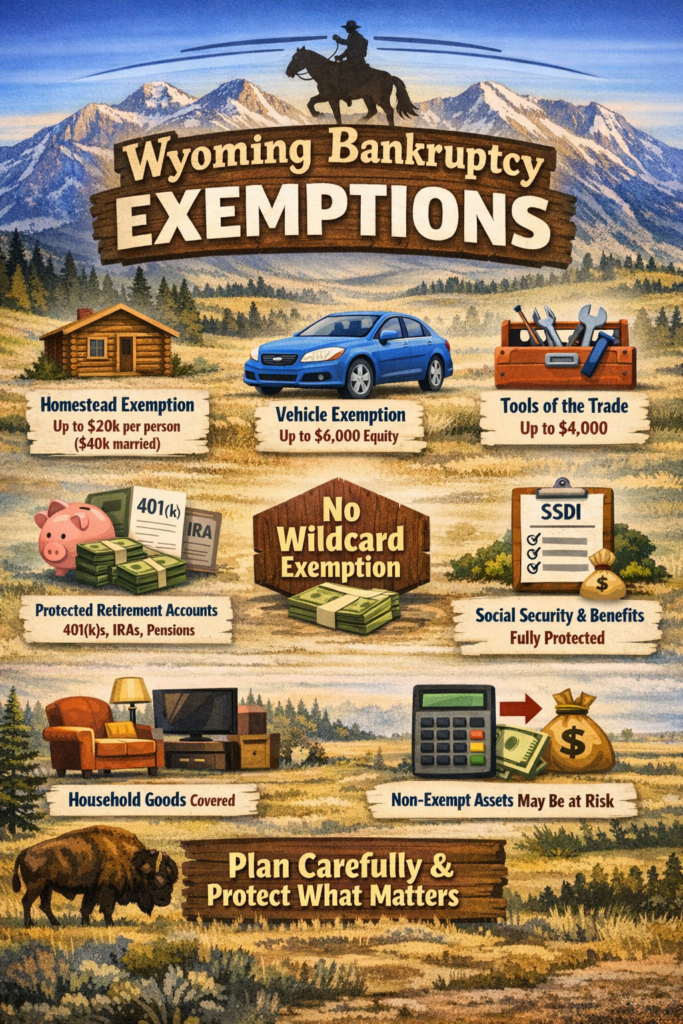
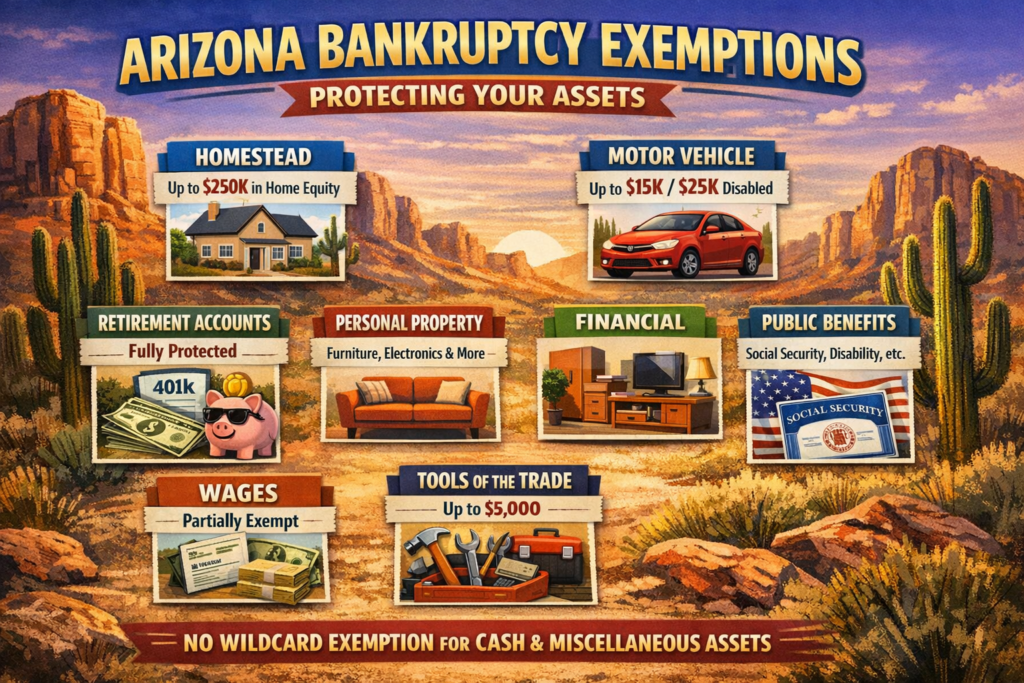
Bankruptcy laws include exemptions that protect certain property.
In many cases:
- Everyday items are safe
- Lower-value property is protected
- Essential assets are preserved
Even your chickens may be exempt depending on their value and applicable laws.
(Yes, that sentence exists.)
A True Story (Names Changed to Protect the Chicken)
A client once told me:
“I didn’t list the chickens because they’re basically pets.”
We added them to the filing.
The trustee glanced at the schedule and said:
“Three hens? Any eggs?”
Client: “Yes.”
Trustee: “Nice.”
And that was the end of it.
No drama. No confiscation. Just… chickens acknowledged.
That’s how this is supposed to go.
Practical Tips: How to Build Your Bankruptcy Assets List
If you’re preparing to file, here’s how to stay out of trouble:
1. Over-Disclose, Don’t Under-Disclose
You will never get in trouble for listing too much.
You can get in trouble for listing too little.
2. Check Everywhere
Look through:
- Old bank accounts
- Apps (Venmo, PayPal, Cash App)
- Crypto wallets
- Storage units
- Closets full of “collectibles”
3. Think About the Future
Include:
- Lawsuits
- Tax refunds
- Inheritances
4. Work With an Experienced Attorney
A good bankruptcy attorney will ask the weird questions.
Like:
“Do you own chickens?”
Now you know why.
Final Thought: It’s Not Just About What You Owe
Bankruptcy isn’t just about debt—it’s about a full financial snapshot.
That means your bankruptcy assets list needs to include everything of value, no matter how small, strange, or slightly embarrassing.
So remember:
- Chickens count
- Crypto counts
- Collectibles count
- Gift cards count
And yes—your attorney has probably heard stranger things.
At the end of the day, honesty is what gets you through the process smoothly.
Because the goal isn’t to impress the court.
It’s to walk away with a clean slate.
And maybe… still your chickens.