Understanding Bankruptcy
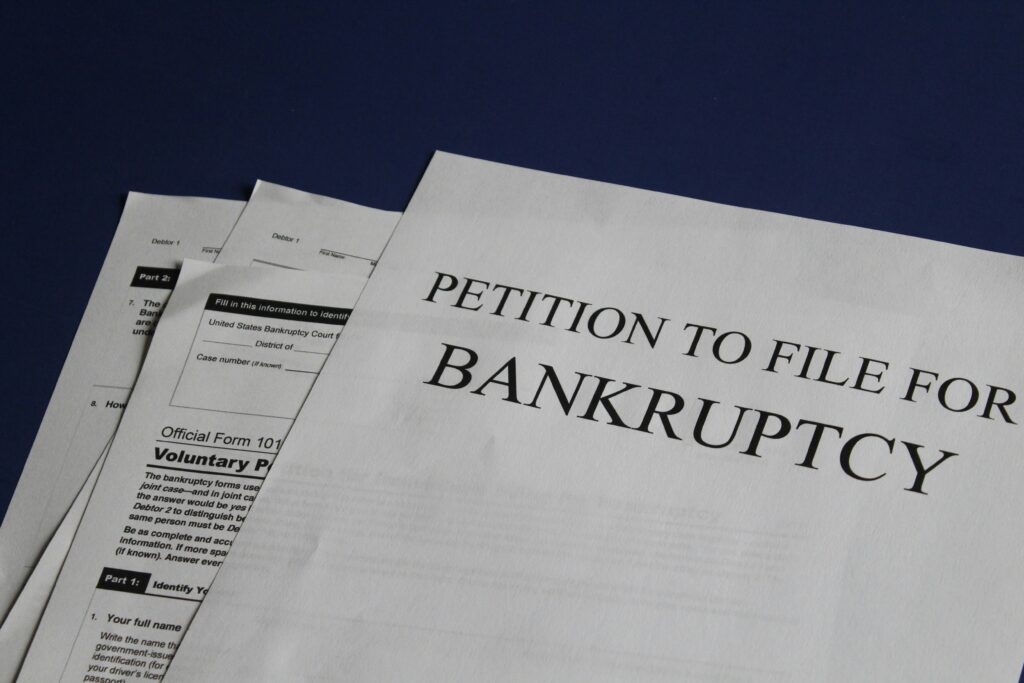
Bankruptcy is a legal process that can help you get a fresh start if you’re overwhelmed by debt. There are different types, each with specific requirements and consequences.
Types of Bankruptcy for Consumers
- Chapter 7: Liquidation of non-exempt assets to pay creditors; most unsecured debts discharged
- Chapter 13: Repayment plan over 3–5 years based on your income
Practical Checklist: Preparing to File
- Gather a complete list of all debts, assets, income, and expenses.
- Collect recent tax returns, pay stubs, and bank statements.
- Review your credit report for accuracy.
- Complete required credit counseling from an approved provider.
- Consult a bankruptcy attorney to review your options and eligibility.
What to Document
- All creditor statements
- Income and expense records
- Legal notices or lawsuits
- Credit counseling certificate
Next Steps
Bankruptcy can be a useful tool, but it’s not right for everyone. An attorney can help you weigh your options and guide you through the process.
Considering bankruptcy? Contact Ginsburg Law Group for a confidential consultation to explore your options.