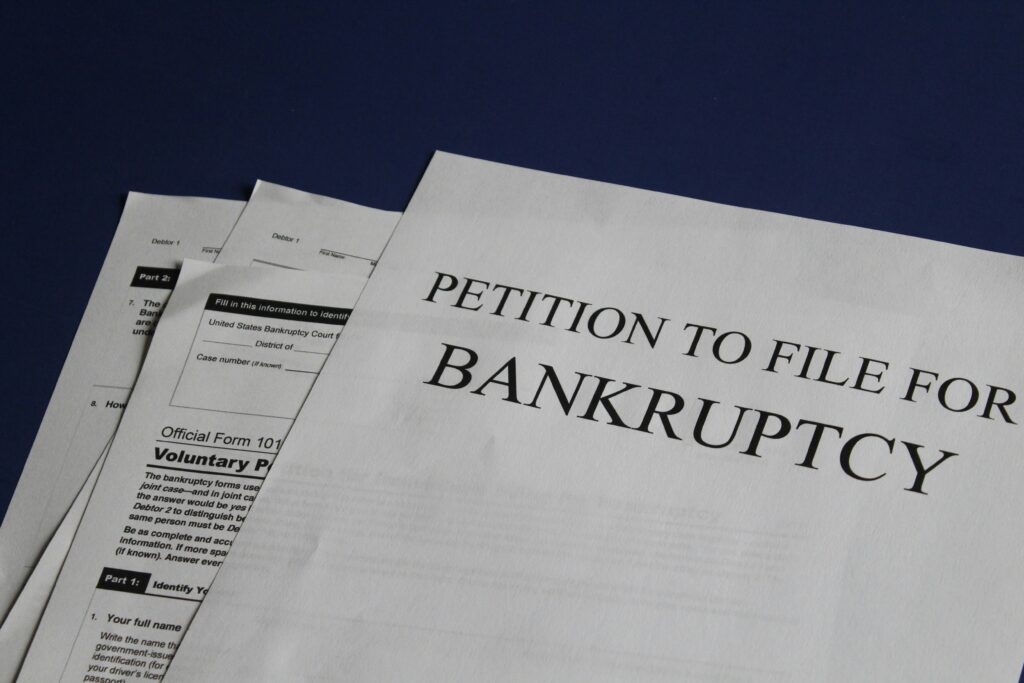
Thinking about bankruptcy can feel overwhelming. Many people wait because they’re embarrassed or unsure what they’ll be asked. In reality, the best first step is often practical: gather key documents so you can have a clear, efficient conversation with your attorney.
This post is general information—not legal advice for your specific situation. Bankruptcy outcomes depend on your income, assets, debts, and the laws that apply where you live.
The two most common consumer bankruptcies (high level)
Chapter 7 (often called “liquidation”)
Some people may qualify to discharge certain debts more quickly, depending on eligibility rules.
Chapter 13 (repayment plan)
Some people use a court-approved plan to repay certain debts over time.
Which chapter fits—if any—depends on your full financial picture.
Your pre-consultation document checklist
Income
- Recent pay stubs
- Proof of other income (benefits, gig work, child support, etc.)
- Last two years of tax returns (if available)
Debts
- Credit card statements
- Medical bills
- Personal loans
- Collection letters
- Any lawsuit paperwork (complaints, summons)
Housing
- Lease agreement and rent receipts, or
- Mortgage statements, escrow info, and property tax bills
Vehicles
- Loan statements
- Title/registration
- Insurance declarations page
Assets
- Bank statements
- Retirement account statements
- Any real estate documents
Monthly expenses
- Utilities
- Childcare
- Insurance
- Transportation
What to write down (even if you don’t have documents)
- A list of all creditors you can remember
- Any recent large purchases or transfers
- Any recent wage garnishments or bank levies
- Upcoming court dates
What not to do if you’re considering bankruptcy
- Don’t ignore a lawsuit—deadlines can move fast
- Don’t drain retirement accounts without advice
- Don’t transfer property to friends/family to “protect it”
- Don’t take on new debt assuming bankruptcy will erase it
How a consultation usually goes
A good consultation typically focuses on:
- Your goals (stop garnishment, catch up on mortgage, reset finances)
- Your income and household size
- Your assets and major debts
- Any urgent deadlines
When to get help sooner
If you’ve been served with a lawsuit, have a wage garnishment, or are facing repossession/foreclosure, it’s worth getting legal advice quickly.
Soft CTA: If you’re considering bankruptcy and want a clear plan, Ginsburg Law Group, PC can help you understand what information matters most and what options may fit your situation. Contact us to schedule a consultation.