The quick takeaway
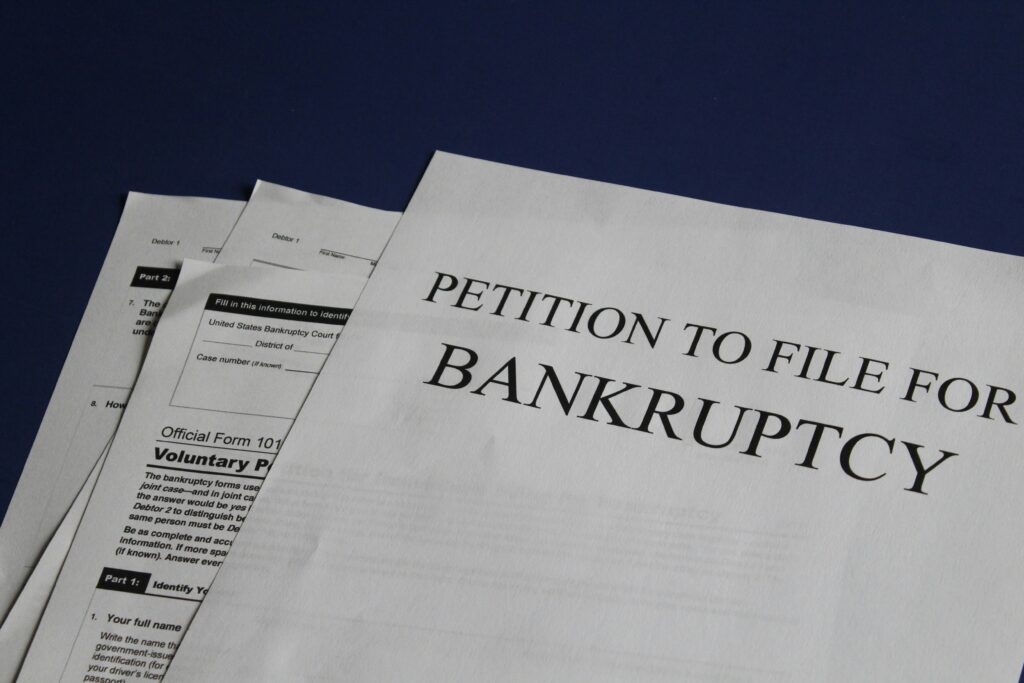
Bankruptcy is a legal process with real consequences, but it can also be a structured way to address overwhelming debt. The best first step is getting organized—so you can get accurate advice.
Two common consumer chapters (high level)
Chapter 7 (often called “liquidation”)
- Typically focuses on eliminating eligible unsecured debts
- Eligibility can depend on income and other factors
Chapter 13 (often called a “repayment plan”)
- Involves a court-approved plan paid over time
- Can be used to address arrears (like catching up on certain payments)
Which chapter fits depends on your full financial picture.
What to gather: the pre-consult checklist
Income
- Pay stubs (recent)
- Benefit letters (if applicable)
- Profit/loss info if self-employed
Debts
- Credit card statements
- Personal loan statements
- Medical bills
- Collection letters
- Any lawsuit paperwork
Assets
- Vehicle info (loan statements, title, insurance)
- Home info (mortgage statement, taxes, insurance)
- Bank statements
- Retirement account statements
Monthly expenses
- Rent/mortgage
- Utilities
- Childcare
- Insurance
- Transportation
Recent major events
- Job loss, divorce, medical issues
- Large purchases or transfers
What to document if you’re facing a lawsuit or garnishment
- The date you were served
- Any hearing dates
- Wage garnishment notices
- Bank levy notices
Questions to ask during a consultation
- What chapter is realistic for my situation?
- What documents do you need from me and by when?
- What should I avoid doing before filing?
- What happens to my car/home in my scenario?
If you’re considering bankruptcy and want a clear, respectful explanation of the process and your options, Ginsburg Law Group, PC can review your documents and help you decide on next steps.