If you filed Chapter 13 bankruptcy hoping to get relief, you may have been shocked when you found out you’re in a 100% repayment plan.
A lot of people ask:
“Why am I paying everyone back?”
“Isn’t bankruptcy supposed to help?”
“Why didn’t I qualify for a lower payment plan?”
“Did my attorney do something wrong?”
If you’re in a 100% plan, it doesn’t mean you failed — and it doesn’t mean bankruptcy isn’t working. It just means the law says you must repay your creditors in full under your circumstances.
Here’s why.
What Is a 100% Chapter 13 Plan?
A 100% plan means your Chapter 13 repayment plan requires you to pay back:
100% of your unsecured debt
This includes debts like:
- credit cards
- personal loans
- medical bills
- collections
It usually does not mean you’re paying 100% interest or fees — but it does mean the creditors are getting the full principal amount owed.
The Most Common Reason: Your Income Is Too High
One major reason people end up in a 100% plan is because their income is considered high enough that the bankruptcy court believes they have the ability to repay their debts.
Chapter 13 is based on your “disposable income,” meaning what’s left after reasonable living expenses.
If your budget shows you have enough disposable income to repay your creditors in full over 3–5 years, the court may require it.
Another Big Reason: You Have Too Much Equity in Property
This surprises a lot of people.
Even if your income is not high, you may still be required to repay creditors in full if you have significant equity in assets, such as:
- a home
- a second property
- a paid-off vehicle
- savings or investments
Bankruptcy law says unsecured creditors must receive at least as much in Chapter 13 as they would have received if you filed Chapter 7.
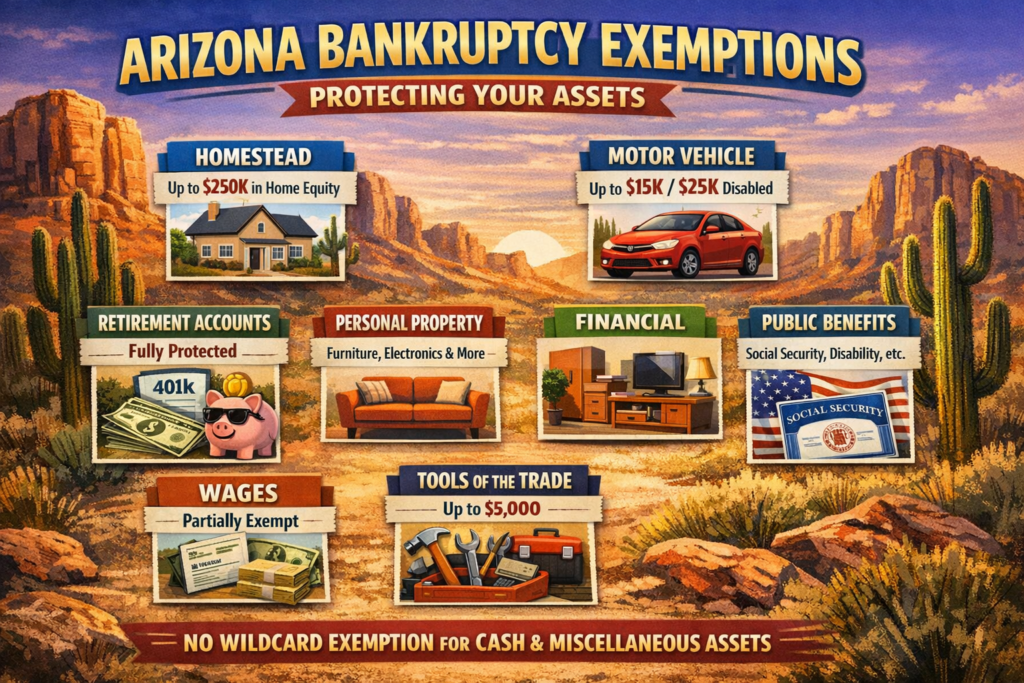
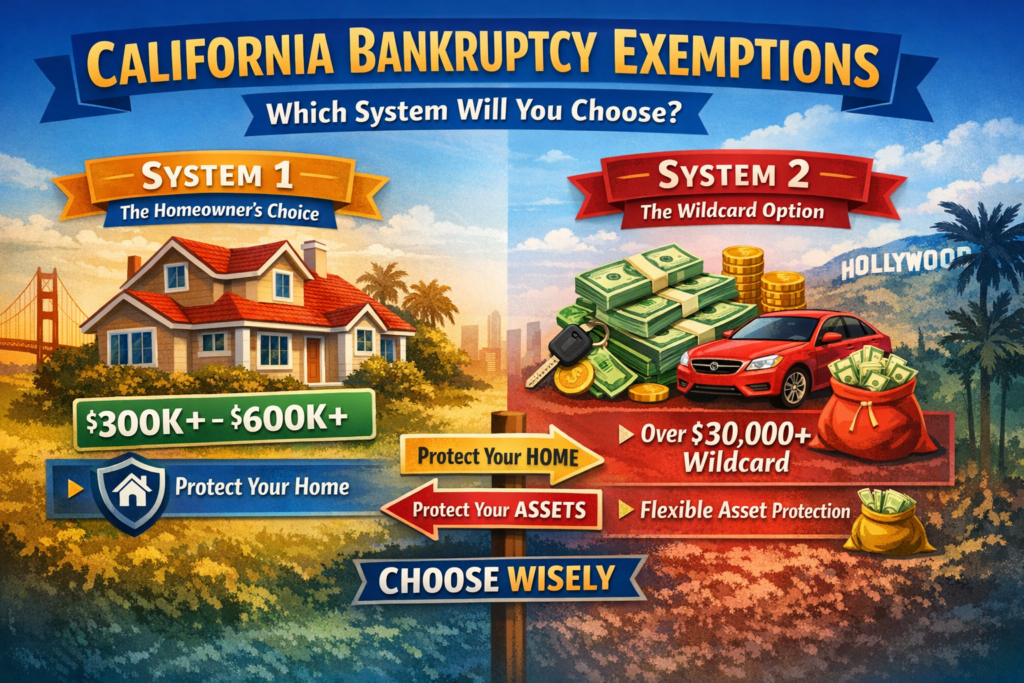
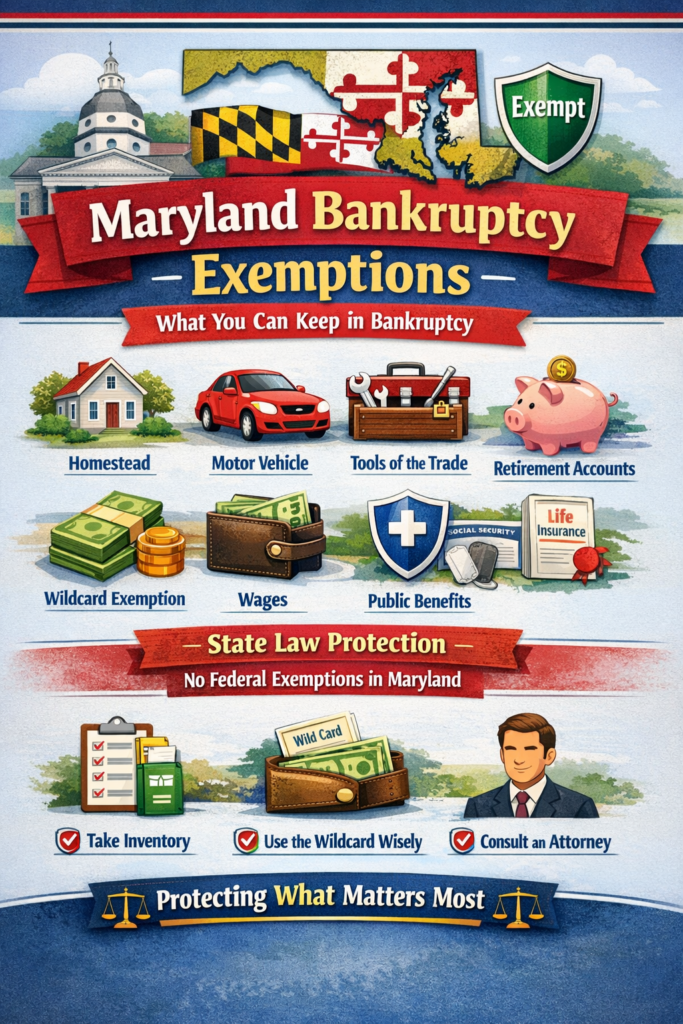
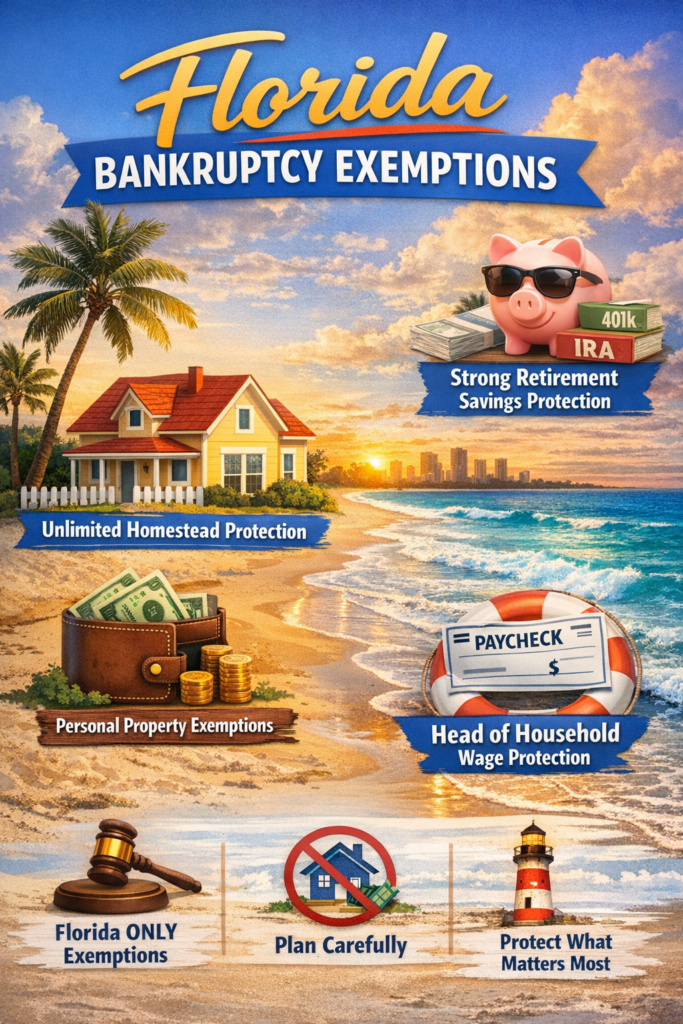
So if you have non-exempt equity that a Chapter 7 trustee could have taken, Chapter 13 may require you to repay creditors in full instead.
You Might Be Paying Priority Debts
Some people think they’re in a “100% plan,” but really the bulk of their payment is going toward priority debts like:
- IRS taxes
- child support arrears
- spousal support arrears
These debts often must be paid in full through the plan.
So even if unsecured creditors aren’t receiving 100%, your payment can feel like it because of how high the total plan amount becomes.
Your Plan Payment Might Include Secured Debt Catch-Up
If you are catching up on:
- mortgage arrears
- car loan arrears
your plan payment may be high enough that it feels like a 100% plan.
But the payment isn’t always going to credit cards — it’s often going toward keeping your house or car.
Why Chapter 7 Wasn’t an Option
Many people ask:
“If I’m paying everyone back, why didn’t I just file Chapter 7?”
Some people don’t qualify for Chapter 7 because:
- their income is too high under the means test
- they have assets that could be taken
- they are behind on their mortgage and need Chapter 13 protection
- they owe non-dischargeable debts like taxes or support
In those cases, Chapter 13 is still the better (or only) legal option.
Is a 100% Plan a Bad Thing?
Not necessarily.
Believe it or not, a 100% plan can have benefits:
✅ You stop interest and penalties on many debts
✅ You avoid lawsuits and garnishments
✅ You may catch up mortgage arrears and keep your home
✅ You pay debts in one structured payment
✅ You get court protection while repaying
✅ You may discharge remaining eligible debts at the end
And once you complete the plan, you often come out in a much stronger financial position.
Can My Plan Payment Be Lowered?
Sometimes.
If your income drops or your expenses increase (job loss, medical costs, etc.), your attorney may be able to file a motion to modify the plan.
But if you are in a 100% plan due to asset equity or legal requirements, lowering the plan may not always be possible.
The Bottom Line
If you’re in a 100% Chapter 13 plan, it is usually because:
✅ your income shows you can repay the debt
✅ you have too much non-exempt equity
✅ Chapter 7 was not available or too risky
✅ bankruptcy law requires creditors to receive full repayment under your circumstances
It doesn’t mean bankruptcy isn’t helping — it means bankruptcy is restructuring your debt in the way the law requires.
Final Thought
Chapter 13 is still bankruptcy relief — even in a 100% plan.
Because without bankruptcy protection, many people would face:
- nonstop collection calls
- lawsuits
- wage garnishments
- foreclosure or repossession
- spiraling interest and penalties
A 100% plan can still provide structure, protection, and peace of mind while you rebuild.