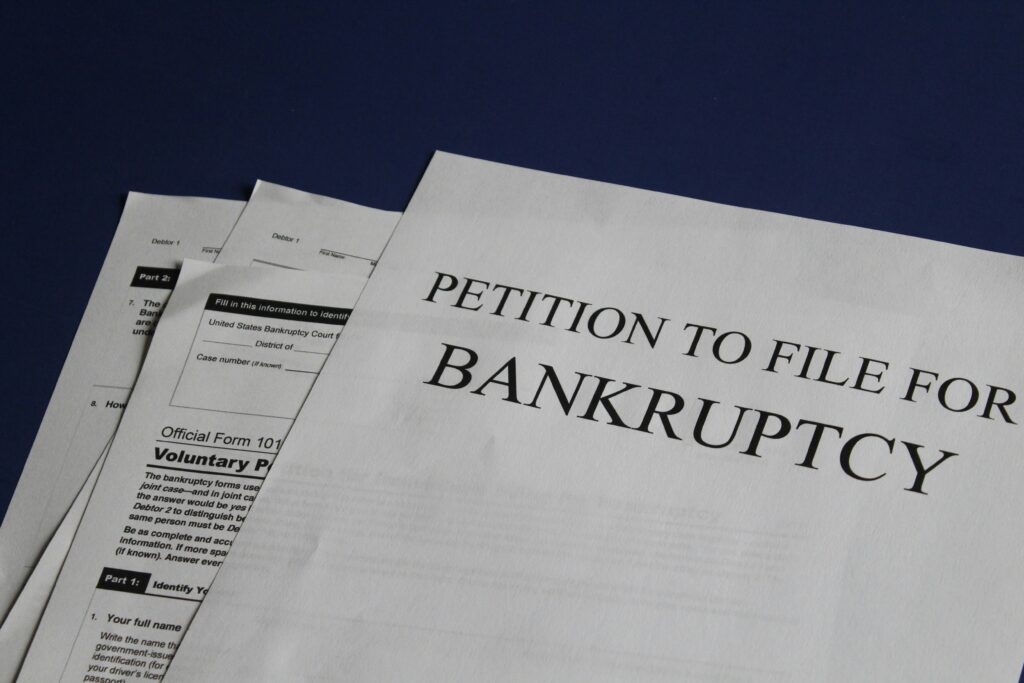
It’s more common than you think.
Someone files bankruptcy because they feel overwhelmed, stressed, and desperate for relief… and then a few weeks or months later they start thinking:
“Did I make the right decision?”
“Can I dismiss my bankruptcy?”
“Should I dismiss my bankruptcy?”
“Has anyone else done this, and did they regret it?”
If you’ve been considering filing a motion to voluntarily dismiss your bankruptcy, you are not alone.
Bankruptcy can feel intimidating, emotional, and even embarrassing. It’s normal for people to second-guess themselves once the reality of the process sets in.
But before you file anything, it’s important to understand what dismissal actually means — and what could happen afterward.
Yes, People Voluntarily Dismiss Bankruptcy Cases All the Time
Many filers voluntarily dismiss their bankruptcy for reasons like:
- they got a new job or unexpected income
- they received a tax refund or settlement
- they worked out a deal with creditors
- they decided bankruptcy wasn’t the right fit
- they became nervous about losing an asset
- they didn’t fully understand the process when they filed
- the monthly Chapter 13 payment became too high
- they couldn’t keep up with plan payments
- they wanted to sell property or refinance
So the short answer is:
Yes — people do voluntarily dismiss bankruptcy cases.
But whether it’s a good idea depends on your situation.
Chapter 7 vs. Chapter 13: Dismissal Works Differently
If You Filed Chapter 13
Most voluntary dismissals happen in Chapter 13.
Chapter 13 is a repayment plan bankruptcy, and if the payment becomes unaffordable, people often decide to dismiss.
In many cases, Chapter 13 filers do have the right to voluntarily dismiss — but there may be consequences depending on timing and creditor activity.
If You Filed Chapter 7
Chapter 7 is different.
In Chapter 7, you cannot always dismiss your case automatically. The court may need to approve the dismissal, and creditors or the trustee may object.
If assets are involved, the court may not allow dismissal simply because the filer changes their mind.
Why People Start Wanting to Dismiss After Filing
Once the bankruptcy is filed, reality hits.
Some people become nervous because they realize:
- their bank accounts were reviewed
- their spending is being watched
- they have to provide tax returns and documents
- the trustee asked questions they weren’t prepared for
- they may lose property
- they don’t like feeling “under a microscope”
This is a normal emotional response.
But panic is not always the best reason to dismiss a case.
What Happens If You Voluntarily Dismiss Your Bankruptcy?
This is the most important part.
If your bankruptcy is dismissed, you lose the protection of the automatic stay.
That means creditors can immediately resume:
- lawsuits
- collection calls
- wage garnishments
- foreclosure actions
- repossession
- bank levies
In other words:
Bankruptcy protection stops the moment the dismissal goes through.
For some people, that’s manageable.
For others, it creates a financial disaster.
Will Your Debts Still Be Discharged?
No.
If your case is dismissed before discharge:
You do not receive the benefits of bankruptcy.
That means:
- your credit card debt still exists
- your medical debt still exists
- your personal loans still exist
- your lawsuits and judgments may continue
Dismissal is essentially like pressing “undo” — except the creditors now know you were struggling, and many will act quickly.
Can You File Bankruptcy Again Later?
Sometimes yes — but not always immediately.
A dismissal can affect your ability to refile depending on:
- how long the case was pending
- whether you previously filed other bankruptcies
- whether the court believes the dismissal was abusive
- whether creditors request restrictions
In some situations, you can refile right away.
In other situations, you may face waiting periods or limitations on the automatic stay.
This is why dismissing without legal advice can be risky.
Will You Regret Dismissing?
People’s experiences vary widely.
Some people are glad they dismissed because:
- they got caught up financially
- they negotiated settlements
- they avoided losing an asset
- they found another solution
But many people regret dismissing because:
- creditors immediately restarted lawsuits
- wages were garnished
- cars were repossessed
- foreclosure resumed
- debt became even harder to manage
- they ended up filing again later anyway
And filing again can sometimes be more complicated than the first time.
A Better Option Than Dismissal: Modify the Case
Before dismissing, many people have other options depending on their situation, such as:
Converting the bankruptcy
For example, converting from Chapter 13 to Chapter 7.
Modifying the payment plan
If your income changed or expenses increased, you may be able to lower your plan payment.
Requesting temporary relief
In certain cases, people can request a pause or adjustment due to hardship.
Many people don’t realize these options exist — and they dismiss too quickly when a modification could have solved the problem.
Should You File a Motion to Voluntarily Dismiss?
Here’s the honest answer:
Sometimes dismissal is the right move — but it should be strategic, not emotional.
If bankruptcy is no longer needed and you have a realistic plan, dismissal may make sense.
But if you are dismissing because you are scared, overwhelmed, or confused, you may want to pause and speak with a qualified bankruptcy attorney first.
Because once dismissed, creditors do not wait.
The Bottom Line
If you are thinking about voluntarily dismissing your bankruptcy:
✅ Yes, many people have done it
⚠️ The outcome depends heavily on your debts, assets, and timing
❗ Dismissal means you lose bankruptcy protection immediately
❗ Your debts are not wiped out if there is no discharge
✅ Other options may exist that are better than dismissal
Final Thought: Don’t Make a Permanent Decision Based on Temporary Panic
Bankruptcy is stressful. It can feel embarrassing and overwhelming.
But the process is designed to help people reset — not destroy them.
Before you file a motion to voluntarily dismiss, make sure you fully understand what you’re giving up and what will happen next.
The right decision is the one that protects your future.
Need Help? We Can Review Your Options.
If you are considering dismissal and want to understand your rights and consequences, our office can help you review your situation and decide whether dismissal, modification, or conversion is the best path forward.
You deserve answers — not more stress.