If you’re in a Chapter 13 bankruptcy and your monthly payment has become too hard to manage, you may be asking:
“Can I modify my Chapter 13 plan?”
“Can my payment be lowered?”
“What if my income changed?”
The short, honest answer is:
Yes — many Chapter 13 plans can be modified, but it depends on why your payment is high and what has changed.
Here’s how plan modifications work and when they’re possible.
What Is a Chapter 13 Plan Modification?
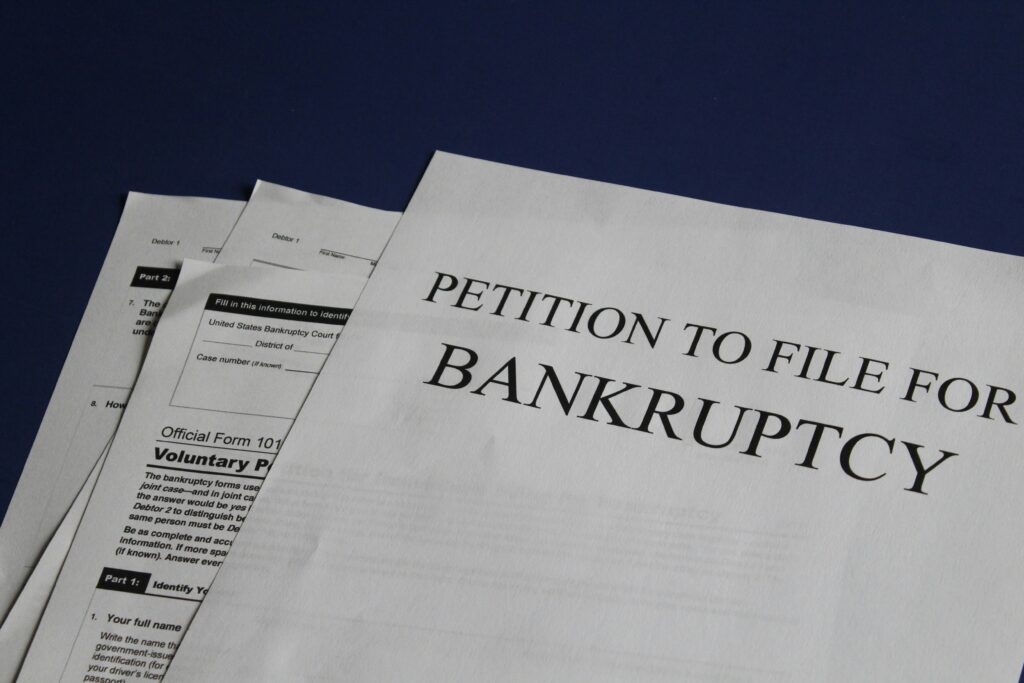
A plan modification is a formal change to your existing Chapter 13 repayment plan that must be approved by the bankruptcy court.
Modifications are usually requested when something significant changes in your financial situation after your case is filed.
Common Reasons People Modify Their Chapter 13 Plan
Courts and trustees are generally receptive to modifications when the change is legitimate and documented.
Common reasons include:
✅ Loss of a Job or Reduction in Income
Layoffs, reduced hours, commission loss, or job changes can all qualify.
✅ Increased Living Expenses
Examples include:
- rent or mortgage increases
- higher utility costs
- increased childcare expenses
- rising insurance premiums
✅ Medical Issues
Unexpected medical bills, illness, disability, or ongoing treatment costs.
✅ Divorce or Separation
Loss of a spouse’s income or new household expenses.
✅ Retirement
If you retire during Chapter 13 and your income drops.
What Can Be Modified?
Depending on your situation, a modification may allow you to:
- lower your monthly payment
- extend the plan length (up to 60 months)
- change how certain creditors are paid
- adjust payments to unsecured creditors
- temporarily suspend payments (in limited cases)
Not every case qualifies for every option, but many people are surprised by what can be adjusted.
When Modification Is More Difficult
There are situations where modification is harder or limited:
⚠️ If You’re in a 100% Plan Due to Asset Equity
If your plan requires 100% repayment because of non-exempt equity (like home equity), the court may still require full repayment even if income drops slightly.
⚠️ If Priority Debts Must Be Paid in Full
Debts like child support arrears or certain taxes often must still be paid in full.
⚠️ If the Change Is Temporary
Short-term issues may not justify a permanent reduction, though temporary relief may still be possible.
What You’ll Need to Modify Your Plan
To request a modification, you’ll typically need to provide:
- updated pay stubs or proof of income
- a revised budget showing increased expenses
- medical bills or documentation (if applicable)
- proof of job loss or reduction in hours
- any other evidence supporting the change
The trustee and court will review whether the new payment is reasonable and feasible.
What If a Modification Isn’t Enough?
If a modification won’t solve the problem, there may be other options, such as:
🔹 Converting to Chapter 7
If you qualify and don’t have assets at risk.
🔹 Temporary Payment Suspension
In some cases, courts allow a short pause to help you recover.
🔹 Hardship Discharge (Rare)
Available only in limited circumstances when repayment is no longer possible due to factors beyond your control.
Each option has pros and cons, so legal guidance matters.
What Happens If You Do Nothing?
This is the most important part:
Ignoring missed payments can lead to dismissal of your case.
If your case is dismissed:
- creditors can resume collections
- foreclosure or repossession can restart
- wage garnishments can resume
Acting early gives you the most flexibility.
The Bottom Line
Can you modify your Chapter 13 payment?
✅ Often, yes — if your circumstances have changed
⚠️ It depends on why your payment is high
❗ You must request modification through the court
✅ The sooner you act, the more options you have
Final Thought
Chapter 13 is meant to be a living plan — not a punishment.
If life changes and your payment no longer works, that doesn’t mean you failed. It means the plan may need to be adjusted.
The worst thing you can do is wait until you’re too far behind.