A wrong credit report can cost you real money—higher interest rates, denied housing, lost job opportunities, or higher insurance premiums.
The Fair Credit Reporting Act (FCRA) is designed to make credit reporting agencies and furnishers take accuracy seriously. Here’s what to know if your report is wrong.
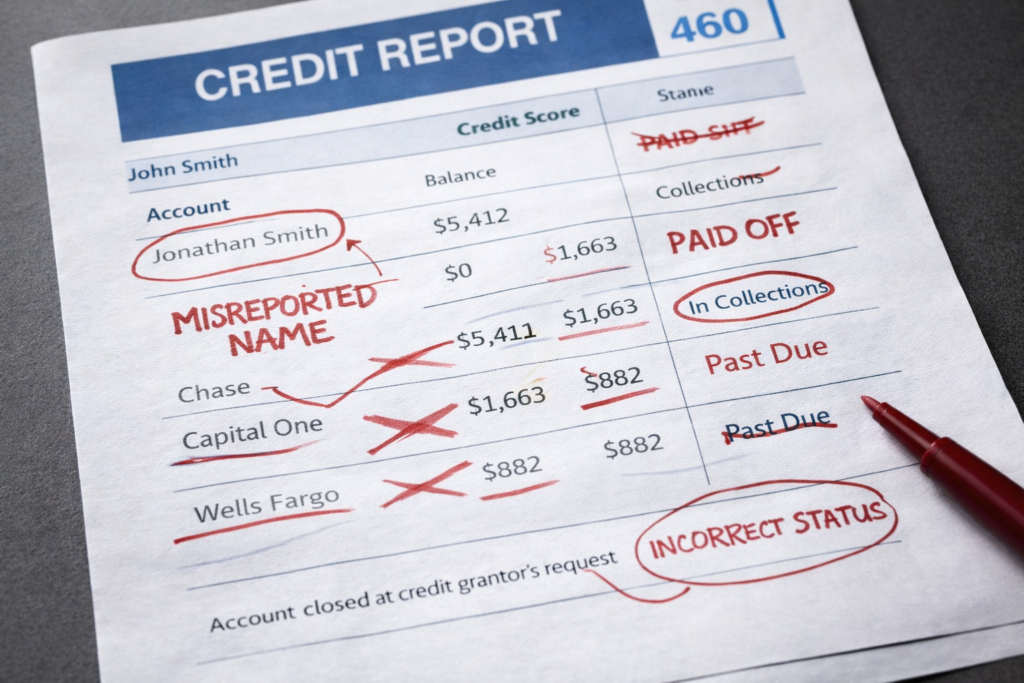
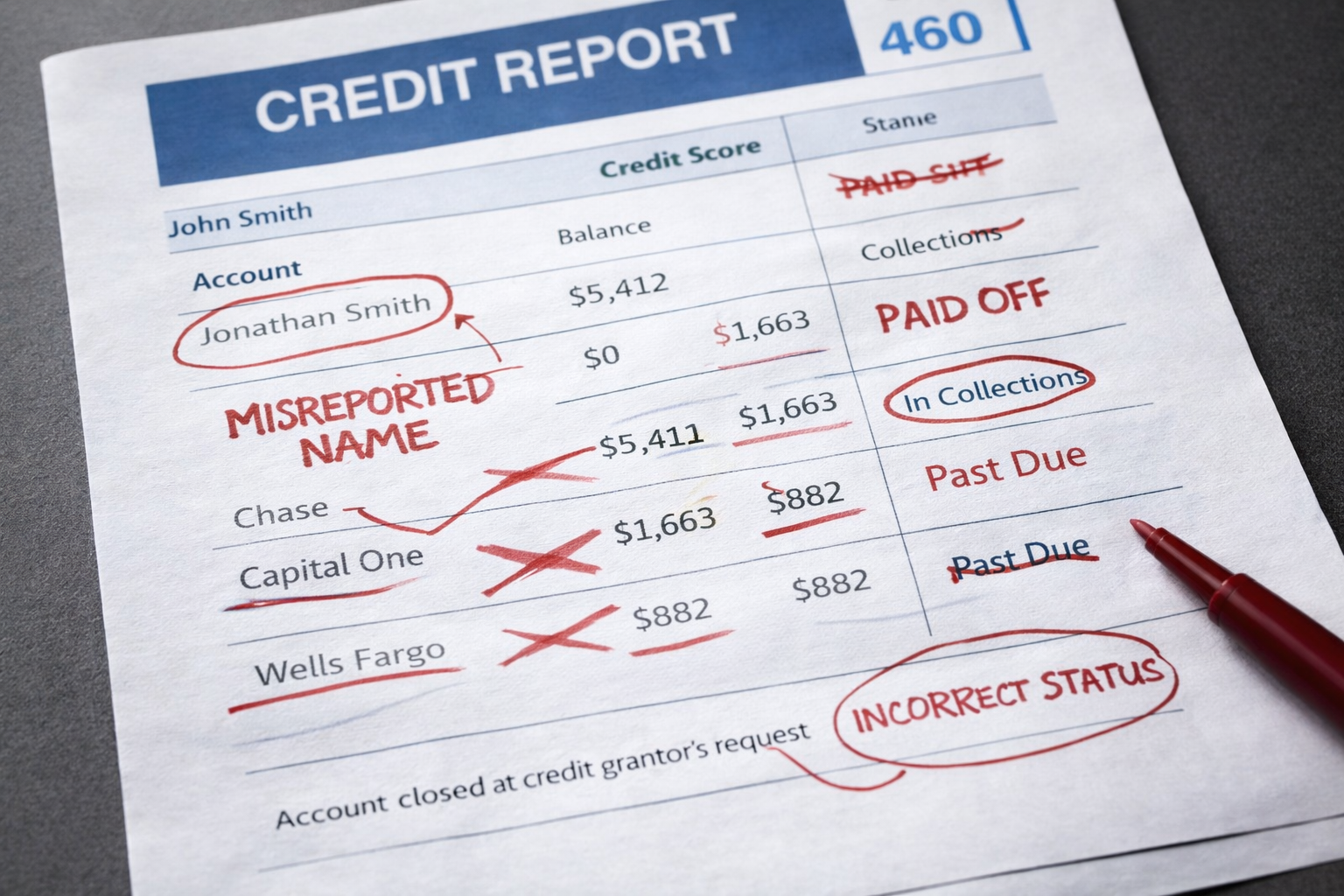
Common credit report errors
Some of the most common issues include:
- Accounts that aren’t yours
- Incorrect balances or payment history
- Duplicate accounts
- Wrong personal information (name, address, SSN fragments)
- Old debts that should have aged off
- Accounts marked “late” during disputes or hardships
Step 1: Pull your reports and identify the exact errors
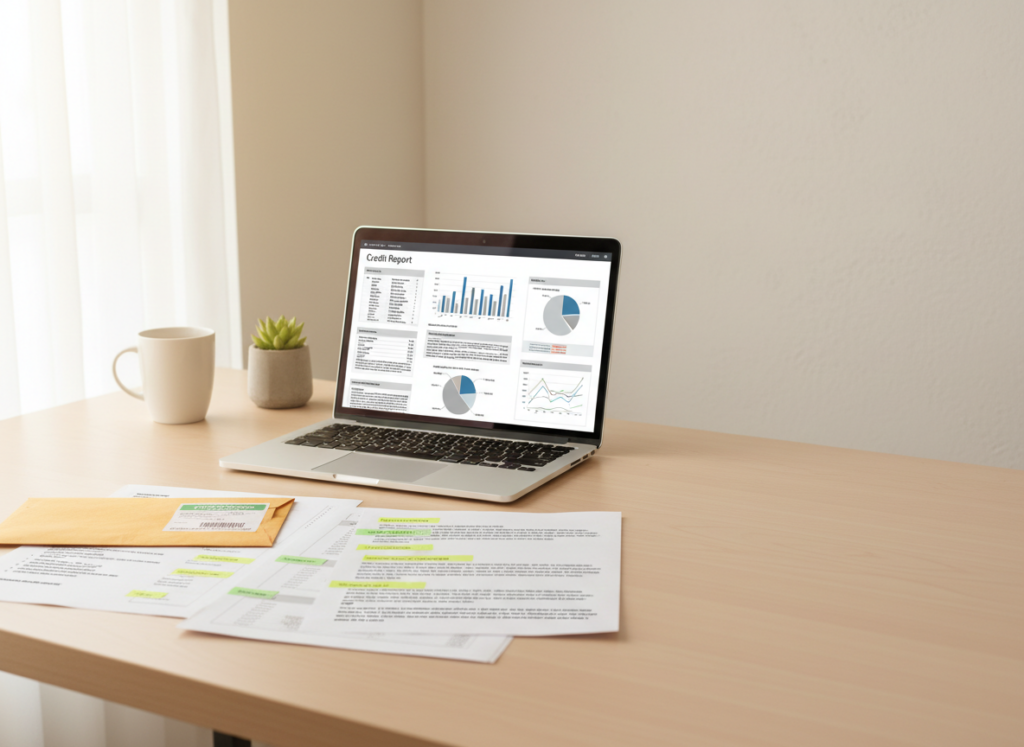
Start by pulling your credit reports and highlighting:
- The account name
- The account number (partial)
- The specific inaccurate line item
- The date the error first appeared (if known)
Step 2: Dispute in writing (and keep proof)
Online disputes can be convenient, but written disputes create a cleaner paper trail.
Send disputes via certified mail when possible and keep:
- Copies of your dispute letters
- Proof of mailing
- The response letters
- Any updated reports
Step 3: Dispute with both the bureau and the furnisher
In many situations, you may need to dispute with:
- The credit reporting agency (Experian, Equifax, TransUnion)
- The company furnishing the information (creditor/collector)
Step 4: Don’t send originals
Send copies of supporting documents, not originals.
Step 5: Track timelines and outcomes
Write down:
- When you sent the dispute
- When you received responses
- What changed (or didn’t)
Bottom line
Credit reporting errors are not just annoying—they can be financially damaging. If you’ve disputed and the information remains wrong, it may be time to get legal advice.
If your credit report is inaccurate and disputes aren’t fixing it, Ginsburg Law Group can help you understand your options under the FCRA.