If you are considering bankruptcy and you rent your home, one of the most common concerns is:
“Do I have to tell my landlord I’m filing bankruptcy?”
Or even more honestly:
“Can I file bankruptcy without my landlord finding out?”
This is a very real fear — because people worry that if a landlord learns about a bankruptcy, it could lead to:
- retaliation
- non-renewal of the lease
- eviction threats
- embarrassment
- difficulty finding housing in the future
So let’s break it down clearly.
The Short Answer: Usually, Your Landlord Will Find Out (But Not Always)
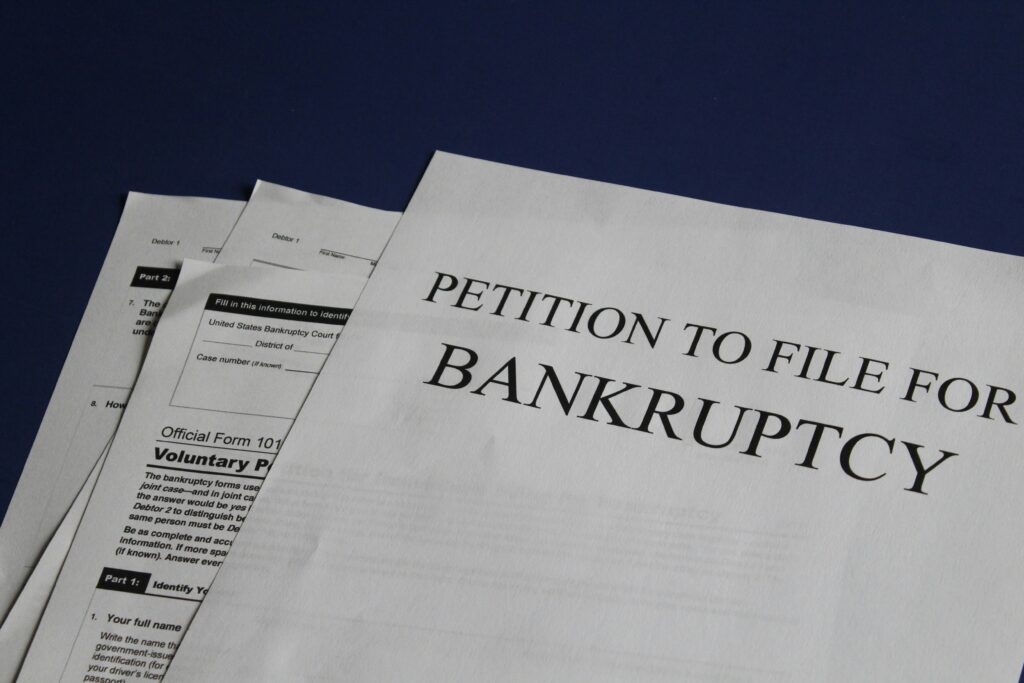
When you file bankruptcy, your case becomes part of the public record.
That means it is technically possible for someone to look it up.
However, most landlords are not constantly checking bankruptcy court filings unless they have a reason.
The bigger issue is this:
In many cases, the landlord must be listed in your bankruptcy paperwork.
And once they are listed, they will typically receive notice.
Why Would a Landlord Be Included in a Bankruptcy Case?
Bankruptcy requires you to list all creditors and anyone you owe money to.
Your landlord may be included if:
- you owe back rent
- you are behind on payments
- you broke a lease and owe fees
- you owe late charges
- your lease includes potential financial obligations
Even if you are current on rent, the lease is still a legal contract, and bankruptcy law often requires it to be disclosed.
Can You Leave Your Landlord Out If You’re Current?
Many people ask:
“If I’m not behind on rent, can I just leave them out?”
Generally speaking:
You should not leave a landlord out of a bankruptcy filing if the lease creates a legal obligation.
Bankruptcy paperwork must be accurate and complete.
Failing to disclose information can create serious problems, including delays in your case or issues with your discharge.
It’s not worth the risk.
If Your Landlord Gets Notice, Does That Mean You’re Being Evicted?
Not necessarily.
In fact, in many cases:
Filing bankruptcy can actually protect renters.
Bankruptcy can temporarily stop eviction proceedings in certain situations through something called the automatic stay.
But here’s the important part:
- If you are current on rent and stay current, bankruptcy usually does not affect your tenancy.
- If you are behind, bankruptcy may give you options — but it depends on timing and the type of bankruptcy filed.
Will My Landlord Automatically Be Notified?
If your landlord is listed in the case (which is common), the landlord will likely receive an official notice from the bankruptcy court.
This notice typically says:
- your name
- your case number
- the bankruptcy chapter filed
- the trustee assigned
- deadlines for creditors
It is not usually dramatic or accusatory — it’s just a formal notice.
But yes, it can be uncomfortable.
Can Your Landlord “Retaliate” Against You?
Many renters fear that once the landlord finds out, they will raise the rent, refuse to renew, or try to force them out.
While laws vary by state, landlords generally cannot illegally retaliate.
However, the reality is:
Some landlords may choose not to renew a lease if they believe a tenant is a financial risk.
Even if that feels unfair, a lease non-renewal is not always illegal depending on the circumstances and local landlord-tenant laws.
This is why it’s important to speak with an attorney about strategy before filing.
Can a Landlord Deny You Housing Because of Bankruptcy?
Unfortunately, yes — it is possible.
Many landlords run credit checks, and bankruptcy may appear on your credit report.
That does not mean you can’t rent again, but it may mean you need:
- a co-signer
- a higher security deposit (where allowed)
- proof of stable income
- references
- a landlord who does not rely heavily on credit scoring
The good news is that many people successfully rent after bankruptcy, especially once they have steady income and their debt-to-income ratio improves.
Can I File Bankruptcy Without My Landlord Knowing?
Here’s the most honest answer:
Sometimes, but you should not assume you can keep it private.
Even if your landlord is not listed, bankruptcy is still a public court filing.
Also, if your landlord checks your credit, they may find out later anyway.
The better approach is usually not to focus on secrecy, but to focus on stability:
- staying current on rent
- keeping documentation
- understanding your lease rights
- filing the correct chapter of bankruptcy
The Bottom Line
If you are renting and filing bankruptcy:
✅ You may not have to personally “tell” your landlord
⚠️ But your landlord may receive notice depending on your lease and whether they are listed
❌ You should not try to hide a landlord or omit them improperly
✅ Filing bankruptcy does not automatically mean eviction if you remain current
If You’re Worried About Housing, Get Legal Advice Before Filing
If you are renting and concerned about how bankruptcy might affect your living situation, it is extremely important to speak with an attorney first.
Filing at the wrong time — or without understanding your lease obligations — can create unnecessary stress.
But filing at the right time, with the right strategy, can give you the relief you need without disrupting your home.
Need Help? We Can Walk You Through Your Options.
If you’re considering bankruptcy and worried about your landlord finding out, we can explain what notice is required, what risks exist, and how to protect yourself as much as possible.
Bankruptcy is meant to give you a fresh start — not take away your stability.