If you’re thinking about filing bankruptcy, chances are you’ve already spent hours Googling… and now you feel even more confused than when you started.
That’s because the internet is packed with conflicting information, horror stories, and blanket statements that don’t apply to everyone.
One of the biggest fears we hear is this:
“If we file bankruptcy, they take all our extra money.”
So naturally, the next question becomes:
“If that’s true… how are we supposed to save money for emergencies like car repairs, vet bills, or medical costs?”
Let’s break this down in plain English.
First: Bankruptcy Is Not Designed to Leave You Broke
The entire purpose of bankruptcy is to give honest people a financial reset — not to punish them.
Bankruptcy laws recognize that real life still happens:
- cars break down
- kids get sick
- pets need emergency care
- rent goes up
- groceries cost more every week
The system understands you need basic stability in order to rebuild.
Why People Think “They Take All Your Extra Money”
This myth usually comes from confusion between Chapter 7 and Chapter 13 bankruptcy.
Chapter 7 (the “wipe out debt” bankruptcy)
In most Chapter 7 cases, people do not make monthly payments.
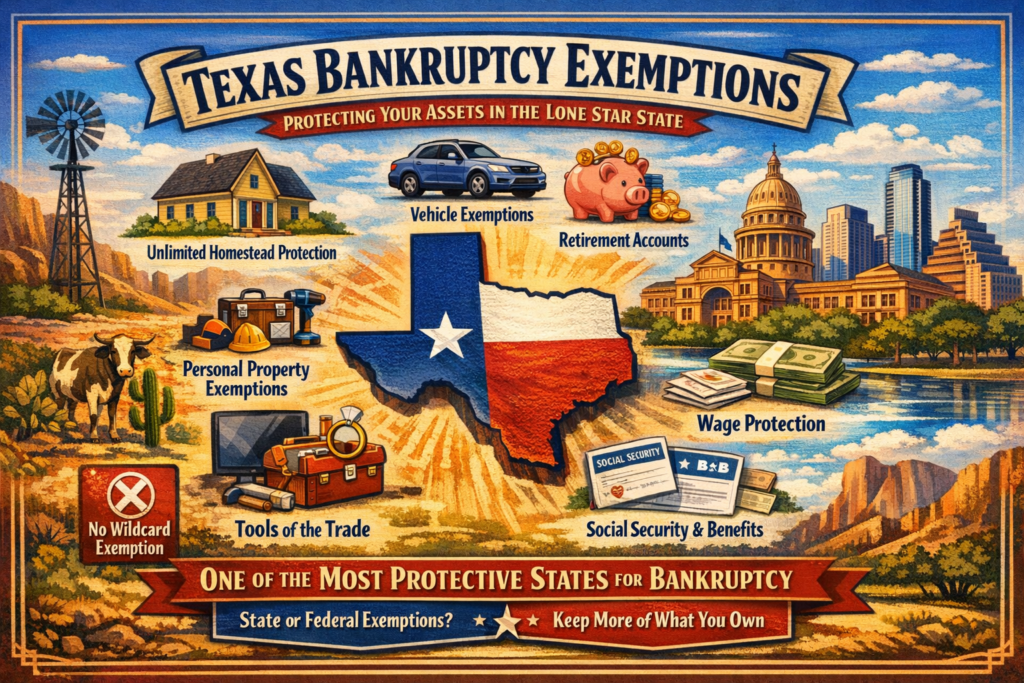
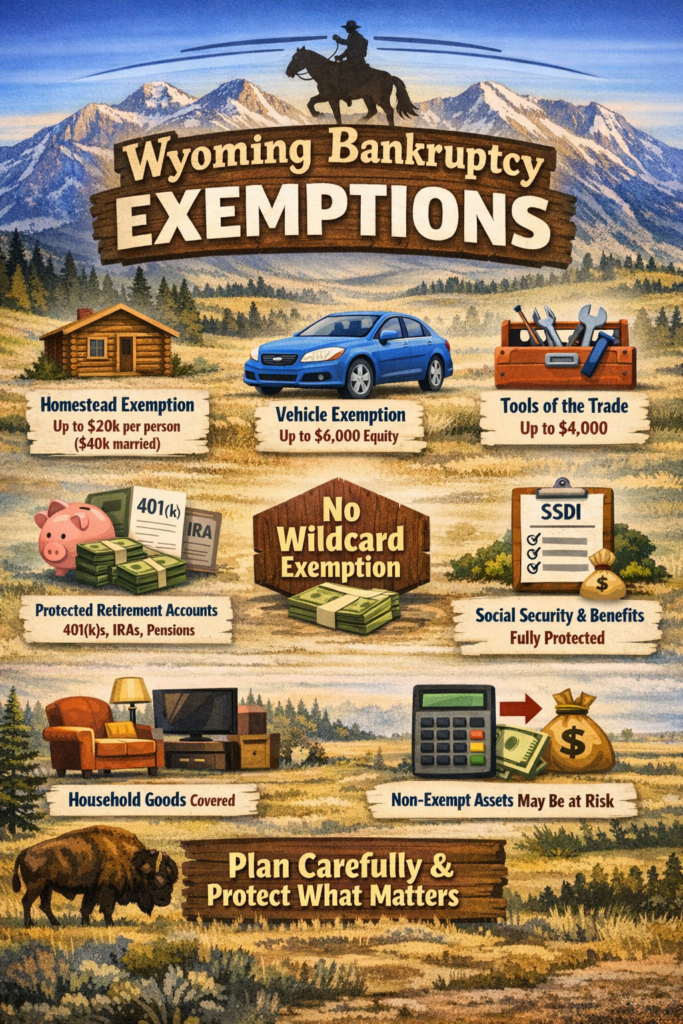
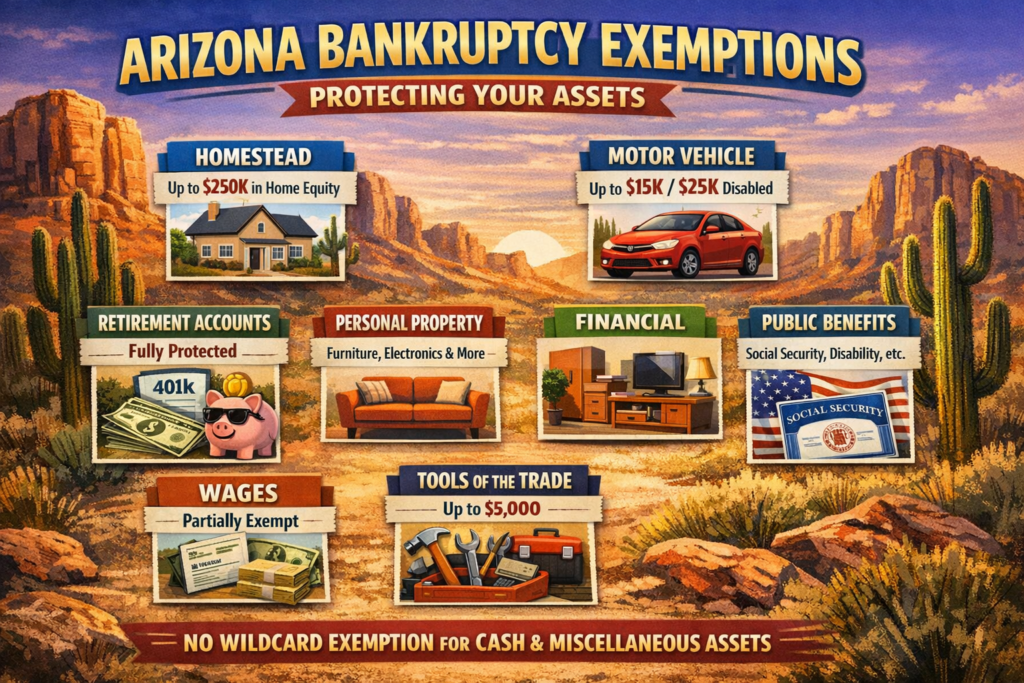
Instead, eligible debts like credit cards and medical bills can be discharged (wiped out), and the person keeps exempt property (property the law protects).
Most Chapter 7 cases are considered “no asset” cases, meaning nothing is taken.
Chapter 13 (the “repayment plan” bankruptcy)
Chapter 13 involves a repayment plan, usually lasting 3 to 5 years.
This is where the “they take your extra money” idea comes from.
In Chapter 13, the court looks at your income and reasonable expenses and determines what you can afford to pay into the plan.
But that does not mean you are expected to live with zero flexibility.
Do You Get to Keep Money for Emergencies?
Yes — but it depends on how the case is structured.
If you file Chapter 13, your monthly budget will be reviewed. The goal is to make sure you’re paying what is fair without making your household impossible to run.
The court generally allows reasonable living expenses, including things like:
- transportation costs
- vehicle maintenance
- medical expenses
- insurance
- childcare
- food and household needs
Many filers can also build in room for periodic or unexpected costs.
What About Saving Money While in Bankruptcy?
Here’s the truth:
You can still have emergency savings while in bankruptcy.
But it must be done properly and realistically.
Some people can even include savings as part of their monthly budget. Others may build savings through tax refunds or by reducing expenses over time.
The key is that the court wants transparency.
Bankruptcy is not about forcing you into financial crisis again — it’s about getting you stable enough to move forward.
What Happens If Something Goes Wrong Mid-Bankruptcy?
Life doesn’t pause because you filed.
If you’re in a Chapter 13 plan and suddenly:
- your car needs a $2,000 repair
- your pet needs surgery
- you lose overtime income
- a medical emergency hits
There may be options, such as:
- modifying your payment plan
- requesting permission to take out a loan
- temporarily suspending payments in certain situations
The system has procedures for this — because emergencies are normal.
The Most Important Thing to Understand: Every Case Is Different
Bankruptcy is not “one-size-fits-all.”
Two people can earn the same amount of money and have completely different outcomes depending on:
- household size
- mortgage or rent amount
- vehicle loans
- child support obligations
- medical costs
- whether they are behind on bills
- how much debt they have
- what state they live in
That’s why online advice can be so misleading.
What you read in a forum might apply to someone in another state, another income bracket, or a completely different chapter of bankruptcy.
The Best Advice: Don’t Let Internet Fear Stop You From Getting Help
If you’re drowning in debt, bankruptcy may be a powerful tool to:
- stop wage garnishments
- stop lawsuits
- stop collection calls
- prevent foreclosure
- eliminate credit card and medical debt
- give you breathing room again
And most importantly:
bankruptcy is often the first step toward finally being able to save money again.
Because once you eliminate the crushing monthly payments, you can start building stability — including emergency savings.
If You’re Thinking About Filing, Talk to a Real Attorney First
If you’re considering bankruptcy and you’re scared because you’ve heard they “take all your extra money,” please know this:
That’s not how bankruptcy works for most people.
But the only way to know what applies to you is to sit down with an experienced bankruptcy attorney who can review:
- your income
- your debts
- your assets
- your goals
A consultation can often provide more clarity in 30 minutes than hours of internet research.
Need Help? Let’s Talk.
If you’re considering bankruptcy and don’t know what to believe, we can walk you through your options and help you understand what to expect — without pressure and without judgment.
You deserve real answers, not scary internet rumors.