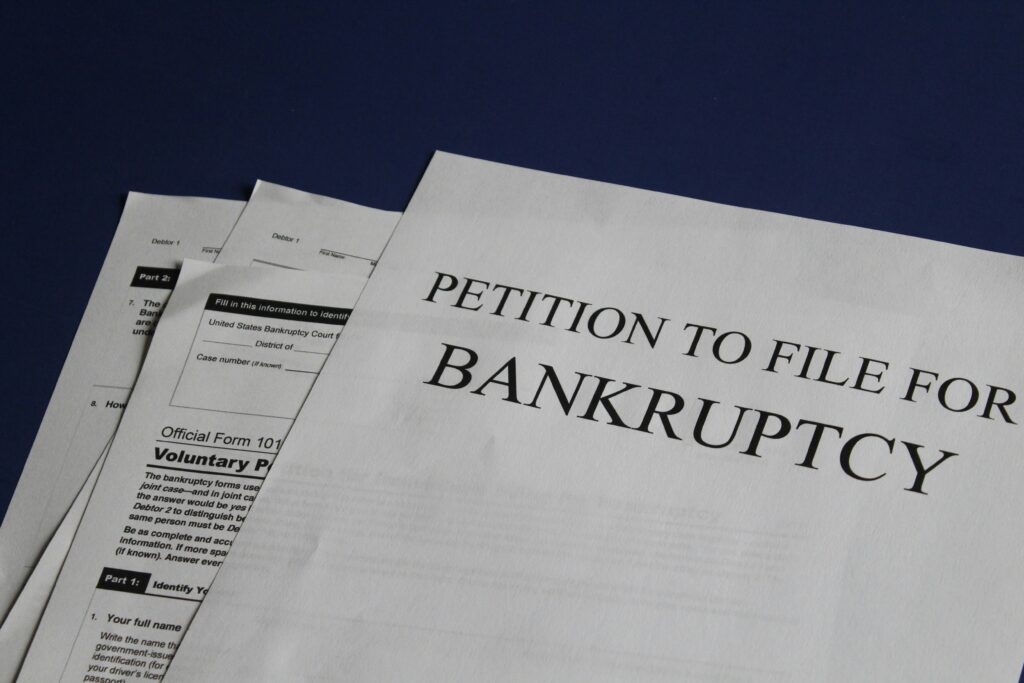
Getting denied for an apartment after bankruptcy can feel defeating — especially when you’re trying to move forward and rebuild.
Many people ask:
- “Is this because of my bankruptcy?”
- “Does this mean I’ll never get approved?”
- “What do I do now?”
First, take a breath.
A denial does not mean you’re out of options.
Here’s what to do next.
Step 1: Find Out Why You Were Denied
If your application was denied, you have the right to ask why.
Common reasons include:
- credit score below the property’s minimum
- bankruptcy appearing on your report
- insufficient income
- lack of rental history
- prior evictions
- unpaid landlord or utility debt
If the denial was based on a credit report, the landlord should provide an adverse action notice telling you which credit bureau was used.
This matters because you need to know whether the issue is fixable.
Step 2: Review Your Credit Report Carefully
After bankruptcy, credit reports are often inaccurate.
Check to see if:
- discharged debts still show balances
- accounts aren’t marked “included in bankruptcy”
- late payments are being reported after filing
- old collections should have been updated
Errors can cause unnecessary denials.
If you find mistakes, dispute them with the credit bureaus.
Step 3: Shift Your Strategy (This Is Key)
If you’re applying to large apartment complexes, know this:
Corporate properties often auto-deny based on credit score alone.
Instead, focus on:
- private landlords
- smaller buildings
- duplexes or triplexes
- individual owners
- second-chance rental programs
Private landlords are more likely to consider the full picture — not just your credit score.
Step 4: Strengthen Your Application
If bankruptcy is the issue, offset it with strengths:
✅ Proof of Income
Bring recent pay stubs or bank statements.
✅ Employment Stability
The longer you’ve been employed, the better.
✅ Savings
Showing cash on hand helps reduce perceived risk.
✅ References
A positive landlord or employer reference can matter more than credit.
✅ Higher Deposit or Prepaid Rent
If allowed by law, offering more upfront can make a big difference.
Step 5: Be Honest — But Brief
You don’t need to overshare.
A simple explanation works best:
“I filed bankruptcy due to a hardship, but it’s complete and my finances are stable now. My income is steady and rent will be my top priority.”
Confidence matters.
Landlords want reliability — not perfection.
Step 6: Consider Short-Term or Alternative Housing (If Needed)
If you need housing quickly, consider:
- month-to-month rentals
- room rentals
- roommate situations
- subleases
- extended-stay options
These can provide stability while your credit continues to improve.
Step 7: Keep Rebuilding (It Helps Faster Than You Think)
Your chances improve quickly after bankruptcy if you:
- pay rent and utilities on time
- rebuild credit responsibly
- keep balances low
- avoid new late payments
Many people are approved within months — not years.
Step 8: Know Your Rights
Landlords cannot:
- discriminate illegally
- deny you without proper notice if credit was used
- refuse to tell you the reason for denial
If something feels wrong, ask questions.
The Bottom Line
If your apartment application was denied after bankruptcy:
❌ It does NOT mean you’re out of options
✅ Many people get approved with the right strategy
✅ Private landlords are often more flexible
✅ Strong income and references matter more than credit alone
Final Thought
Bankruptcy was a reset — not a permanent roadblock.
A denial is frustrating, but it’s often just a signal to adjust your approach.
Keep going. The right place is out there.