If you’ve been sued by a company like Midland Funding, Portfolio Recovery Associates, LVNV Funding, Cavalry SPV, or another debt buyer, you may feel like the case is already lost.
It isn’t.
Debt buyers file thousands of lawsuits every year — and many rely on limited documentation and consumers not responding.
If you file an Answer and raise proper defenses, you may be able to:
- Get the case dismissed
- Reduce the settlement amount
- Prevent a default judgment
- Challenge weak documentation
- Stop wage garnishment before it starts
Here are the Top 10 defenses commonly used in debt buyer lawsuits.
1️⃣ Lack of Standing (They Can’t Prove They Own the Debt)
This is one of the most powerful defenses in debt buyer cases.
Debt buyers do not issue the original credit card. They purchase charged-off debts in bulk.
To win, they must prove:
- The original creditor sold your specific account
- The account was legally transferred
- The chain of ownership is properly documented
Often, debt buyers submit a generic “Bill of Sale” that does not list your account.
If they cannot prove ownership of your specific debt, they may lack standing to sue.
2️⃣ Insufficient Documentation
Debt buyers frequently file lawsuits with minimal evidence.
To win, they must prove:
- The debt exists
- The balance is accurate
- The account belongs to you
Common documentation problems include:
- Missing account statements
- No itemized balance
- No payment history
- No proof of how interest was calculated
- Generic account summaries
If they cannot produce admissible documentation, they may not be able to meet their burden of proof.
3️⃣ Statute of Limitations (The Debt Is Too Old)
Every state has a statute of limitations for credit card debt lawsuits.
If too much time has passed since:
- The last payment
- The date of default
The debt may be legally time-barred.
Debt buyers sometimes file lawsuits near — or even after — the deadline, hoping the consumer will not respond.
If the statute of limitations has expired, this can be a complete defense.
4️⃣ Improper Service
You must be properly served with court papers.
If you were:
- Served at the wrong address
- Not personally served when required
- Served through “sewer service”
- Served on someone else
You may have a defense based on improper service.
This is especially important if a default judgment has already been entered.
5️⃣ Mistaken Identity or Identity Theft
Debt buyers sometimes sue the wrong person.
This can happen due to:
- Similar names
- Mixed credit files
- Incorrect Social Security numbers
- Identity theft
- Old addresses
If the debt is not yours, you must still respond to the lawsuit — but mistaken identity can be a strong defense.
6️⃣ Failure to State a Claim
Some debt buyer complaints are vague and generic.
They may fail to properly allege:
- The basis of the contract
- Specific account details
- How the balance was calculated
- Proof of ownership
Depending on court rules, a complaint that lacks sufficient detail may be challenged.
7️⃣ Hearsay and Inadmissible Evidence
Debt buyers often rely on:
- Business records affidavits
- Account summaries
- Affidavits from employees who did not create the original records
These documents may raise hearsay issues if:
- The witness lacks personal knowledge
- The records are not properly authenticated
- The plaintiff relies on records created by another company
In court, evidence must meet certain standards. Weak evidentiary foundations can be challenged.
8️⃣ Incorrect Balance or Inflated Amount
Debt buyer lawsuits sometimes include:
- Unverified interest
- Attorney fees not permitted by contract
- Collection fees
- Incorrect calculations
If the amount appears inflated or unsupported by documentation, this may reduce the claim or support dismissal.
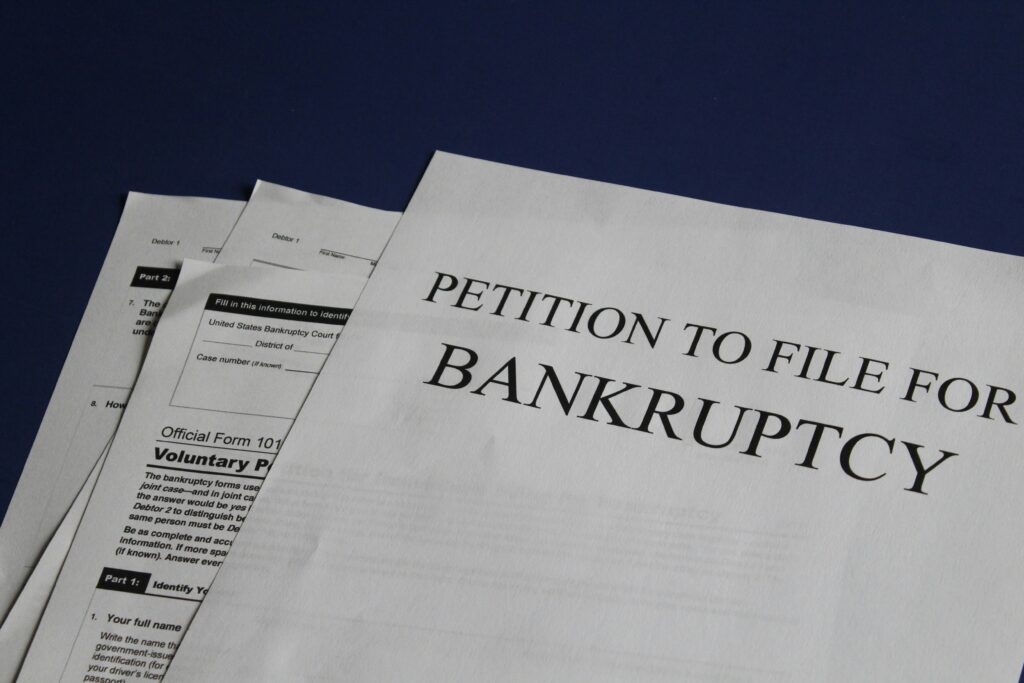
9️⃣ Payment, Settlement, or Bankruptcy Discharge
The debt may already have been:
- Paid
- Settled
- Included in bankruptcy
- Discharged in Chapter 7 or Chapter 13
Debt buyers sometimes sue on accounts that were previously resolved.
If you have documentation showing the debt was satisfied or discharged, this may be a complete defense.
🔟 Counterclaims Under Consumer Protection Laws
In some cases, the lawsuit or collection conduct may violate federal or state law.
Possible counterclaims may involve:
- FDCPA (Fair Debt Collection Practices Act) violations
- FCRA (Fair Credit Reporting Act) violations
- Suing on time-barred debt
- Misrepresenting the amount owed
- Improper collection communications
A counterclaim may increase leverage and change the dynamics of the case.
Important: The Biggest Mistake Is Ignoring the Lawsuit
Even if you have strong defenses, they mean nothing if you fail to respond.
If you do not file an Answer:
- The debt buyer may obtain a default judgment
- You lose the chance to assert defenses
- Wage garnishment may follow
- Bank accounts may be frozen (depending on state law)
Filing an Answer preserves your rights.
What Happens After You Raise Defenses?
If you assert defenses properly, several things may happen:
- The debt buyer may dismiss the case
- They may offer a reduced settlement
- They may struggle to produce documents
- The case may proceed to trial
Many debt buyer cases are resolved after the consumer files an Answer and forces proof.
Frequently Asked Questions
Can I really beat a debt buyer?
Yes. Many debt buyer lawsuits rely on limited documentation. Responding and raising defenses often improves outcomes.
What if the debt is mine?
Even if the debt is yours, the plaintiff must prove ownership, amount, and timeliness.
Should I request a jury trial?
In some cases, a jury demand can increase leverage, but it also increases complexity. It depends on strategy and jurisdiction.
What if I already missed the deadline?
You may still have options to challenge default judgment, but time is critical.
The Bottom Line
Debt buyers like Midland Funding, Portfolio Recovery, and LVNV Funding must prove:
- They own your specific debt
- The amount is accurate
- The debt belongs to you
- The lawsuit is timely
- The evidence is admissible
If they cannot meet these requirements, you may have strong defenses.
But those defenses only matter if you respond before the deadline.
Need Help With a Debt Buyer Lawsuit?
If you’ve been sued by a debt buyer, you may have options to:
- File an Answer
- Assert defenses
- Challenge missing documents
- Raise statute of limitations issues
- Negotiate a reduced settlement
- Prevent default judgment
Acting quickly can preserve your leverage and protect your rights.