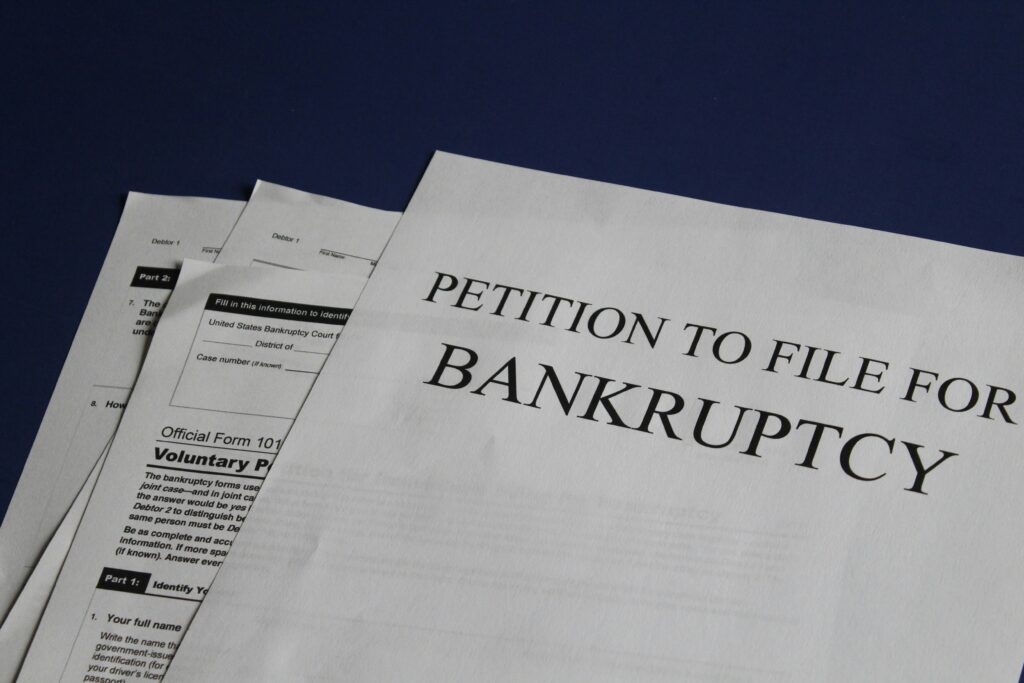
When you file bankruptcy (Chapter 7 or Chapter 13), the bankruptcy court issues an automatic stay and a trustee is assigned to your case.
Banks may respond by freezing accounts because they:
- receive notice of the bankruptcy filing, and/or
- see the bankruptcy in their system, and/or
- have internal policies that restrict access to funds when bankruptcy is filed
Even if your account is in good standing, some banks freeze accounts automatically until they determine:
- whether the funds are part of the bankruptcy estate, and
- whether the trustee has any interest in the balance
Important point:
A bank freeze does not necessarily mean:
- you’re in trouble
- your case is being denied
- you did something wrong
It is often a policy issue — not a legal finding.
Common Reasons Bank Accounts Get Frozen After Bankruptcy
1) The bank has an automatic “bankruptcy freeze” policy
Some banks restrict accounts simply because bankruptcy was filed. This can happen even if:
- the account has no overdrafts
- you are not behind on anything
- you don’t owe the bank money
This is common with larger national banks.
2) The bank thinks the trustee may need access to the funds
In Chapter 7, the trustee reviews your financial situation, including money in your accounts on the date of filing.
Banks may freeze funds until they get:
- confirmation from the trustee, or
- confirmation from your attorney, or
- documentation about exemptions
3) You owe the bank money (and they may be trying to protect themselves)
If you owe the same bank money — for example:
- a credit card
- a personal loan
- a line of credit
- an overdraft balance
— the bank may freeze your funds due to a concept called setoff.
Setoff is when a bank takes money from your account to pay itself for debts you owe it.
Whether setoff is allowed depends on timing and bankruptcy rules, but if you owe the bank, you should assume the bank may freeze the account.
4) The bank is listed as a creditor in your bankruptcy
Even if the bank is only a creditor through a credit card or loan, it can trigger restrictions on your deposit account.
5) The bank froze the account because your name is on a joint account
If you share an account with a spouse, parent, or family member, and your name is on it, the bank may freeze it because bankruptcy was filed under your name.
This can create serious problems for families — and it’s one reason we recommend planning before filing.
Is This More Common in Chapter 7 or Chapter 13?
Chapter 7
Bank freezes are more common in Chapter 7 because:
- the trustee is evaluating assets
- money in accounts can be treated as part of the bankruptcy estate
Chapter 13
It can still happen in Chapter 13, but it’s less common.
What Should I Do If My Bank Account Is Frozen After Bankruptcy?
If your bank account is frozen, take these steps immediately:
Step 1: Do not panic — and do not withdraw cash “just in case”
Large withdrawals right before or right after filing can create complications.
Instead, document what’s happening and contact your attorney.
Step 2: Call the bank and ask exactly why the account is frozen
Ask the bank:
- Is the account frozen due to bankruptcy?
- Is the freeze temporary or permanent?
- What department handles bankruptcy restrictions?
- What documents do you need to release the funds?
Write down:
- the name of the person you spoke to
- the date/time
- what they told you
Step 3: Contact your bankruptcy attorney immediately
This is not a DIY issue.
Your attorney may need to:
- contact the bank’s bankruptcy department
- contact the trustee
- provide proof of exemptions
- request a release letter
Step 4: If you need access to money for essentials, tell your attorney right away
If you cannot pay for:
- rent/mortgage
- utilities
- food
- gas
- child care
- prescriptions
— that is urgent, and we want to know immediately.
Step 5: Open a new bank account (if appropriate)
In many cases, clients can open a new account at a different bank/credit union.
Important: We typically recommend choosing a bank where you do not owe money.
Can the Bank Keep My Money?
Usually, no — but it depends on the reason for the freeze.
If the freeze is just “bank policy”
The funds are typically released after the bank gets clarity that:
- the trustee does not need the funds, or
- the funds are exempt, or
- the trustee authorizes release
If the bank is attempting setoff
This becomes more complicated and needs legal attention quickly.
How Long Does a Bankruptcy Bank Freeze Last?
It varies, but common timeframes are:
- a few days
- 1–2 weeks
- occasionally longer if the bank demands documentation
The fastest way to resolve it is usually attorney involvement with the correct documentation.
How to Prevent This Problem Before Filing Bankruptcy
If you are considering bankruptcy, planning ahead can reduce the risk of a frozen account.
Common prevention strategies
- Open a new account at a bank/credit union you don’t owe money to
- Move direct deposit before filing
- Switch autopay bills
- Keep a small emergency cushion in an accessible form
- Avoid filing right before large deposits (bonus, tax refund, etc.)
FAQ: Bank Account Frozen After Bankruptcy
Why is my bank account frozen after filing Chapter 7?
Often because the bank believes the trustee may have an interest in funds in the account, or due to internal bank policy.
Can I use my debit card after filing bankruptcy?
Sometimes yes, sometimes no. If your bank freezes the account, the debit card will usually stop working.
Should I withdraw all my money before filing bankruptcy?
Not without legal advice. Large withdrawals can create serious issues and may appear suspicious to the trustee.
Will bankruptcy close my bank account permanently?
Some banks close accounts permanently after bankruptcy notice. Others freeze temporarily and later restore access.
Can I open a new bank account after filing bankruptcy?
Yes, in most cases. Many people do.
Can my bank take money from my account if I owe them on a credit card?
Possibly through setoff. This is a serious issue and you should speak to your attorney immediately.
Bottom Line: A Frozen Account Is Scary — But It’s Often Fixable
If your bank froze your account after bankruptcy, it does not automatically mean something went wrong.
But it does mean you should take action quickly and strategically.
At Ginsburg Law Group, we help clients navigate the real-world consequences of bankruptcy — not just the paperwork. If your bank account has been frozen after filing bankruptcy, we can help you understand why it happened and what to do next.
Contact Ginsburg Law Group today to schedule a consultation.