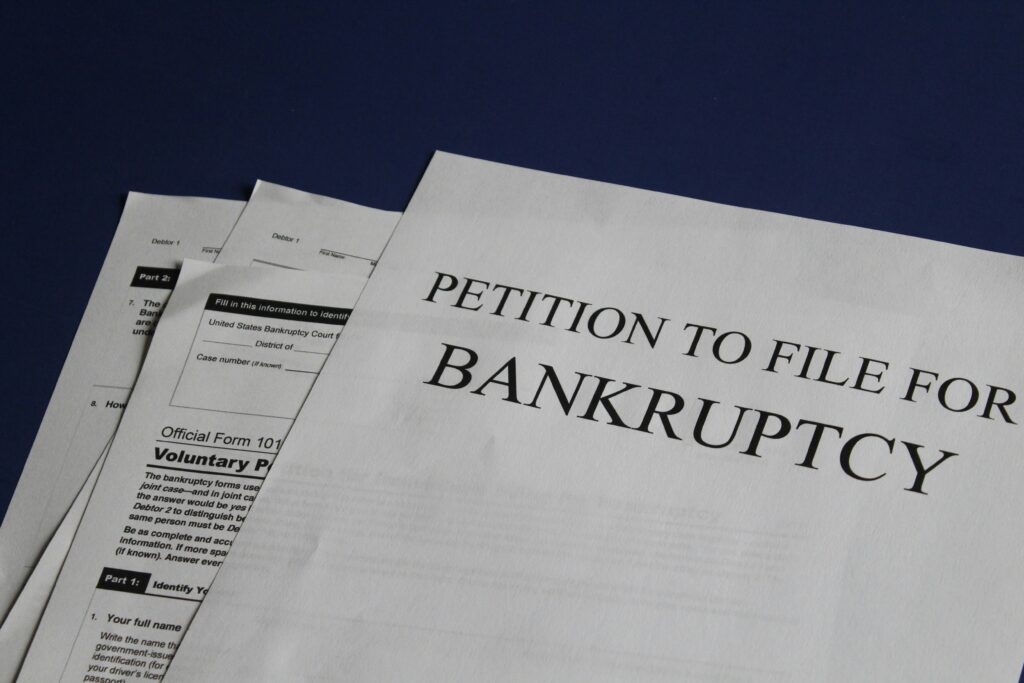
When overwhelming debt starts to control your life, bankruptcy may provide the legal relief you need to regain financial stability. For many individuals and families, filing bankruptcy is not a failure—it is a powerful financial tool designed to stop creditor harassment, eliminate unsecured debt, and protect essential assets.
If you are struggling with credit card debt, medical bills, lawsuits, wage garnishments, or foreclosure, speaking with an experienced bankruptcy attorney can help you understand your options and decide whether bankruptcy is right for you.
What Is Bankruptcy?
Bankruptcy is a federal legal process that allows individuals and businesses to eliminate or reorganize debt under the protection of the court. The goal of bankruptcy is to give honest debtors a fresh financial start while treating creditors fairly.
The most common types of consumer bankruptcy are Chapter 7 bankruptcy and Chapter 13 bankruptcy.
Chapter 7 Bankruptcy: Eliminating Unsecured Debt
Chapter 7 bankruptcy, often called “liquidation bankruptcy,” is designed to eliminate most unsecured debts quickly. Many Chapter 7 cases are completed in as little as three to four months.
Debts Commonly Discharged in Chapter 7
- Credit card debt
- Medical bills
- Personal loans
- Payday loans
- Utility arrears
- Old judgments
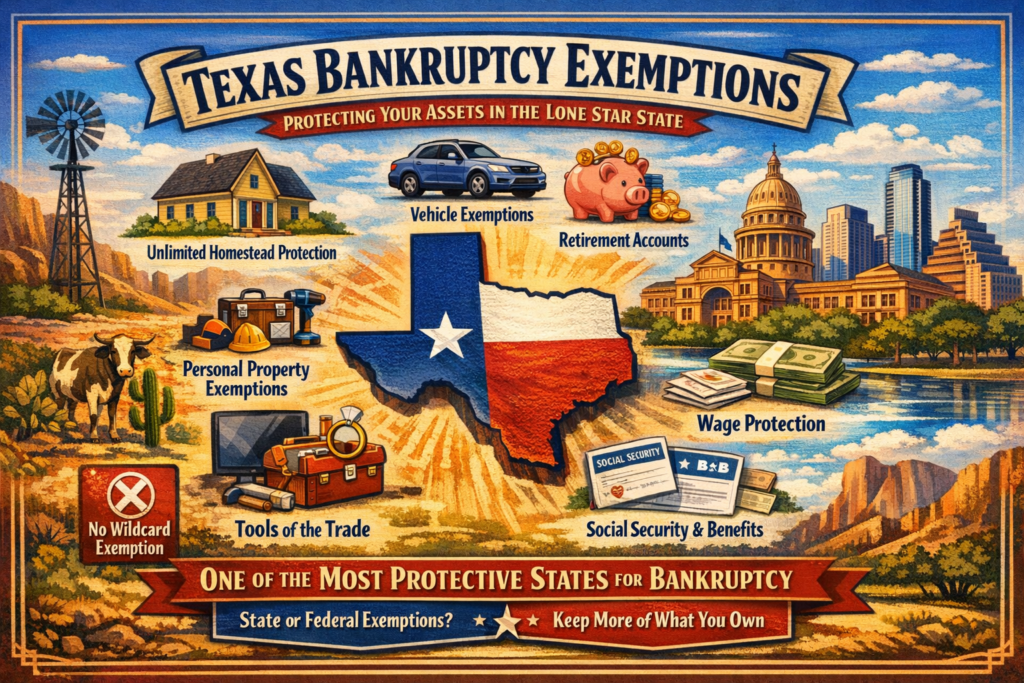
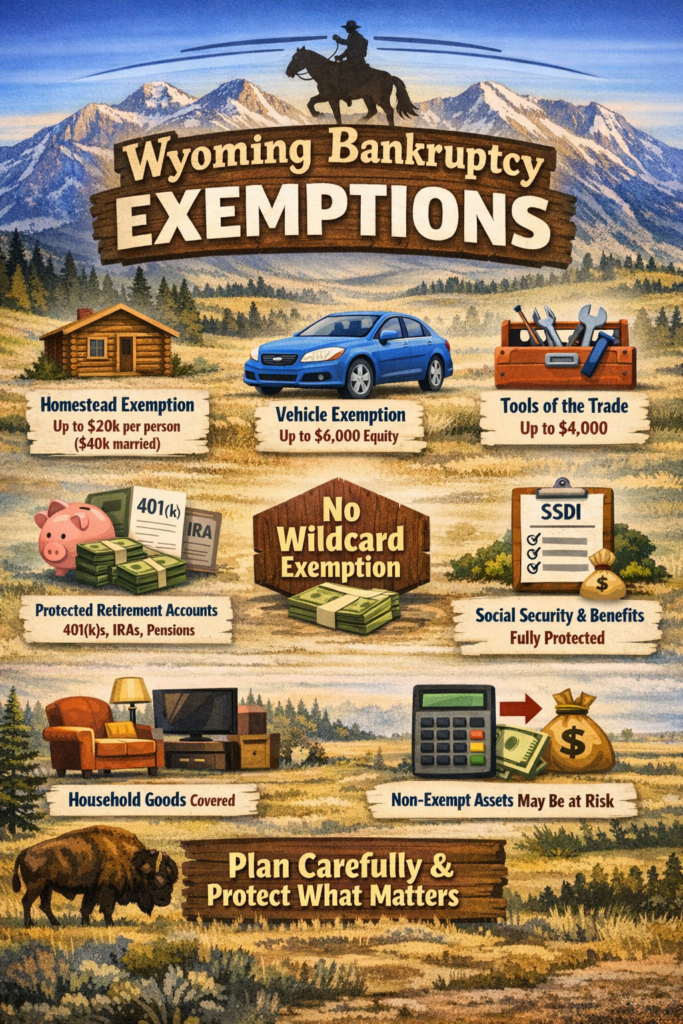
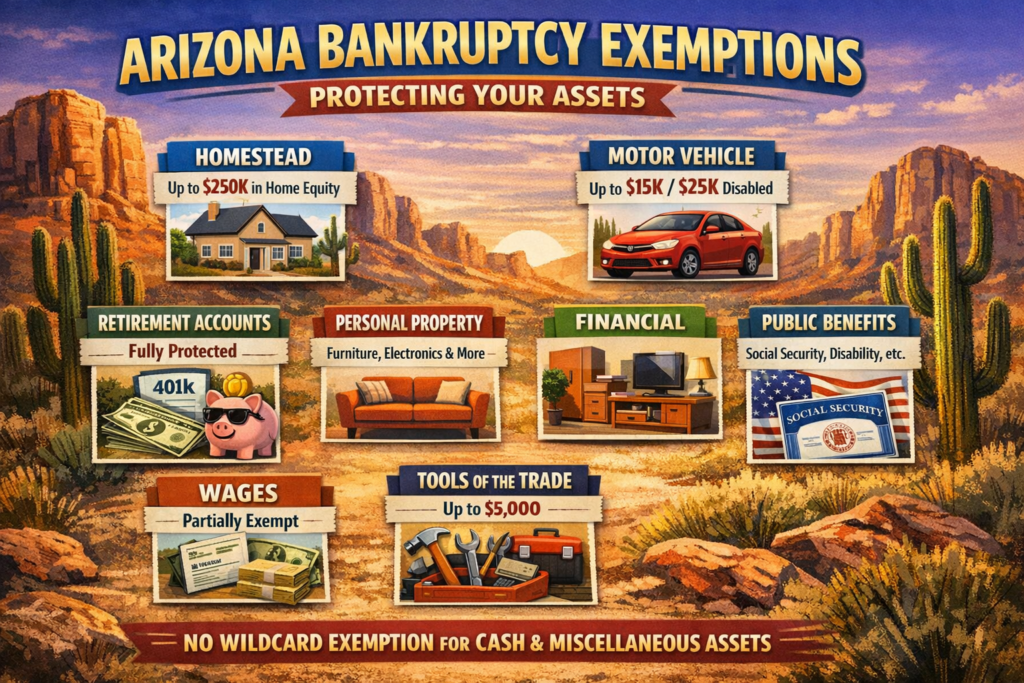
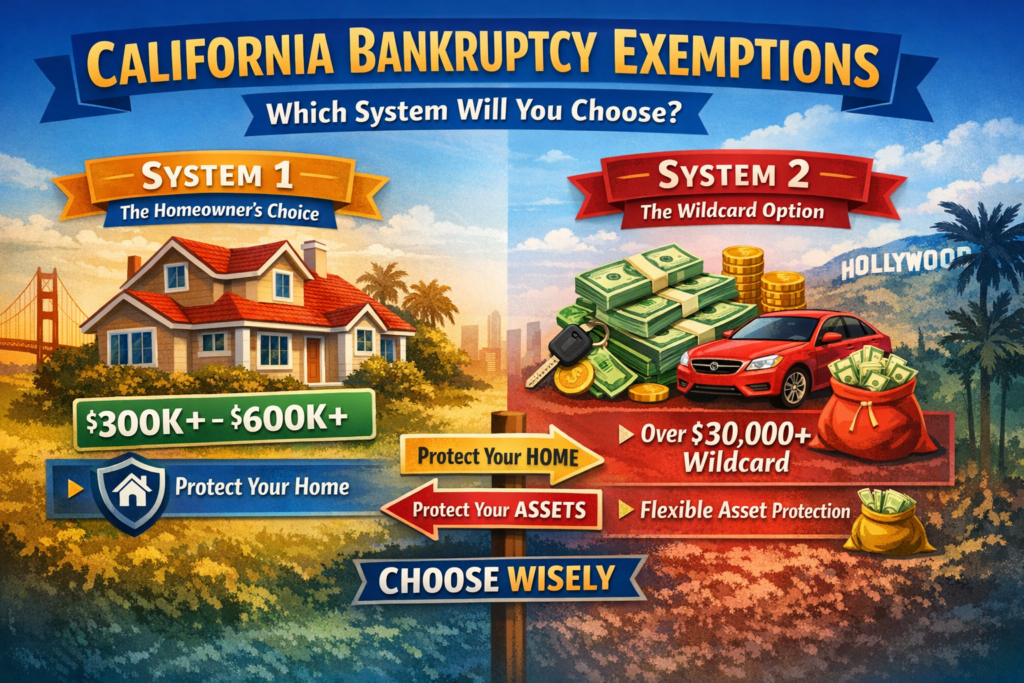
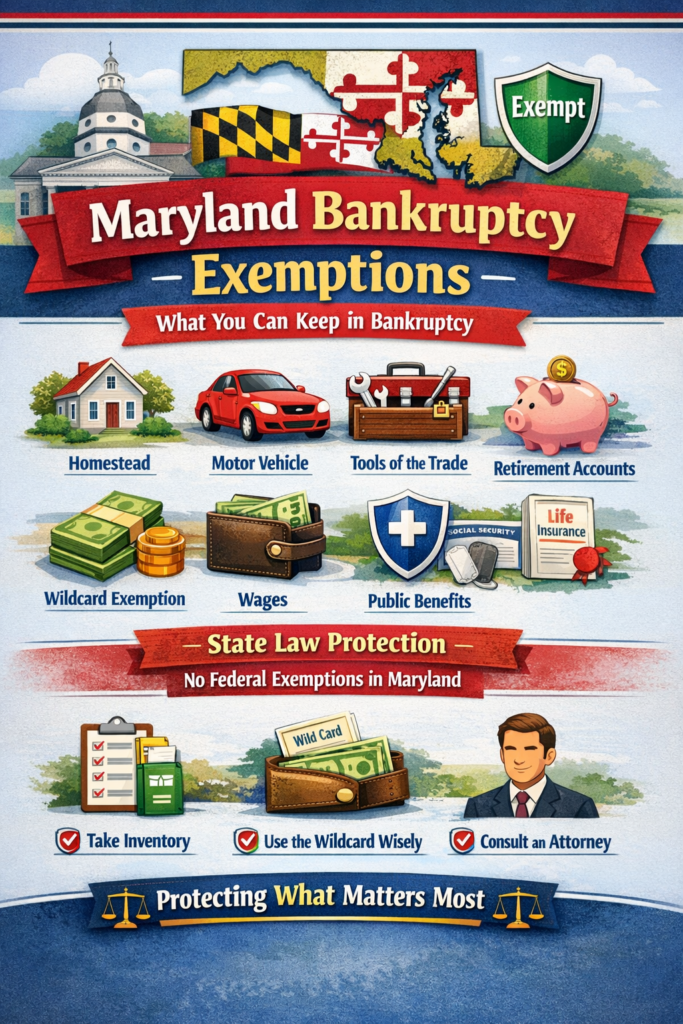
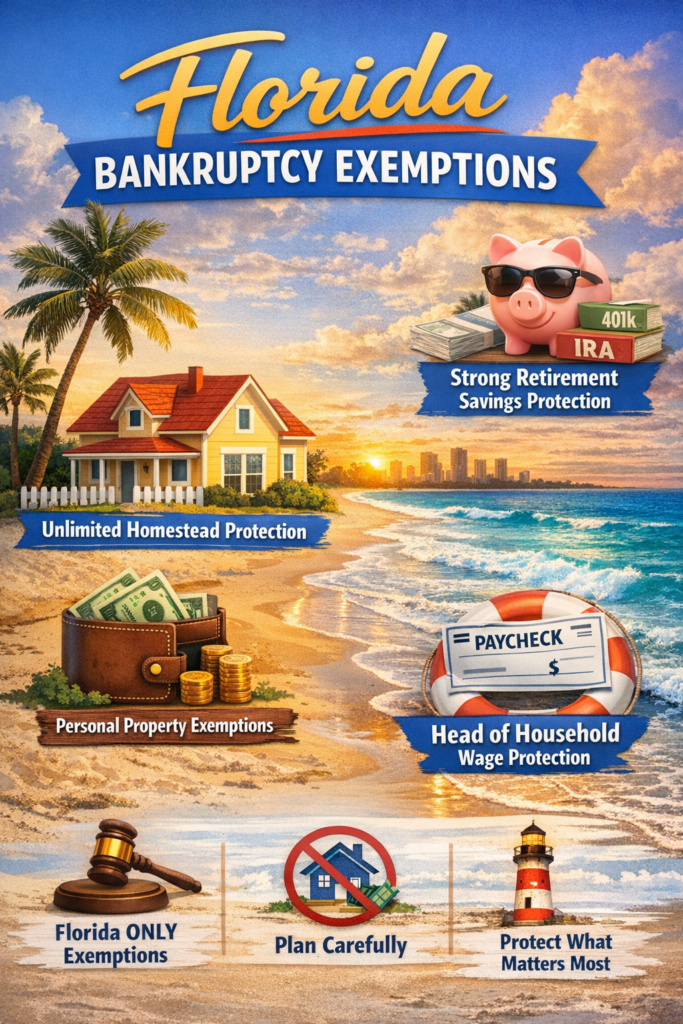
Most people who file Chapter 7 do not lose their home, car, or personal property, thanks to state and federal bankruptcy exemptions.
Who Qualifies for Chapter 7?
Eligibility is determined by the bankruptcy means test, which compares your income to the median income for your household size. Even if your income is above the median, you may still qualify based on allowable expenses.
A bankruptcy lawyer can evaluate your income, assets, and debts to determine if Chapter 7 is the right option.
Chapter 13 Bankruptcy: Repayment With Protection
Chapter 13 bankruptcy is a reorganization plan that allows individuals with regular income to repay some or all of their debts over three to five years.
Chapter 13 is often used to:
- Stop foreclosure and catch up on mortgage arrears
- Prevent vehicle repossession
- Pay back taxes over time
- Consolidate debt into one manageable payment
Unlike Chapter 7, Chapter 13 allows you to keep your property while repaying debts under court supervision.Immediate Benefits of Filing Bankruptcy
Filing bankruptcy triggers an automatic stay, which immediately stops:
- Debt collection calls and letters
- Lawsuits and judgments
- Wage garnishments
- Bank levies
- Foreclosure and repossession actions
Creditors who violate the automatic stay may face serious penalties.
Will Bankruptcy Ruin My Credit?
While bankruptcy does appear on your credit report, many clients are surprised to learn that their credit often improves faster after bankruptcy than if they continue falling behind on debts.
Missed payments, collections, charge-offs, and judgments already damage your credit. Bankruptcy eliminates those debts and allows you to rebuild with a clean slate.
Many people qualify for new credit within months of discharge, and mortgage eligibility may return within a few years.
Common Bankruptcy Myths
“I’ll lose everything.”
Most filers keep all or most of their property.
“Only irresponsible people file bankruptcy.”
Medical emergencies, job loss, divorce, and economic downturns are the leading causes of bankruptcy.
“I make too much money to file.”
Income alone does not disqualify you from bankruptcy protection.
Why You Should Hire a Bankruptcy Attorney
Bankruptcy law is complex, and mistakes can be costly. An experienced bankruptcy lawyer can:
- Determine the best chapter for your situation
- Protect your assets using exemptions
- Stop aggressive creditors immediately
- Ensure accurate and complete filings
- Guide you through every step of the process
Filing without legal guidance can result in dismissed cases, lost property, or debts that are not discharged.
Is Bankruptcy Right for You?
Bankruptcy is not a one-size-fits-all solution, but for many consumers, it offers the fastest and most effective path out of debt. If you are behind on bills, facing lawsuits, or feeling trapped by creditors, you do not have to face it alone.
A consultation with a qualified bankruptcy attorney can help you understand your rights, evaluate your options, and decide on the best path forward.
Speak With a Bankruptcy Attorney Today
If debt is overwhelming your life, now is the time to take action. Bankruptcy exists to help people move forward—not to punish them.
Contact our office today to schedule a confidential consultation and learn how bankruptcy may help you regain control of your financial future.