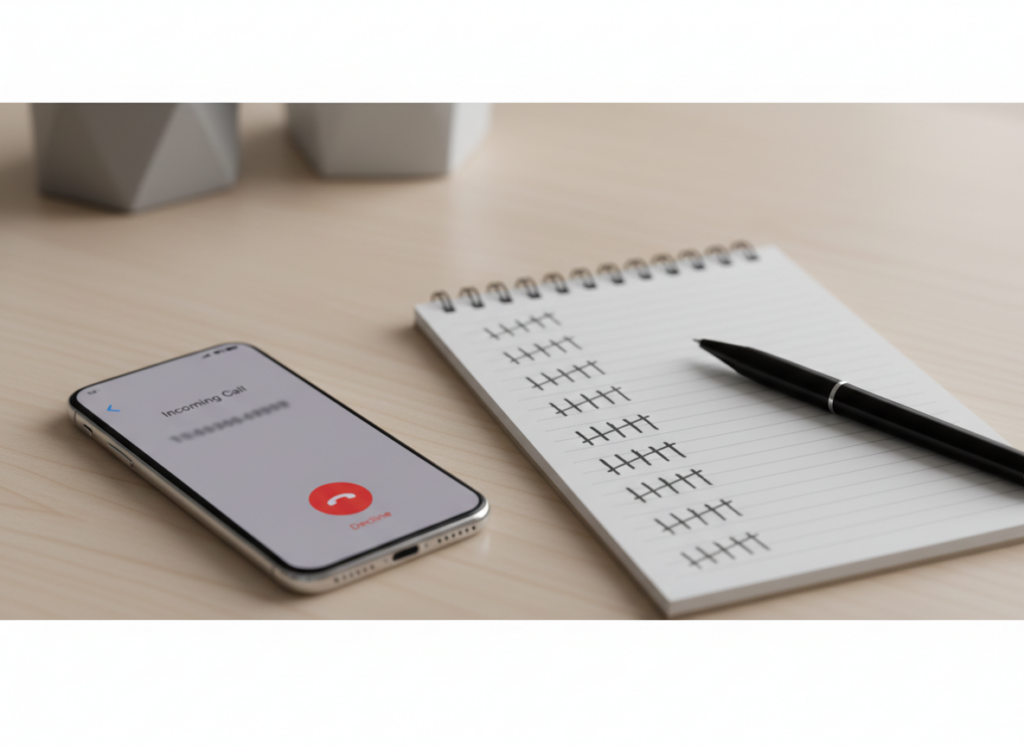
If you’ve ever looked down at your phone and seen a number that just… didn’t look right, you’re not alone.
Maybe it was something like:
- 999-9999
- 000-0000
- Or a number that looks real—but somehow feels off
Most people shrug it off as just another spam call.
But in some cases, it’s not just spam.
👉 It’s a tactic.
And it’s one that raises serious concerns under consumer protection laws like the Telephone Consumer Protection Act (TCPA).
Let’s break down what’s really going on—and why it matters more than you might think.
What Is the “999-9999” Trick?
At its core, this tactic involves manipulating caller ID information so that the number displayed on your phone is:
- Fake
- Incomplete
- Or intentionally misleading
Instead of showing a real, traceable number, the system displays something like 999-9999 or another placeholder-style number.
Why would a company do this?
Because when you don’t know who’s calling:
- You can’t call them back
- You can’t identify the company
- You can’t effectively opt out
And most importantly…
👉 It makes it much harder to hold anyone accountable.
Why This Is More Than Just Annoying
Let’s be clear: robocalls are annoying.
But this goes beyond annoyance.
When caller ID information is manipulated, it can interfere with your legal rights as a consumer.
Federal law generally requires that telemarketing calls:
✔ Identify the caller
✔ Provide a way to contact them
✔ Allow you to opt out
When that information is hidden or falsified?
👉 That’s where things start to cross the line.
Because now, it’s not just a call.
It’s a system designed to:
- Avoid detection
- Prevent opt-outs
- Limit accountability
The Bigger System Behind the Calls
Here’s what most people don’t realize:
These calls rarely come from just one company.
Instead, they’re often part of a larger marketing ecosystem that includes:
- Lead generators
- Data brokers
- Marketing platforms
- Call centers (sometimes offshore)
- End-user companies buying the leads
Your information may be:
- Collected online (often through forms or sweepstakes-style ads)
- Sold or shared with multiple parties
- Used to generate calls or texts from different entities
So when your phone rings?
👉 You’re not just hearing from one company.
👉 You’re hearing from an entire pipeline.
And when something like the “999-9999” trick is used…
It can be a sign that someone in that pipeline is trying to stay hidden.
Why Companies Might Use This Tactic
Let’s talk about incentives.
Because this doesn’t happen by accident.
Companies may use misleading caller ID practices to:
1. Increase Answer Rates
People are more likely to answer calls that:
- Look local
- Look unusual
- Or don’t look like obvious spam
Even a strange number can trigger curiosity.
2. Avoid Call Blocking
Carriers and apps are constantly trying to block spam calls.
If a number is:
- Reused
- Rotated
- Or disguised
It can slip through those filters.
3. Prevent Callbacks and Complaints
If you can’t call the number back:
- You can’t complain directly
- You can’t demand removal
- You can’t identify the caller
That’s not a bug.
👉 That’s the point.
4. Complicate Legal Accountability
From a legal perspective, identifying the caller is critical.
If the number is fake or misleading:
- It becomes harder to trace the source
- Harder to prove who initiated the call
- Harder for consumers to enforce their rights
Again—this isn’t accidental.
What the Law Says
Under federal law, including the TCPA and related regulations, telemarketing calls must follow certain rules.
While the details can get technical, the core idea is simple:
👉 Consumers have the right to know who is contacting them.
That includes:
- Accurate caller identification
- Clear disclosure of the caller’s identity
- A way to opt out of future communications
When companies use tactics to obscure that information, they may be violating those rules.
And in some cases, those violations can lead to:
- Individual lawsuits
- Class actions
- Statutory damages
Real-World Impact on Consumers
Let’s bring this back to reality.
If you’re on the receiving end of these calls, you might experience:
📞 Multiple calls per day
📞 Calls from constantly changing numbers
📞 No clear way to stop them
📞 Messages from companies you’ve never heard of
You might try to:
- Block the number
- Register on the Do Not Call list
- Ask to be removed
And yet…
👉 The calls keep coming.
That’s often because your information is being circulated across multiple entities—and the caller ID tactics are designed to keep you from getting to the source.
Why Courts Are Paying Attention
Courts are increasingly aware that modern telemarketing isn’t as simple as it used to be.
It’s not just:
“One company calling one consumer.”
It’s:
- Multi-layered
- Data-driven
- Often intentionally opaque
And when tactics like fake caller IDs are involved, courts may view that as evidence of:
👉 A broader effort to evade compliance.
In other words, the more a system is designed to hide itself…
The more scrutiny it may attract.
What You Can Do as a Consumer
If you’re receiving calls that look suspicious, here are a few practical steps:
✔ Document What You Receive
Keep records of:
- Dates and times of calls
- Phone numbers displayed
- Any voicemails or messages
This can be important if you decide to take action.
✔ Don’t Engage With Unknown Callers
Avoid:
- Providing personal information
- Confirming details
- Pressing buttons to “opt out” (in some cases, this can lead to more calls)
✔ Register on the Do Not Call List
It’s not a perfect solution, but it can:
- Reduce legitimate telemarketing calls
- Strengthen potential legal claims if calls continue
✔ Pay Attention to Patterns
Are the calls:
- Frequent?
- Coming from similar types of numbers?
- Clearly unrelated to any business you’ve interacted with?
Patterns matter.
✔ Know That You Have Rights
This is the most important point.
Consumers are not powerless here.
If companies are:
- Calling without proper consent
- Using misleading caller ID information
- Ignoring opt-out requests
👉 There may be legal remedies available.
The Bigger Picture: Accountability in a Digital Age
At the end of the day, this isn’t just about one number or one call.
It’s about how modern marketing systems operate.
Technology has made it easier than ever to:
- Reach consumers
- Scale outreach
- Automate communication
But with that power comes responsibility.
And when companies use that technology to:
- Hide who they are
- Avoid compliance
- Shift blame
That’s when consumer protection laws step in.
Final Thought: If It Feels Off, It Probably Is
Most people have a gut reaction when they see a strange number pop up.
Something feels off.
And more often than not?
That instinct is right.
Because legitimate businesses don’t need to hide who they are.
They don’t need fake numbers.
They don’t need to make it impossible for you to call them back.
So the next time you see something like “999-9999” on your screen…
Don’t just ignore it.
Recognize it for what it might be:
👉 A sign that the system behind the call isn’t playing by the rules.
And if that’s the case?
You may have more options than you think.