The quick takeaway
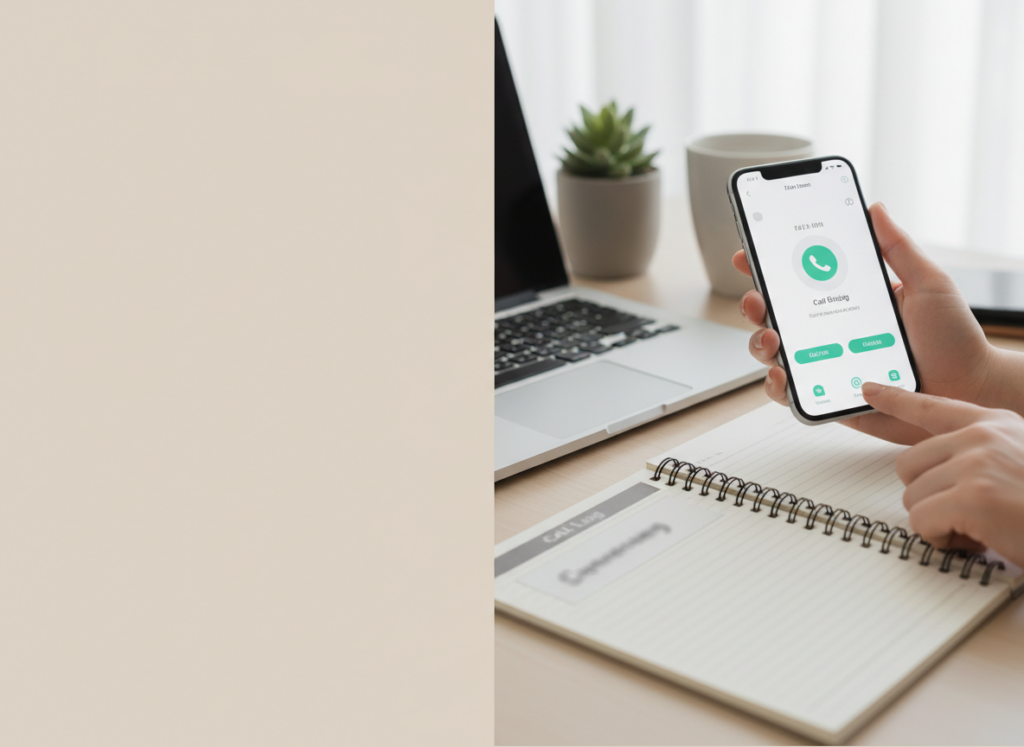
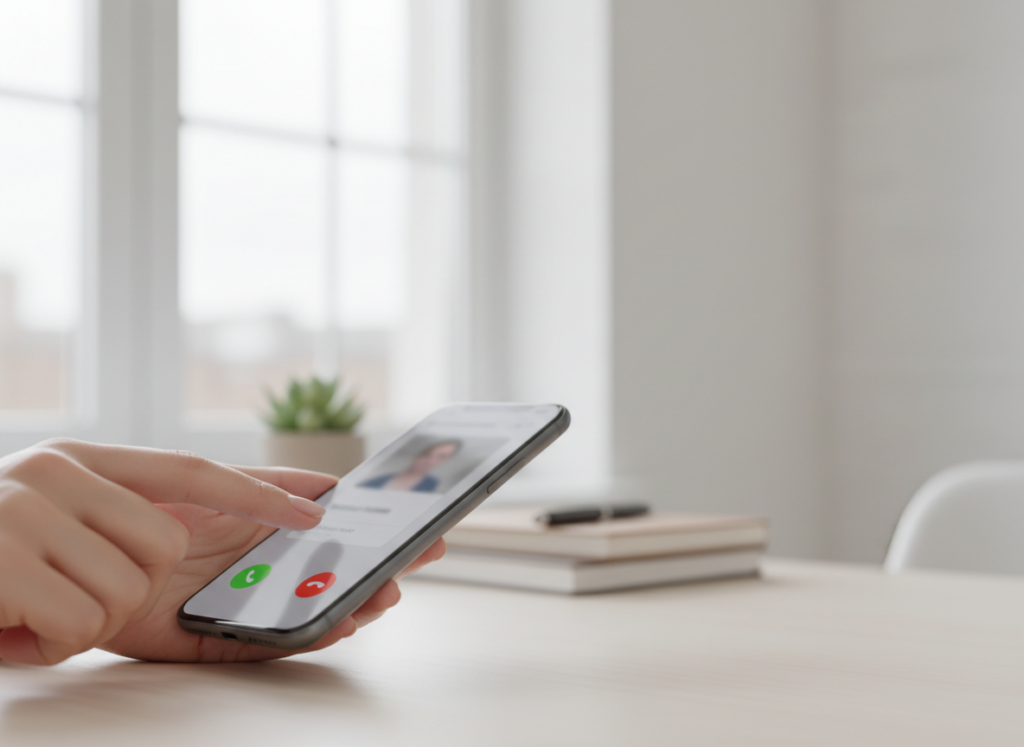
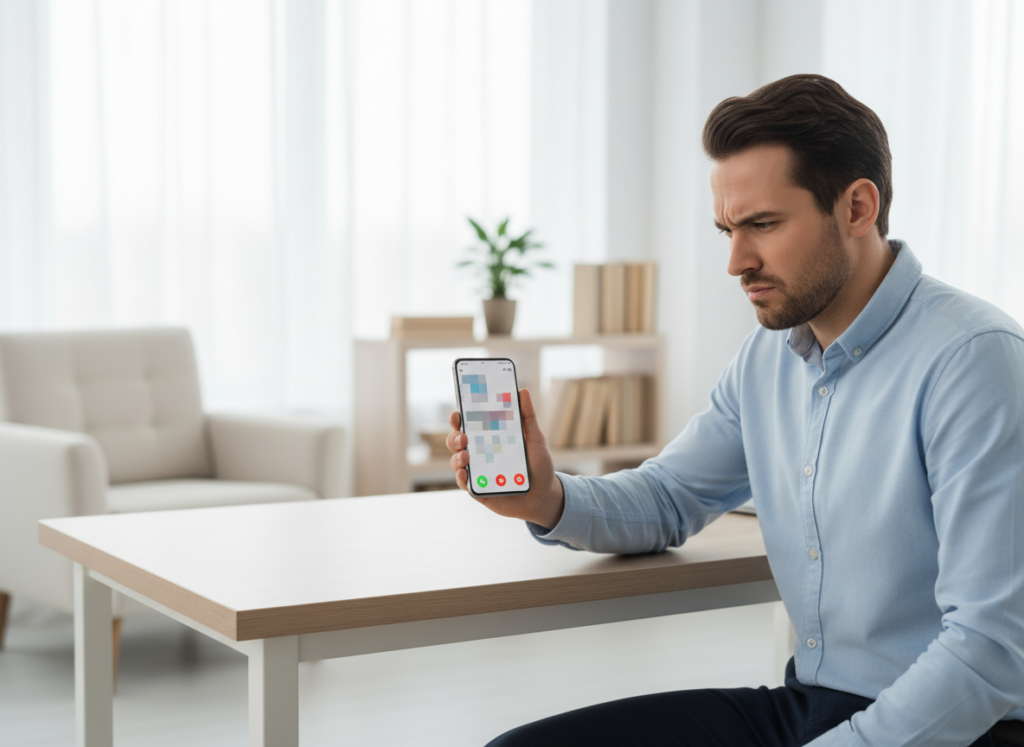
Robocalls and unwanted texts can be more than an annoyance. If you want to explore your options, focus on creating a clean, organized record—without oversharing personal information.
What the TCPA is (plain English)
The Telephone Consumer Protection Act (TCPA) is a federal law that regulates certain automated calls and texts.
People often ask:
- “Does this count if I gave my number once?”
- “What if I asked them to stop?”
- “What if it’s political or a charity?”
The answers can depend on the sender, the technology used, and the circumstances.
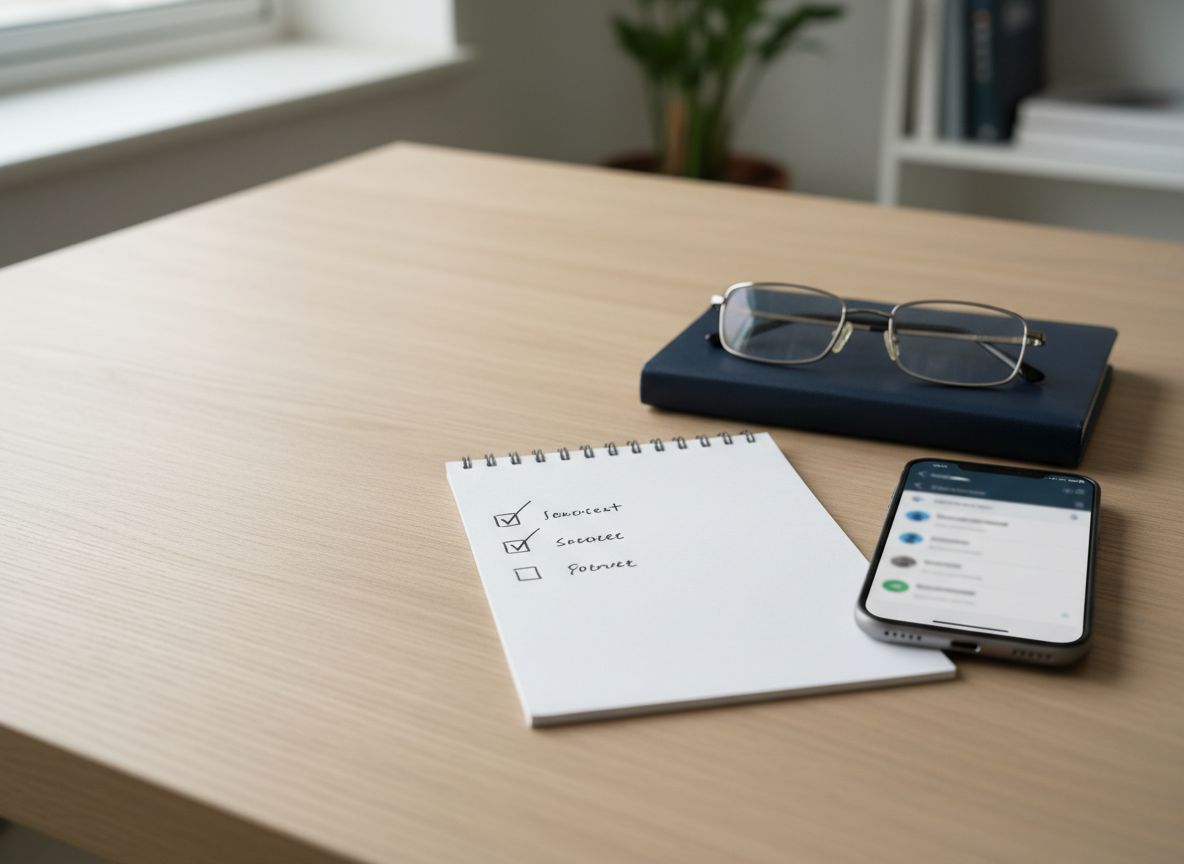
Your TCPA evidence checklist
Save the message itself
- Screenshot the full text thread
- Include the phone number and timestamps
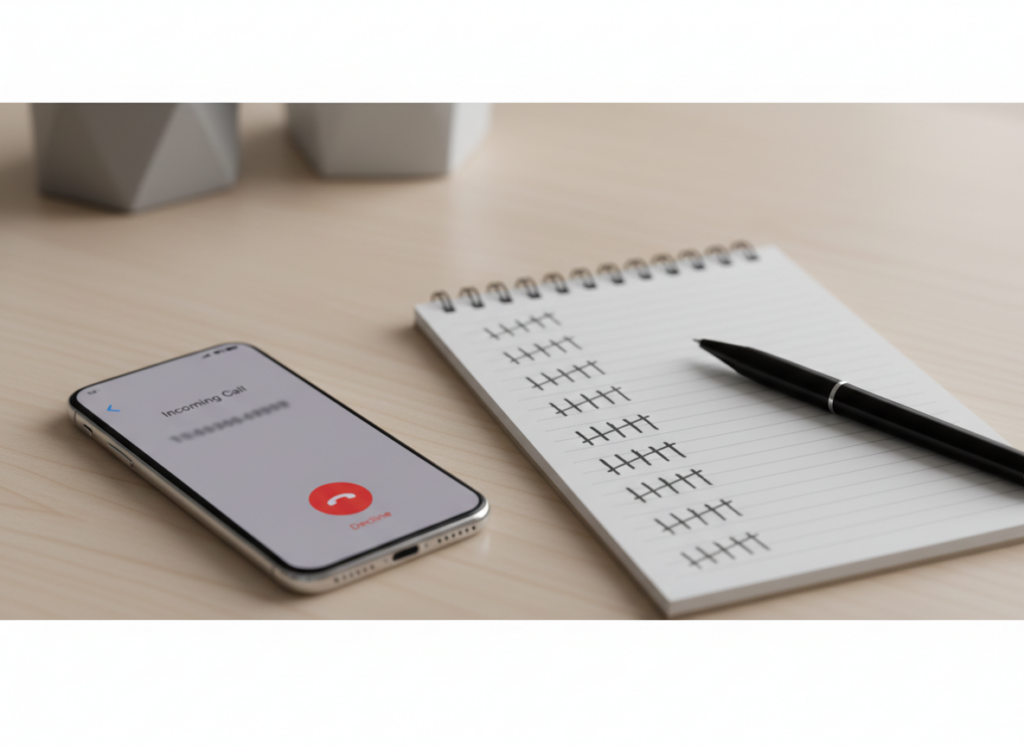
Track frequency
Make a simple tally:
- Date
- Time
- Number
- Type (call/text)
Preserve voicemails
- Save audio files if your phone allows
- Note whether it sounds prerecorded
Document opt-out attempts
If you replied “STOP” or asked them to stop calling:
- Screenshot your opt-out
- Screenshot any confirmation message
Privacy-safe documentation tips
- Do not post screenshots publicly with your name/number visible
- If you share records with an attorney, provide them securely
- Avoid sending sensitive information to unknown “claims” websites
Common pitfalls
- Deleting threads to “clean up” your phone
- Only saving one screenshot (missing timestamps)
- Mixing multiple senders into one record without labeling
If you’re receiving repeated robocalls or texts and want to know whether the TCPA may apply, Ginsburg Law Group, PC can review your call/text record and help you understand next steps.