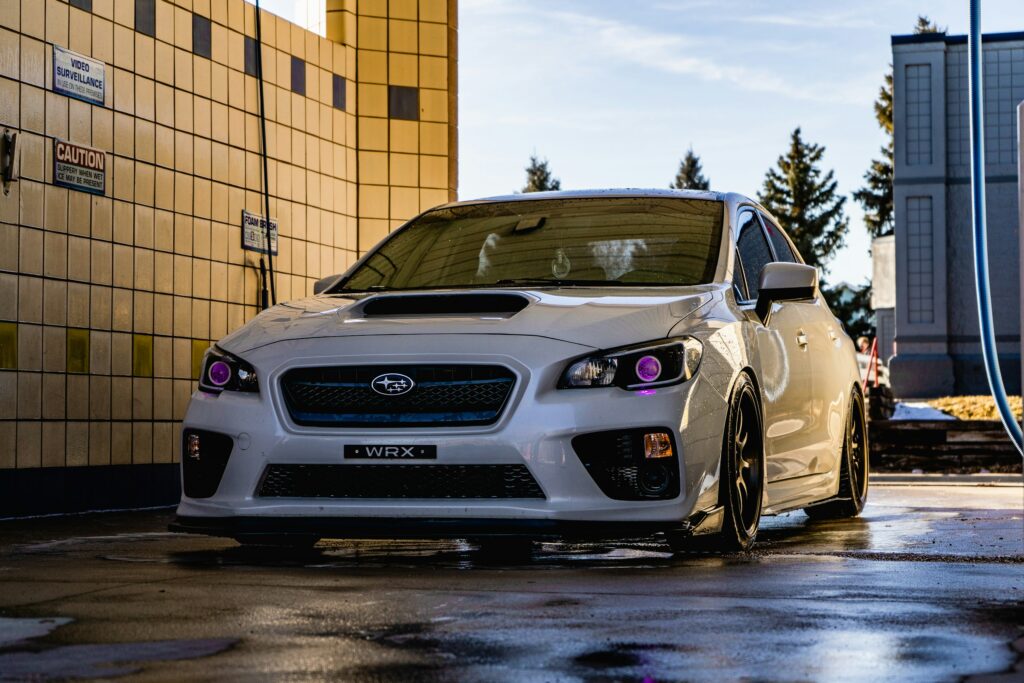
Subaru has long marketed itself as a brand built on reliability, safety, and all-weather performance. However, in recent years, many Subaru owners—especially in Texas—have reported ongoing issues with one critical component: the transmission.
If your Subaru has persistent transmission problems that repairs haven’t fixed, you may be dealing with more than just a mechanical inconvenience—you may have a Texas Lemon Law claim.
This article focuses specifically on Subaru transmission defects, how they relate to Lemon Law protections in Texas, and what you can do if your vehicle qualifies.
Why Transmission Problems Are a Big Deal
Your vehicle’s transmission is essential for safe and reliable operation. When it fails, your entire driving experience—and safety—is compromised.
Subaru’s widespread use of Continuously Variable Transmissions (CVTs) has been the subject of increasing complaints.
Common Subaru Transmission Issues
Many Subaru owners report recurring problems with CVT transmissions, particularly in models like:
- Subaru Outback
- Subaru Forester
- Subaru Crosstrek
- Subaru Legacy
Typical Symptoms Include:
- Jerking or shuddering when accelerating
- Delayed acceleration or hesitation
- Slipping gears or loss of power
- Whining or grinding noises
- Sudden deceleration
These issues can be intermittent, making them difficult for dealerships to diagnose—but that doesn’t mean they aren’t real.
Why Subaru Transmission Issues Often Lead to Lemon Law Claims
Transmission problems are one of the most common reasons vehicles qualify as lemons because they:
1. Affect Use
If your Subaru hesitates, stalls, or won’t accelerate properly, it interferes with normal driving.
2. Affect Safety
Unexpected loss of power or acceleration delays can be dangerous, especially in traffic or highway conditions.
3. Are Often Recurring
Transmission issues frequently return even after repairs, which is a key factor in Lemon Law eligibility.
Understanding the Texas Lemon Law Tests
To qualify under the Texas Lemon Law, your Subaru must meet at least one of the following criteria:
The Four Repair Attempt Rule
If the transmission has been repaired:
- Four or more times
- Within the first 24 months or 24,000 miles
- And the issue still exists
You may qualify.
The Serious Safety Hazard Rule
If your transmission defect:
- Poses a serious safety risk
- Has been repaired twice
- And remains unresolved
This may also qualify.
The 30-Day Rule
If your Subaru has been in the shop for:
- 30 or more total days for transmission repairs
It may meet Lemon Law standards.
Why Dealership Repairs Often Fail
Many Subaru owners are told:
- “We can’t replicate the issue”
- “No codes are showing”
- “It’s operating as designed”
This can be frustrating, especially when the problem continues.
Transmission issues—especially CVT-related—can be inconsistent, which makes them harder to fix permanently.
But here’s the key point:
👉 Repeated failed repair attempts strengthen your Lemon Law case.
What to Do If Your Subaru Has Transmission Problems
If you’re experiencing ongoing transmission issues, take these steps immediately:
1. Bring the Vehicle in for Repairs Every Time
Even if the problem seems minor or intermittent, document it.
Each visit counts toward your Lemon Law claim.
2. Clearly Describe the Problem
Use specific language:
- “Vehicle hesitates when accelerating from stop”
- “Transmission slips at highway speeds”
Avoid vague descriptions like “feels weird.”
3. Keep All Repair Records
Your documentation should include:
- Dates
- Mileage
- Repair descriptions
4. Track Days Out of Service
If your Subaru is in the shop frequently, those days matter.
Can Subaru Deny There’s a Problem?
Yes—and they often do.
Manufacturers may argue:
- The issue is normal for CVT transmissions
- The problem isn’t consistent
- Repairs were successful
However, the Lemon Law focuses on whether the issue persists, not whether Subaru admits fault.
What Compensation Can You Receive?
If your Subaru qualifies as a lemon, you may be entitled to:
1. Buyback (Refund)
Subaru may be required to repurchase your vehicle.
This can include:
- Purchase price
- Taxes and fees
- Monthly payments
Minus a usage deduction.
2. Replacement Vehicle
You may receive a new Subaru of comparable value.
3. Additional Compensation
In some cases:
- Towing costs
- Rental expenses
may also be recoverable.
Why Transmission Cases Are Often Strong
Transmission-related Lemon Law claims are often successful because:
- They involve major mechanical components
- They are well-documented across Subaru models
- They significantly impact drivability
When Should You Contact a Lemon Law Attorney?
You should consider speaking with an attorney if:
- Your Subaru has had multiple transmission repairs
- The problem keeps returning
- The dealership cannot fix the issue
Most Lemon Law attorneys:
- Offer free consultations
- Are paid by the manufacturer if you win
Final Thoughts
Subaru transmission issues—especially those involving CVT systems—can turn an otherwise reliable vehicle into a constant source of frustration.
If your Subaru has undergone multiple repair attempts and still isn’t fixed, you may have a valid claim under the Texas Lemon Law.
The key is recognizing when repeated repairs are no longer a solution—and when it’s time to pursue your legal rights.