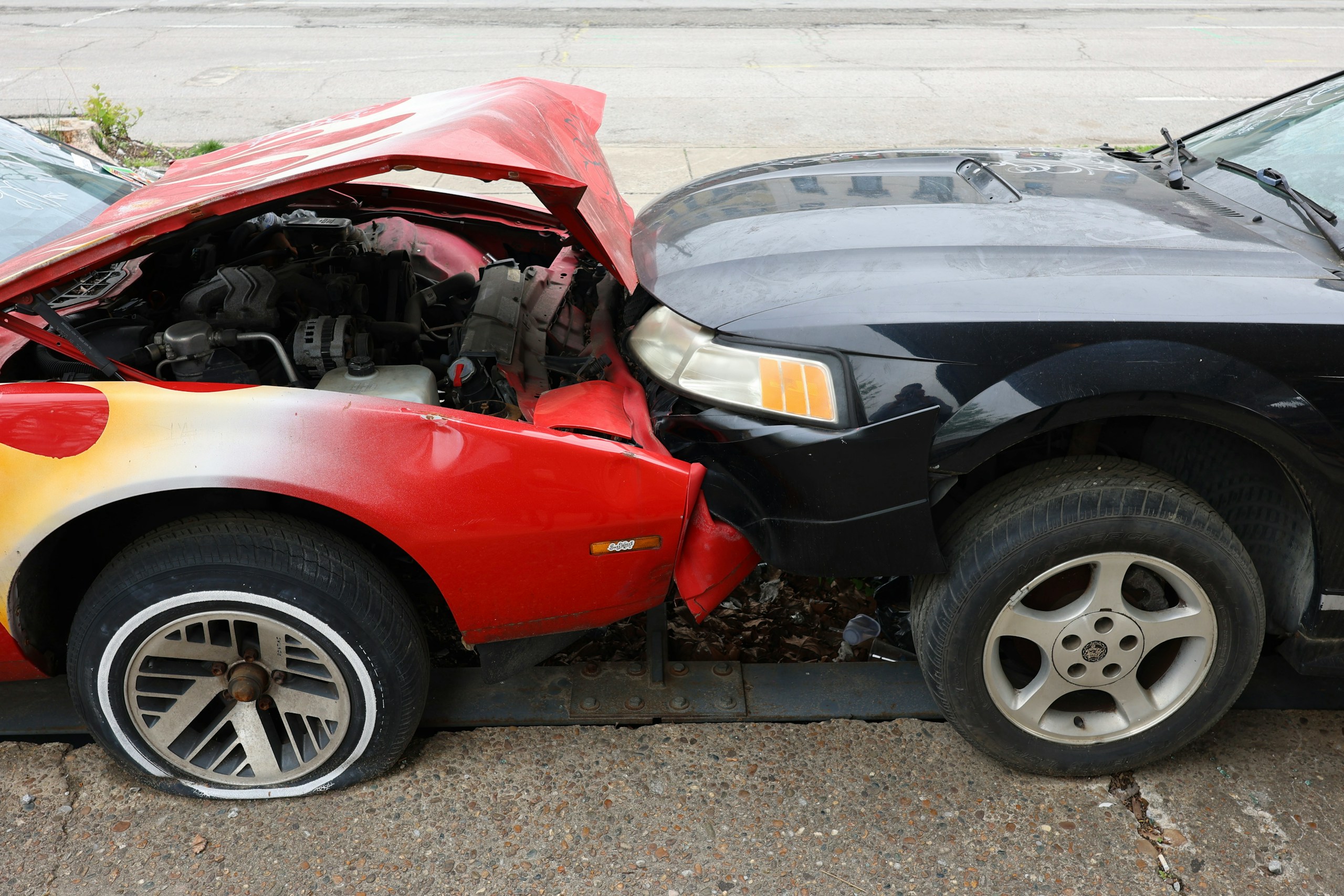
When you purchase a new vehicle, you expect it to be in perfect condition. After all, it’s “new.” But what many consumers don’t realize is that vehicles can be damaged before you ever take possession—during shipping, storage, or while sitting on the dealer’s lot.
This is known as pre-delivery damage, and it’s more common than you might think.
This guide explains how pre-delivery damage happens, how to identify it, and what to do if you discover it after you’ve already driven off the lot.
What Is Pre-Delivery Damage?
Pre-delivery damage refers to any damage that occurs to a vehicle before it is delivered to the buyer, including:
- During transport from the manufacturer
- While unloading from trucks
- While parked on the dealership lot
- During dealer handling or preparation
Dealers may repair this damage before selling the vehicle—but they don’t always disclose it.
Why This Matters
Even if repaired, pre-delivery damage can:
- Reduce the value of the vehicle
- Affect paint quality or structural integrity
- Lead to long-term issues (rust, mismatched panels, etc.)
👉 In some cases, failure to disclose damage may violate consumer protection laws.
Common Types of Pre-Delivery Damage
Cosmetic Damage
- Scratches or swirl marks
- Paint chips
- Dents or dings
Structural or Body Damage
- Misaligned panels
- Frame damage
- Replaced body parts
Paint and Finish Issues
- Overspray
- Color mismatches
- Uneven clear coat
Interior Damage
- Torn upholstery
- Stains
- Damaged trim
How to Spot Pre-Delivery Damage Before You Buy
The best time to catch damage is before you sign anything.
1. Inspect the Vehicle in Good Lighting
Walk around the car in daylight and look for:
- Paint inconsistencies
- Reflections that appear wavy or uneven
- Differences in color between panels
2. Check Panel Gaps and Alignment
Look for:
- Uneven spacing between doors and panels
- Panels that don’t sit flush
👉 These can indicate prior repairs.
3. Look for Overspray
Check around:
- Window edges
- Door seals
- Trim pieces
Overspray is a strong sign of repainting.
4. Inspect Bolts and Hardware
Look under the hood and inside door frames:
- Scratched or chipped bolts may indicate parts were removed or replaced
5. Review the Vehicle History (if available)
While new cars typically don’t have reports like Carfax entries, some damage may still be recorded.
6. Ask Direct Questions
Ask the dealer:
- “Has this vehicle had any damage or repairs?”
- “Has any paintwork been done?”
👉 Get answers in writing if possible.
Dealer Disclosure Obligations
In many states, dealers are required to disclose damage if it exceeds a certain threshold (often based on repair cost or percentage of vehicle value).
Failure to disclose significant damage may constitute:
- Fraud
- Misrepresentation
- Violation of consumer protection laws
What If You Discover Damage After Purchase?
Many buyers only notice issues days or weeks later.
Don’t panic—you may still have options.
Step 1: Document the Damage
Take:
- Photos and videos
- Close-ups and wide angles
- Notes on when you noticed it
Step 2: Review Your Purchase Documents
Look for:
- “As-is” clauses
- Disclosure forms
- Any mention of prior damage
Step 3: Contact the Dealer Immediately
Notify the dealer in writing and:
- Request an explanation
- Ask for repair records
- Demand a resolution
Step 4: Get an Independent Inspection
Have a professional inspect the vehicle to determine:
- Extent of damage
- Whether repairs were done
- Quality of repairs
Step 5: Evaluate Your Legal Options
Depending on the situation, you may have claims for:
- Failure to disclose damage
- Fraud or misrepresentation
- Breach of contract
- State consumer protection violations
Can Pre-Delivery Damage Trigger Lemon Law?
Generally, Lemon Law applies to mechanical defects, not cosmetic issues.
However:
👉 If the damage leads to ongoing problems (e.g., structural issues, water leaks), it may qualify.
What Compensation Might Be Available?
Depending on the facts, you may be entitled to:
- Repair or correction
- Diminished value compensation
- Buyback or rescission
- Monetary damages
Common Dealer Defenses
Dealers may claim:
- The damage was minor
- It was properly repaired
- You accepted the vehicle “as-is”
👉 These defenses don’t always hold up—especially if damage was not disclosed.
How to Protect Yourself Going Forward
- Always inspect the vehicle before signing
- Never rush the process
- Request written confirmation of no damage
- Consider a pre-purchase inspection—even for new cars
Final Thoughts
A “new” car isn’t always as perfect as it seems. Pre-delivery damage happens more often than consumers realize—and it’s not always disclosed.
The key is knowing what to look for and acting quickly if something seems off.
If you discover damage after purchase and believe it wasn’t properly disclosed, you may have legal rights. Speaking with a consumer protection attorney can help you understand your options and pursue the best outcome.