The quick idea
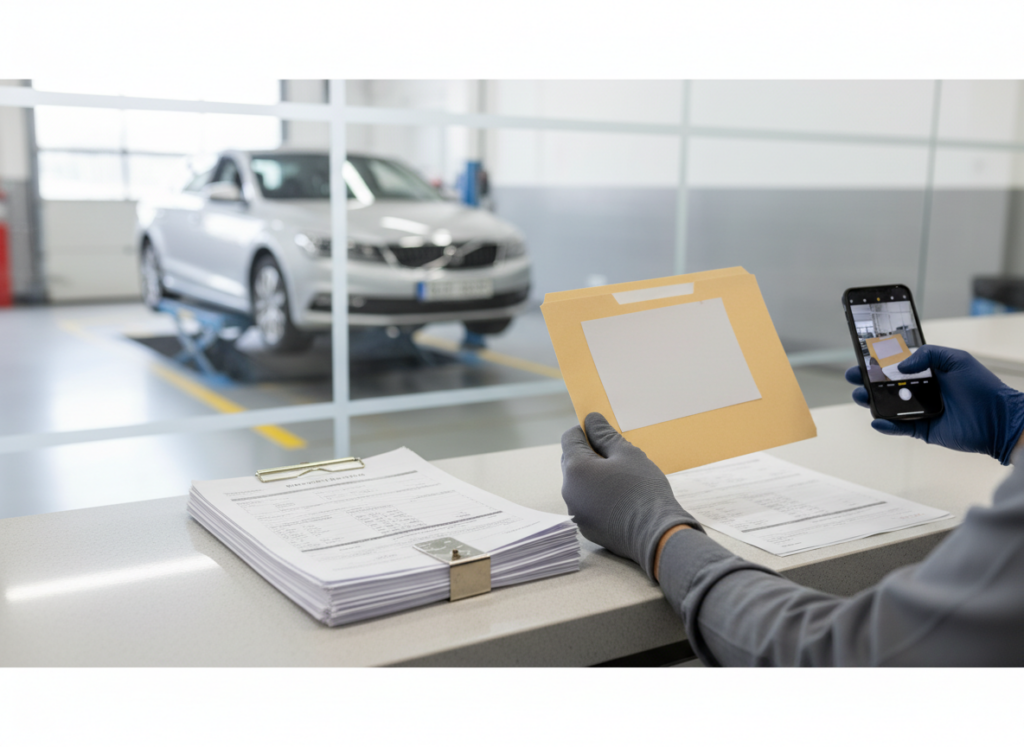
If your car keeps going back to the shop for the same problem, the most important thing you can do is build a clean paper trail—repair orders, dates, mileage, and what the dealer said. Strong documentation often matters as much as the mechanical issue itself.
When repeated repairs become a legal problem (not just an inconvenience)
Most people try to be patient: you bring the vehicle in, they “can’t duplicate,” you pick it up, and the issue comes right back. At some point, it stops being a normal repair experience and starts looking like a warranty breach or a lemon law situation.
While every state’s rules differ, many lemon law and warranty claims focus on themes like:
- Repeated repair attempts for the same defect
- Significant time out of service
- A defect that affects use, value, or safety
- Repairs occurring during the warranty period (or within certain time/mileage limits)
Even if you’re not sure you “qualify,” you can still take steps now that protect you later.
Step 1: Treat every repair visit like it might be Exhibit A
A lot of consumers lose leverage because the paperwork is vague.
What to do at the dealership counter
- Describe the problem in your own words (don’t let them rewrite it into something softer).
- Ask them to include:
- The symptom (e.g., “vehicle stalls at stoplights”)
- When it happens (cold start, highway speed, rain, etc.)
- Any safety impact (loss of power, braking issues, smoke, etc.)
- If they say “could not duplicate,” ask them to note:
- What testing they performed
- Whether they checked for codes
- Whether they performed a road test
What not to do
- Don’t accept a repair order that says only “check engine light” if your real issue is stalling, misfires, or loss of power.
- Don’t rely on verbal promises (“we’ll take care of you”) without written detail.
Step 2: Build a timeline (it’s easier than you think)
Create a simple log. A notes app or spreadsheet works.
Include:
- Date of each repair visit
- Mileage in and mileage out
- Days out of service
- The exact complaint
- The dealer’s diagnosis and repair
- Whether the issue returned (and when)
This timeline helps your attorney quickly evaluate whether the pattern fits your state’s lemon law or a breach-of-warranty claim.
Step 3: Save the “supporting cast” documents
Beyond repair orders, these items can matter:
- Purchase/lease agreement
- Warranty booklet (or warranty terms)
- Finance documents
- Towing receipts
- Rental car receipts
- Photos/videos of the issue (dashboard lights, smoke, leaks, sounds)
- Communications with the dealer or manufacturer (emails, chat logs)
Tip: video is powerful
If the problem is intermittent, a short video showing the symptom and the odometer can be very persuasive.
Step 4: Know the difference between lemon law and warranty claims (in plain English)
These terms get used interchangeably online, but they’re not always the same.
Lemon law (often a “fast lane,” when it applies)
Many states have a lemon law that provides a structured process for certain vehicles and defects within certain time/mileage limits.
Breach of warranty (often broader)
Warranty claims can apply even when lemon law doesn’t, depending on the facts. They may involve:
- The manufacturer failing to repair a covered defect
- A vehicle that doesn’t meet promised standards
Step 5: Watch for common “documentation traps”
Here are patterns we see that can weaken a case:
- You went in multiple times, but the paperwork doesn’t show the same complaint
- The dealer wrote “customer states noise” without details
- You waited a long time between visits, making it look less serious
- You used multiple shops but didn’t keep complete records
None of these automatically kills a claim—but they can create extra work.
A practical checklist: What to do this week
- Make a folder (paper or digital) labeled “Vehicle Repairs.”
- Request copies of every repair order (past and future).
- Start a timeline with dates, mileage, and days out of service.
- Take photos/videos when the issue happens.
- Save receipts for towing, rentals, and related expenses.
- If the problem is safety-related, document that clearly.
Consider a legal review if:
- The same issue has been repaired multiple times
- Your vehicle has been out of service for a meaningful stretch
- The defect affects safety or reliability
- You’re getting “could not duplicate” repeatedly
A quick evaluation can help you understand your options and what documentation you still need.
If you’re dealing with repeated repairs, you don’t have to guess whether it’s “enough” for a claim. Ginsburg Law Group, PC can review your repair history and help you understand whether a lemon law or warranty strategy makes sense based on your state and your documents.