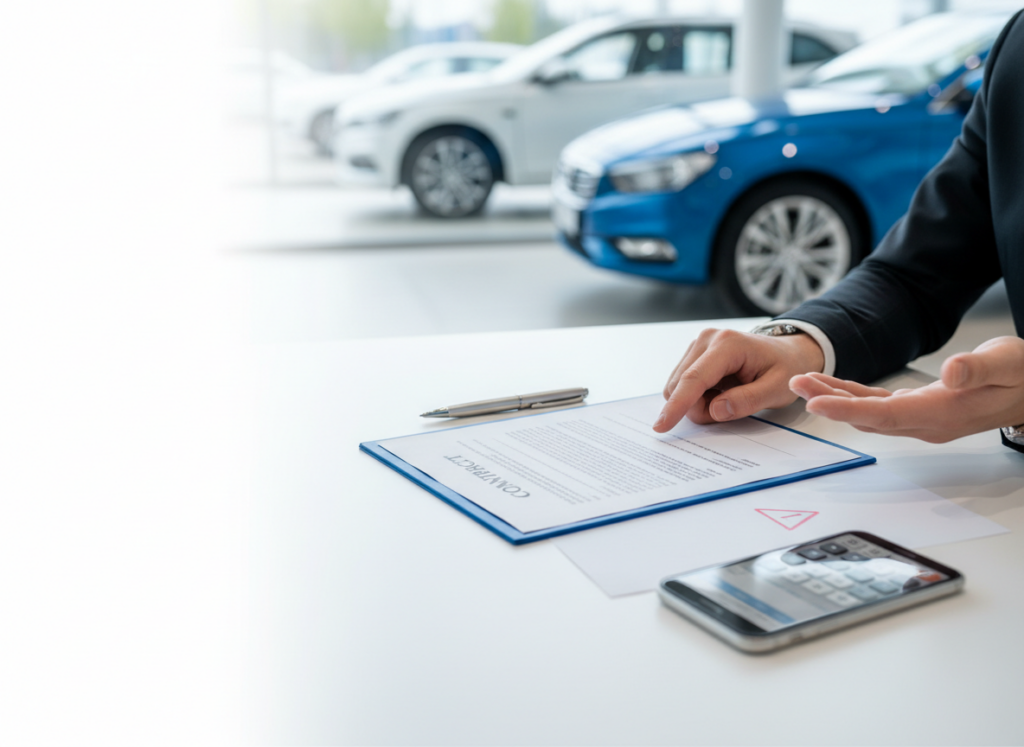
Buying a car should be exciting—not stressful. Unfortunately, some dealerships use deceptive tactics that can cost you time, money, and peace of mind. Here’s how to recognize dealer fraud and what to do if you suspect you’ve been a victim.
What Is Dealer Fraud?
Dealer fraud occurs when a car dealership misrepresents information or withholds facts to trick you into a purchase or lease. This can include lying about a vehicle’s condition, hiding prior accidents, inflating prices, or sneaking in unwanted add-ons.
Common Types of Dealer Fraud
- Odometer rollback (lowering mileage to inflate value)
- Undisclosed damage (not revealing previous accidents/flood damage)
- Bait-and-switch advertising (promising one deal, delivering another)
- Packing contracts (adding unwanted extras like warranties or services)
- Misrepresenting finance terms
Practical Checklist: Protect Yourself
- Get all promises in writing
- Request a copy of the vehicle history report
- Review contracts line-by-line before signing
- Bring a trusted friend or mechanic to inspect the car
- Don’t rush—walk away if pressured
What to Document
- All written communication and advertisements
- Sales contracts and finance agreements
- Vehicle history reports
- Any repair or inspection records
What To Do If You Suspect Fraud
- Gather all documents and communications
- Write down your recollection of events while fresh
- Contact a consumer law attorney for a free case evaluation
If you think you’ve been the victim of dealer fraud, reach out to our team at Ginsburg Law Group for guidance. We’re here to help you protect your rights.