Consumer law can sound like a technical subject. It brings to mind contracts, disclosures, finance charges, and legal fine print. Poverty law sounds different. It suggests housing instability, hunger, public benefits, wage problems, and daily survival.
But in real life, these two worlds overlap constantly.
For millions of Americans, consumer law is poverty law because harmful financial products and abusive business practices hit hardest when money is already tight.
When being poor gets more expensive
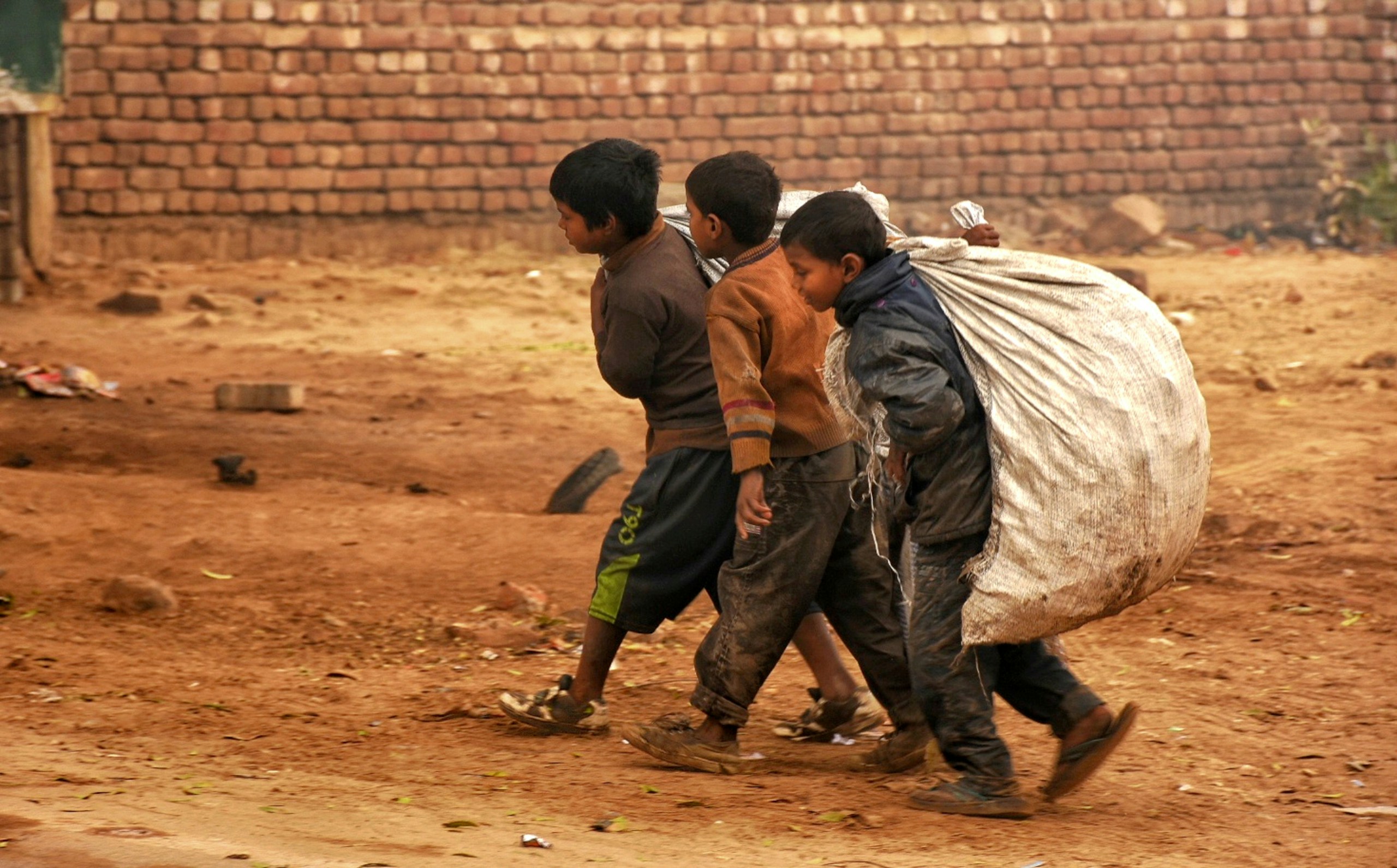
One of the cruelest features of poverty is that it often costs more to be poor.
If you have savings, a damaged tire is a stressful inconvenience. If you do not, it may become a crisis that triggers a payday loan, a missed rent payment, overdraft fees, or job loss because you cannot get to work.
If you have financial breathing room, a medical bill may be negotiable. If you do not, it may lead to collections, damaged credit, and years of debt.
The poorer a consumer is, the less room they have to absorb a mistake, a fee, a delay, or a deceptive product.
That is where consumer law becomes essential.
The marketplace is not neutral
Many financial products are marketed as tools of convenience, access, or flexibility. But some are built around the reality that vulnerable consumers have fewer choices.
Think about:
- Payday loans marketed as emergency relief
- Buy now, pay later products that encourage overspending
- Junk fees buried in ordinary transactions
- Auto loans with abusive terms
- Debt collection practices that rely on fear and confusion
- Credit reporting errors that block access to housing or jobs
These products and practices do not hit everyone equally. They cause the most damage where there is the least margin for error.
Debt often fills the gap poverty creates
Families with low or unstable income frequently use credit to cover everyday necessities. Debt becomes the patch for a system that does not provide enough wages, savings, health coverage, childcare support, or housing stability.
That means consumer debt is often not about luxury spending. It is about survival.
People borrow because:
- Rent is due before payday
- Groceries cannot wait
- A car repair is necessary to keep a job
- Utility shutoff is looming
- A child needs medicine
Once debt enters the picture, the consumer may face interest, fees, collections, lawsuits, and credit damage. Poverty and consumer harm start feeding each other.
Why legal protections matter
Consumer law exists to place limits on abuse in the marketplace. It can address unfair lending, harassment by debt collectors, false credit reporting, deceptive practices, and hidden fees.
Without these protections, vulnerable consumers are even easier targets.
Strong consumer laws matter because they recognize something basic: people are often exploited when they are under stress, short on money, or out of options.
That is not a personal failing. It is a market condition that bad actors know how to use.
Poverty makes “choice” more complicated
A lot of financial discussions assume consumers make free and rational choices. But that idea falls apart when someone is facing eviction, choosing between medicine and food, or trying to keep the lights on.
A person who takes out a high-cost loan to avoid immediate catastrophe may not really have a meaningful choice. They may simply be choosing the least terrible option available in that moment.
That is one reason why consumer law is so important. It recognizes that disclosure alone is not enough if the underlying product is built to exploit desperation.
Everyday examples of the collision
This collision between poverty and consumer law happens everywhere:
- A single late fee triggers overdraft charges
- A debt collector pressures a consumer into a payment they cannot sustain
- A credit report error blocks an apartment application
- A predatory lender targets someone with no savings
- A family uses credit cards for groceries, then drowns in interest
- A utility or phone contract buries consumers in fees they did not anticipate
None of this is abstract. It shapes daily life.
Why this should matter to everyone
Some people hear “poverty law” and assume it concerns only a small segment of the population. But financial vulnerability is far more widespread than many realize. A job loss, illness, divorce, natural disaster, or inflation spike can push ordinary households into fragile territory very quickly.
That means consumer law is not just for the poorest among us. It is a protection framework for anyone who could ever find themselves vulnerable in the marketplace.
Which is to say: almost everyone.
The bottom line
Poverty and consumer law collide in everyday life because the people with the fewest resources are often the ones most exposed to abusive financial practices.
When a family has no cushion, even a small unfair charge or bad loan can cause lasting damage. That is why consumer protection is not a side issue. It is a core part of economic justice.
A marketplace that works only for people with money is not really fair at all.