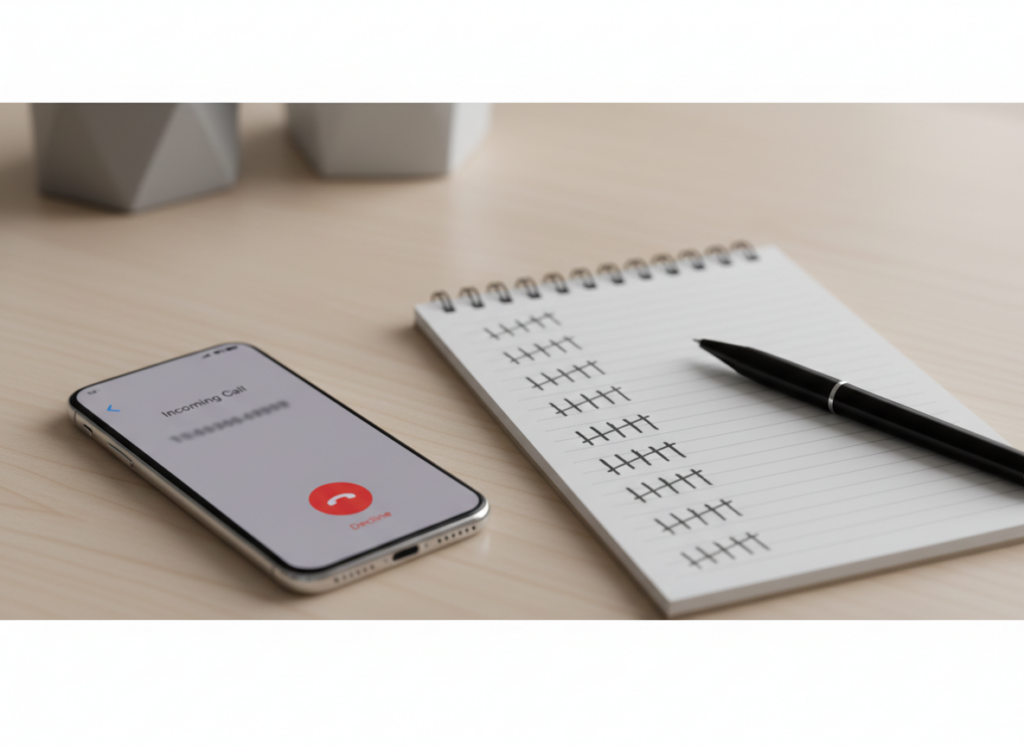
If you’ve ever received repeated unwanted marketing texts, you’ve probably tried the obvious solution: replying “STOP.”
Most people assume that once you reply STOP, the messages should end immediately.
But what if they don’t?
What if the company keeps texting you anyway?
If you replied STOP and they continue sending messages, it may be more than just annoying — it could be illegal under federal law.
What Law Covers Unwanted Text Messages?
Unwanted robocalls and text messages are often governed by the Telephone Consumer Protection Act (TCPA) — a federal law designed to protect consumers from spam calls, robocalls, and automated marketing texts.
The TCPA restricts businesses from sending certain types of text messages without proper consent, and it also requires companies to honor opt-out requests.
That means if you tell them to stop, they are legally expected to stop.
If I Reply “STOP,” Are They Required to Stop Texting?
In many cases, yes.
Replying STOP is considered a clear revocation of consent.
Once you revoke consent, the company should not continue sending marketing texts to that number. If they do, it may be a violation of the TCPA.
This is especially true when the texts are:
- Automated
- Sent using an autodialer system
- Part of a mass marketing campaign
- Promotional in nature
How Many Texts After “STOP” Are Allowed?
Businesses are often permitted to send one final confirmation text, such as:
“You have been unsubscribed.”
But after that, the messages should end.
If they continue texting you repeatedly after your opt-out request, that is often a red flag — and potentially evidence of a TCPA violation.
What If They Text Me Again Days or Weeks Later?
That can still be a problem.
Companies cannot ignore your opt-out request simply because time has passed.
If you clearly revoked consent by replying STOP, they generally cannot resume marketing texts unless you later re-consented.
Does It Matter What Kind of Texts They Are?
Yes. Not all texts are treated the same.
A TCPA claim is most often based on marketing or promotional messages, such as:
- Sales offers
- Coupons
- Advertisements
- Appointment promotions
- Subscription offers
- Debt relief or credit repair promotions
- Real estate solicitations
- Auto warranty spam texts
However, even some “informational” texts may violate the law depending on the circumstances — especially if they are part of a campaign or sent without permission.
What If I Never Signed Up for Texts in the First Place?
Even stronger case.
If you never consented at all, the company may already be violating the TCPA by sending the messages — and continuing after STOP makes it worse.
Many companies claim you “opted in” through a website form, small print disclosure, or third-party lead list. Sometimes that claim is legitimate — but many times it is not.
What If I Didn’t Reply Exactly “STOP”?
The TCPA and related regulations generally require businesses to honor reasonable opt-out requests.
So if you replied with something like:
- “Stop texting me”
- “Unsubscribe”
- “Remove me”
- “Don’t text me again”
- “Please stop”
…that may still count as revoking consent.
Some companies intentionally pretend they only recognize the word STOP, but consumers are not required to use magic words in order to assert their rights.
What Should I Do If They Keep Texting?
If you replied STOP and they continue texting, take these steps:
1. Save the Messages
Do not delete them. Screenshots are helpful.
2. Take a Screenshot of Your STOP Reply
Make sure it clearly shows:
- The date
- The number
- Your STOP message
- Their continued texts afterward
3. Don’t Engage Further
You don’t need to keep arguing with them.
4. Write Down the Timeline
How many texts? How often? How long has it been going on?
The more documentation you have, the stronger your case may be.
What Can I Recover Under the TCPA?
The TCPA allows consumers to recover statutory damages, which often include:
- $500 per unlawful text
- Up to $1,500 per text if the violation is found to be willful or knowing
That means repeated texts after STOP can add up quickly.
For example, 10 illegal texts could potentially mean thousands of dollars in damages.
Are Debt Collectors Covered Too?
Yes — in many situations.
Debt collectors may violate the TCPA if they use automated systems or repeatedly text without proper consent. They may also violate other laws such as the Fair Debt Collection Practices Act (FDCPA) depending on the content of the messages and the behavior involved.
Final Thoughts: “STOP” Should Mean STOP
Consumers should not have to beg companies to stop spamming them.
If you clearly told a business to stop texting you and they ignored your request, you may have a valid TCPA claim.
These laws exist for a reason — and companies that ignore opt-out requests can be held accountable.
If You’re Receiving Repeated Text Messages After Replying STOP, You May Have Legal Rights
If you’re dealing with unwanted marketing texts, robocalls, or spam messages, it’s worth speaking with a consumer protection attorney. In many TCPA cases, you may be entitled to compensation — and you may not owe anything out of pocket to pursue the claim.